iPhone Air launch delay: The reasons behind it revealed
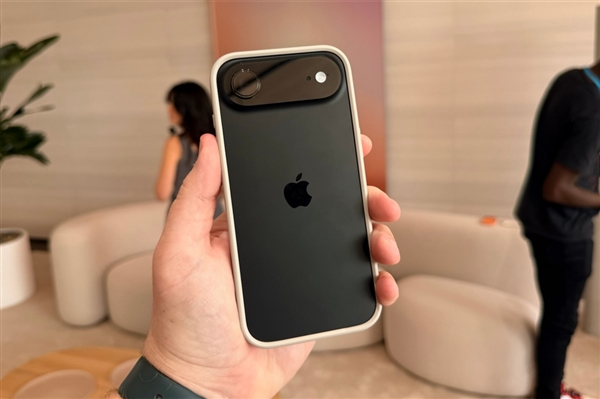
The three models of the iPhone 17 series, iPhone 17, iPhone 17 Pro and iPhone 17 Pro Max, which were released in the early morning of September 10, were quickly sold out after pre-orders started on September 12. The first batch of shipments has been postponed to mid-October. However, the iPhone Air, which is positioned as a lightweight flagship, was unexpectedly announced to be postponed.
Apple China’s official website shows that the information that the model was originally scheduled to go on sale on September 19 has been updated to “release information will be updated later”, and the specific launch time is to be determined.
Apple officially explained in a statement that the new iPhone Air is awaiting regulatory approval, and that they are working closely with relevant authorities to launch it in China as soon as possible. This statement echoes previous reports from bloggers that Apple was overly conservative in its market outlook for the iPhone Air, with initial inventory only accounting for 10% of total production, insufficient to support a simultaneous launch.
In comparison, the iPhone 17 accounted for 25%, the iPhone 17 Pro accounted for 25%, and the iPhone 17 Pro Max accounted for 40%. This misjudgment resulted in it being difficult to meet market demand in the short term even if regulatory approval was obtained. Therefore, the delay of the iPhone Air was the result of the dual factors of “insufficient inventory” and “eSIM adaptation.”
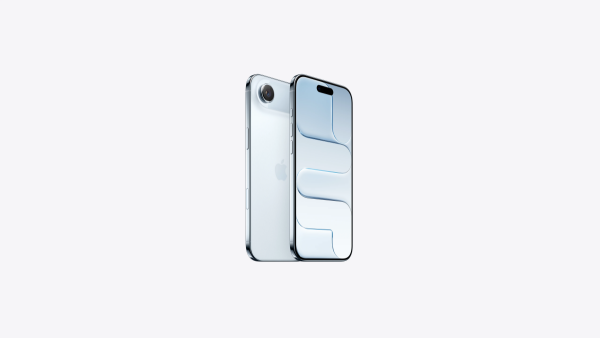
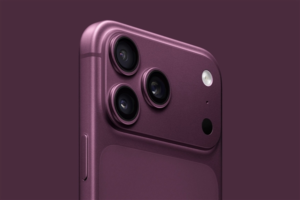
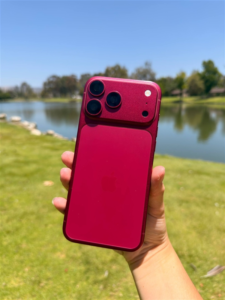
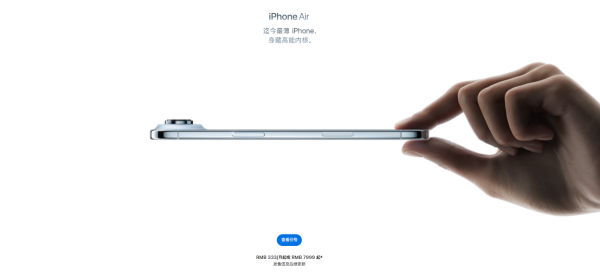
As Apple’s thinnest iPhone ever, iPhone Air is only 5.6mm thick and weighs 165g. It uses an aviation-grade aluminum alloy frame and second-generation super-ceramic glass, with scratch resistance increased by 3 times; the 6.5-inch OLED screen is equipped with a 120Hz adaptive refresh rate and a peak brightness of 2000nit, balancing display effects and power consumption.
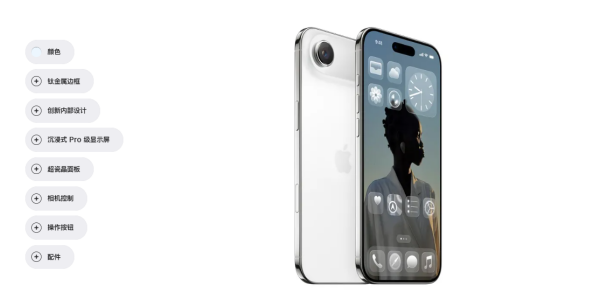
In terms of performance, it uses the same A19 Pro chip as the Pro series, which supports a neural network engine to accelerate AI tasks; the imaging system uses a 48-megapixel fusion main camera, which achieves a 2x optical zoom effect through pixel aggregation technology, and cooperates with the Center Stage function of the 18-megapixel front camera to automatically track the portrait and center the composition; although the battery is the smallest in the entire series, the silicon anode technology enables its video playback time to reach 27 hours, and supports 20W wired fast charging and 20W MagSafe wireless charging.
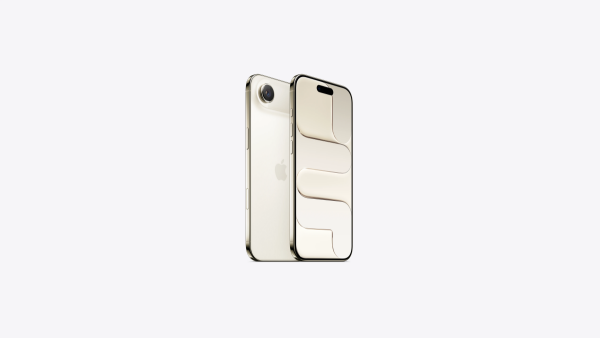
It’s worth noting that the iPhone Air only supports eSIM activation, requiring users to visit their carrier’s offline sales office to complete the process. Apple’s official website specifically states: “Models sold in China only support domestic eSIM service. Specific plans must be confirmed with the carrier.” This means that even after launch, the user experience will still be limited by the carrier’s service availability.
The industry expects that if the eSIM approval is successful, iPhone Air may start pre-sale in mid-to-late October, but insufficient stock may lead to tight supply during the first sales period.

Kazam is Focused on creating and reporting timely content in technology with a special focus on mobile phone technology. Kazam reports, analyzes, and reviews recent trends, news and rumors in mobile phone technology and provides the best possible insights to enhance your experience and knowledge.