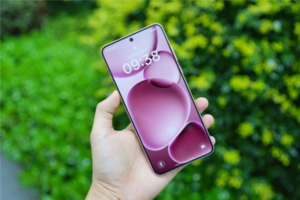
Huawei Mate 80 RS Hands-on Review: Stunning Real-World Experience with Superior Texture
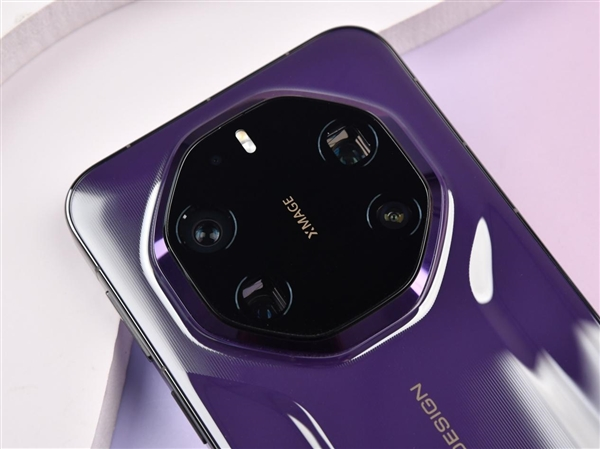
At the recently concluded Huawei product launch event, Huawei officially launched the Mate 80 series and Mate X7, among other new phones. I also got my hands on the brand-new Huawei Mate 80 RS Master Edition in advance. To be honest, it truly lives up to its Master Edition name; both the build quality and the overall look and feel are unlike anything I’ve experienced before.
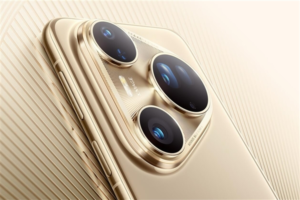
From the moment I unpacked it, my attention was immediately drawn to the back. The lens module is undoubtedly the most recognizable design of the entire device. The new octagonal Deco is not only more three-dimensional , but the sharp lines give it a strong sculptural feel. The edge transition is extremely delicate, with the highlights and matte areas interspersed, which is both powerful and avoids visual abruptness.
Holding it in your hand, the second-largest Kunlun glass on the back panel feels warm and smooth to the touch, combined with the rounded corners of the high-gloss titanium right-angle frame. The whole device fits naturally in your palm, with the weight that a super flagship should have, yet without any noticeable heaviness.
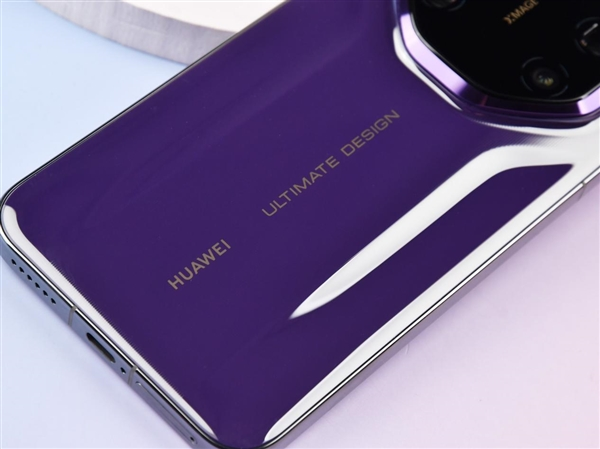
The back cover is slightly raised in the middle, with strong lines and a natural transition, which not only enhances the visual layering but also fits the curvature of the hand.
The “ULTIMATEDESIGN” logo is printed above the raised area. The font is simple and consistent with the overall design style. It is not eye-catching but is recognizable.
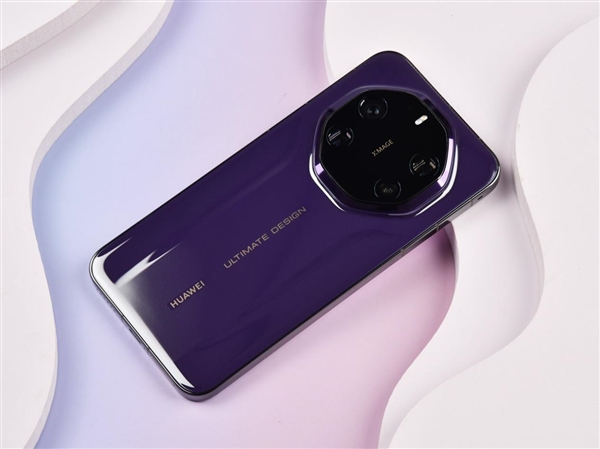
The Huawei Mate 80 RS Master comes in three colors: Black, White, and Purple. The one I have is the Purple version. This “purple” is more understated and sophisticated than I expected, with a deeper tone that is pleasing to the eye and easy on the eyes. The overall build quality is solid, without any flashy visual impact, instead exuding a restrained elegance. Considering the target user group of this model, I personally think Purple will be a popular choice.
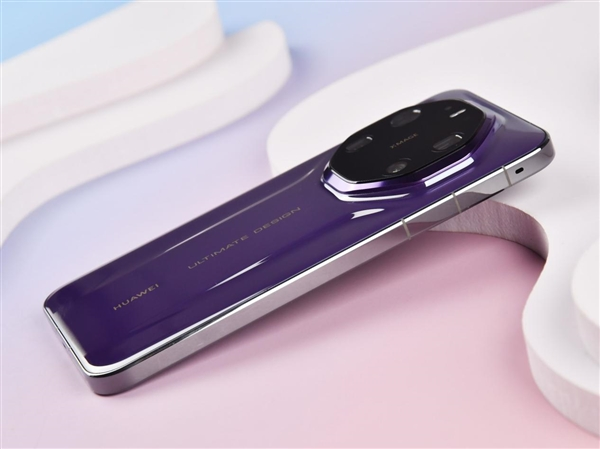
As for the mid-frame, the straight edges are actually more comfortable to hold than expected. It’s not the kind of completely sharp industrial straight edge, but rather has a subtle rounded transition at the edge junction. It doesn’t feel uncomfortable in the hand, nor does it feel cramped due to the narrow bezel. When watching videos or browsing social media for extended periods, the mid-frame fits naturally in the palm, and the overall grip experience is quite comfortable.
To be honest, the Huawei Mate 80 RS Master doesn’t initially give off a flashy vibe; it leans towards a restrained approach. But the more you handle it, the more you realize how meticulous the materials, lines, and proportions are. It’s the kind of phone that, without needing to be shown off, you can feel its distinct high-end quality just by holding it yourself.

I was pleasantly surprised when the front screen lit up. The launch event mentioned it uses a dual-layer OLED with a peak brightness exceeding 8000 nits, and I was curious to see how bright it would actually be in everyday use.
After actually using it, I found that the screen’s brightness performance is indeed outstanding—even when manually adjusted to the highest brightness, it is significantly higher than that of ordinary mobile phones, resulting in a clearer and more transparent viewing experience. Especially when reading messages or taking photos under the sun, you can still see the content clearly without deliberately blocking the light.
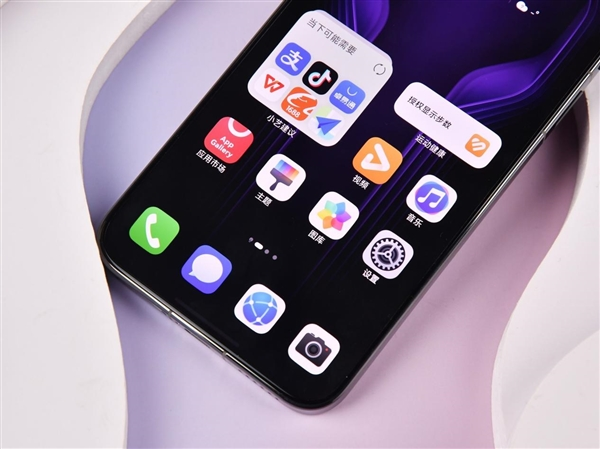
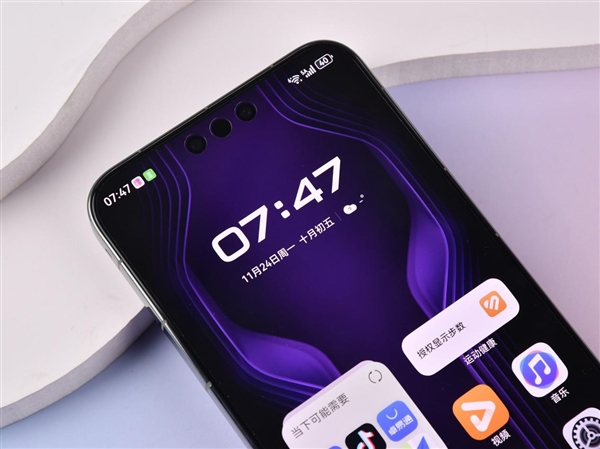
In addition, the screen bezels are well controlled, especially against dark backgrounds, where the transitions on all four sides look clean and crisp. The top features a triple-hole design, housing two front-facing cameras and a 3D structured light lens, continuing the iconic layout of the Mate series.
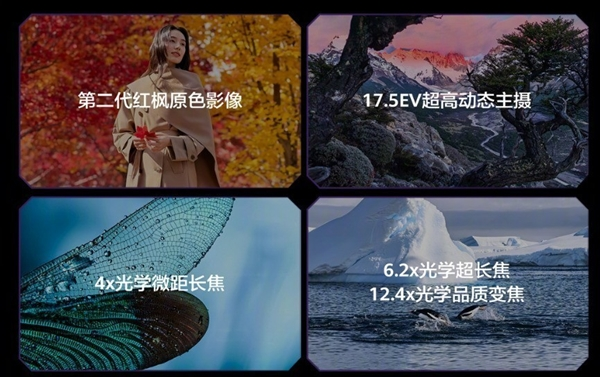
Due to time constraints, this hands-on review primarily focuses on the exterior design; the imaging capabilities, performance, and system experience have not yet been thoroughly explored. However, based on the information released at the launch event, its imaging prowess is undeniable, and its hardware specifications reach the top level in the series.
In addition, this generation brings a number of new technologies and features, such as the second-generation red maple primary color lens, dynamic panning, cinematic effects, slow-motion video, AI-assisted composition, 4X optical macro telephoto, and a brand-new personalized color chart. We will provide a detailed experience and introduction of these features later.
HarmonyOS 6’s smoothness is impressive, especially when switching between background applications. The system’s slack in multitasking is noticeable. Most applications require almost no reloading when switched back from the background, and even heavy tasks like editing videos, browsing large files, or processing photos maintain a sufficiently smooth overall experience.
Finally, let’s make a brief summary:
The Huawei Mate 80 RS Master Edition continues the series’ consistent design language, with a familiar overall silhouette but some adjustments in details. The camera module has a stronger three-dimensional feel, and the back cover uses second-generation Kunlun glass, which is delicate to the touch and also more durable; the straight-edge frame retains its tough lines while the edges are subtly transitioned; the front screen bezels are well controlled, making the visual appearance more neat.
Overall, these changes are understated yet continue the “Master of the Extraordinary” series’ consistent commitment to craftsmanship and detail. As a super flagship, it conveys solid materials and exquisite workmanship with restrained expression, maintaining the series’ definition of a high-end experience in terms of weight, texture, and aesthetic appeal.

Kazam is Focused on creating and reporting timely content in technology with a special focus on mobile phone technology. Kazam reports, analyzes, and reviews recent trends, news and rumors in mobile phone technology and provides the best possible insights to enhance your experience and knowledge.