OmniVision Introduces High-End 200MP Image Sensor, the OVB0D
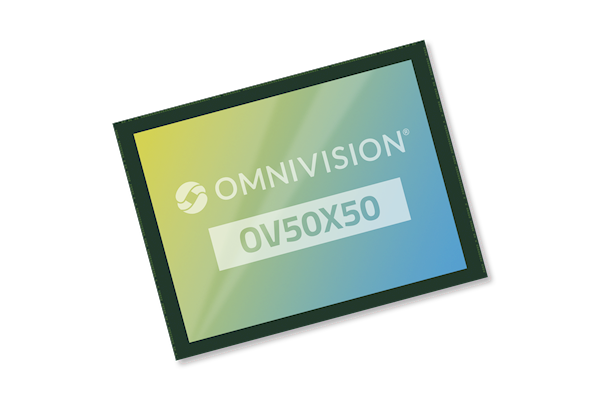
OmniVision is developing a powerful new 200 megapixel camera sensor that will be featured in next generation flagship smartphones. This sensor is expected to compete directly with Sony’s recently unveiled LYTIA 901 providing premium performance and advanced imaging capabilities for future devices.
According to reports from Korean media, the OmniVision OVB0D is a 200 megapixel image sensor with a 1/1.1 inch size, making it slightly larger than the 1/1.12 inch LYTIA 901 sensor. Like many modern sensors, it uses a Bayer filter to record color. However, its dual on-chip re-mosaic arrangement differs from the LYTIA 901, which uses a more complicated QQBC system.
Technically speaking and while we are speculating due to the limited available information, Sony’s sensor might have a small advantage in capturing fine detail. This possible benefit come from its more advanced Quad-Quad Bayer Coding (QQBC) design which is more complex and capable of producing sharper and more detailed images.
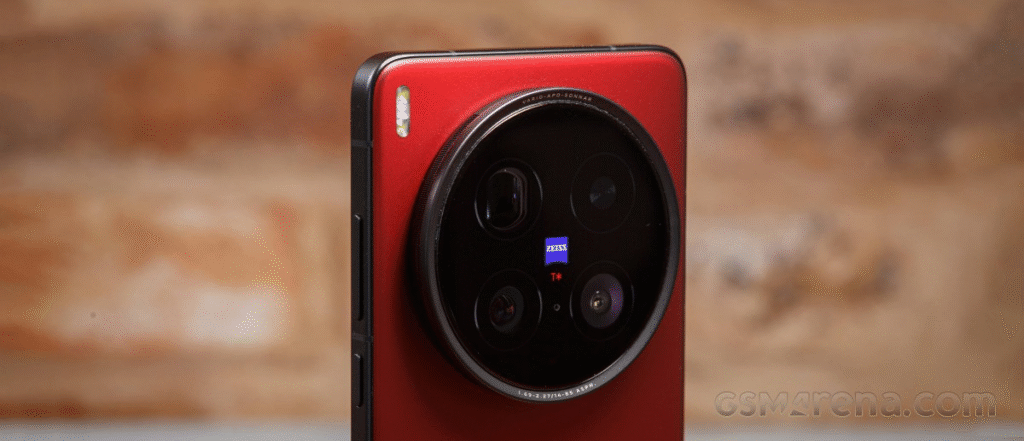
The OmniVision OVB0D features a very high full well capacity of 400,000 electrons and a wide dynamic range, allowing it capable of capturing a lot of detail even in bright or dark areas. The sensor uses DCG technology along with LOFIC Gen 2 for multi frame HDR processing. These technologies allow the sensor to manage extreme HDR conditions much better than standard sensors. With LOFIC Gen 2 and a dynamic range of 108dB, the sensor is also expected to perform very well in scenes with mixed lighting.
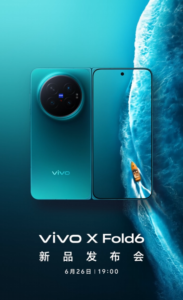
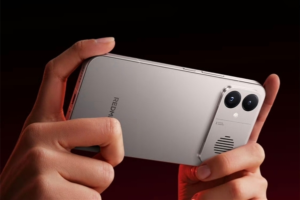
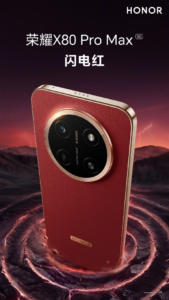
According to well-known tipster Iceuniverse, the OmniVision OVB0D sensor is expected to appear in flagship smartphones from brands such as vivo, Oppo, Xiaomi and Honor in 2026.
According to the source, Samsung is not expected to adopt the new larger 200 megapixel sensors from Sony or OmniVision. The main reasons are the higher costs of production and lower profitability associated with these bigger sensors. Instead, Samsung is expected to stick with a smaller 200MP sensor with a 1/1.3-inch size, which is similar to the HP2 sensor it currently uses in its devices.