Huawei Kirin 9030 Pro boasts a 42% performance improvement: What level does it rank on the world stage?
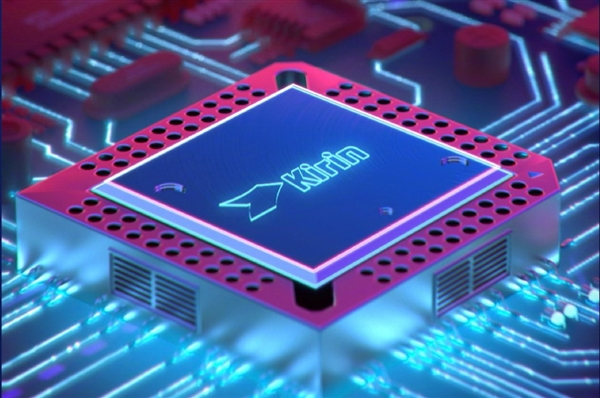
Along with the release of the Huawei Mate 80 series, the Kirin 9030 series (including the Kirin 9030 and Kirin 9030 Pro) has also emerged.
Although specific process architecture and detailed specifications are still lacking, we speculate that the Kirin 9030 will most likely continue with the 7nm process, making “core architecture improvements and continuing the process” based on the Kirin 9020, taking small steps and moving quickly.
In terms of performance, according to Huawei’s official statement, the Kirin 9030 chip paired with HarmonyOS 6 improves the overall performance of the device by 35% compared to the Kirin 9020 paired with HarmonyOS 4.3 ; the Kirin 9030 Pro chip paired with HarmonyOS 6 improves the performance by 42% compared to the latter.
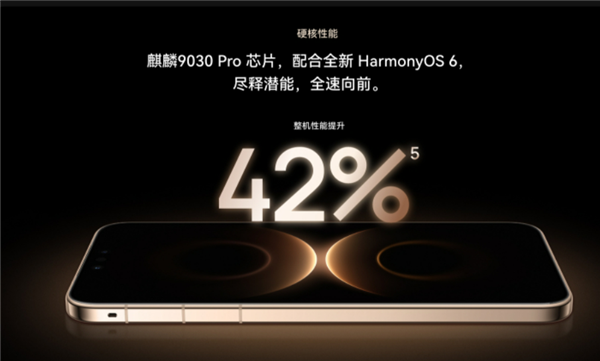
While the generational gap in the HarmonyOS system is a factor, it is certain that Huawei’s hardware optimization strategy has reached the pinnacle of current technology.
So, how does the Kirin 9030 series compare globally?
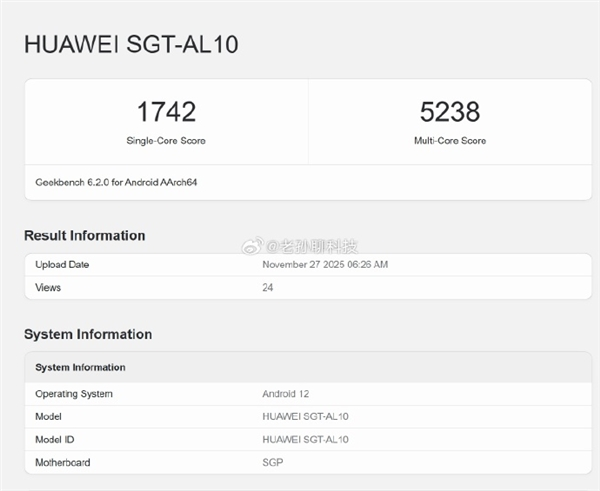
A blogger shared a set of Geekbench 6 scores for the Kirin 9030 Pro. The single-core score was 1742, and the multi-core score was 5238.
It’s worth mentioning that since it doesn’t support installing Geekbench 6, it can only be benchmarked using Zhuoyitong, resulting in a performance loss of about 10%.
If the score is increased by 10%, the single-core score will approach 2000 points, and the multi-core score will approach 6000 points.
If this conversion is accurate, the Kirin 9030 Pro’s performance has reached the level of the Snapdragon 8 Gen2, which was released at the end of 2022. This means there’s a three-year gap between Kirin’s most powerful processor and Qualcomm’s most powerful processor.
In addition, some reports suggest that Huawei’s mobile phone processors are stuck at the 7nm process, lagging behind its competitors by three generations.
Industry insiders point out that although Huawei is improving chip performance by significantly enhancing design and manufacturing processes, there is still a technological gap of about three years compared to the APs designed by Qualcomm and Apple.

Kazam is Focused on creating and reporting timely content in technology with a special focus on mobile phone technology. Kazam reports, analyzes, and reviews recent trends, news and rumors in mobile phone technology and provides the best possible insights to enhance your experience and knowledge.