Apple investigates iPhone 17 Pro discoloration issue: Problem models recalled
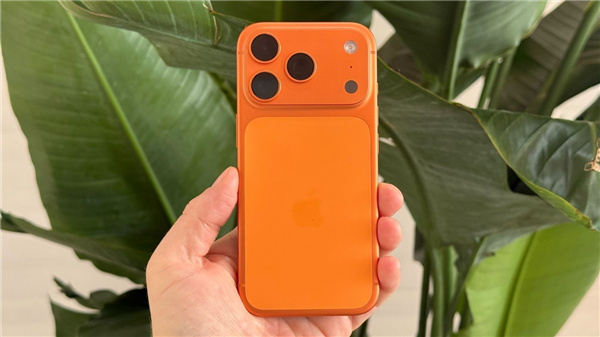
This year’s iPhone 17 Pro series has added Starry Orange, which is one of Apple’s most recognizable color schemes in recent years.
Recently, some users reported that their iPhone 17 Pro’s starry orange color gradually turned pink, sparking heated discussions. Some netizens believed that the color change of the phone was caused by improper cleaning, but the truth is not as simple as imagined.
To understand what went wrong with Apple’s orange iPhone, you first need to understand how the color was made, which involves a complex process.
First, Apple abandoned the titanium body of the iPhone 16 Pro series and switched to aluminum alloy. This adjustment not only makes the phone lighter, but also improves heat dissipation performance. However, aluminum alloy cannot be colored using traditional spray painting technology and ensure durability, so Apple took a different approach and used aluminum alloy anodizing technology to achieve the coloring effect.
The first step in the anodizing process is “cleaning”: using a mild, non-corrosive solution to remove residual grease and fingerprints from the body processing. This step is crucial. Only by ensuring that the aluminum alloy surface is clean can we proceed to the next step – etching.
The etching process removes surface imperfections and naturally formed oxide layers from aluminum alloys, usually through alkaline immersion and spraying, ultimately leaving the metal surface smooth and uniform.
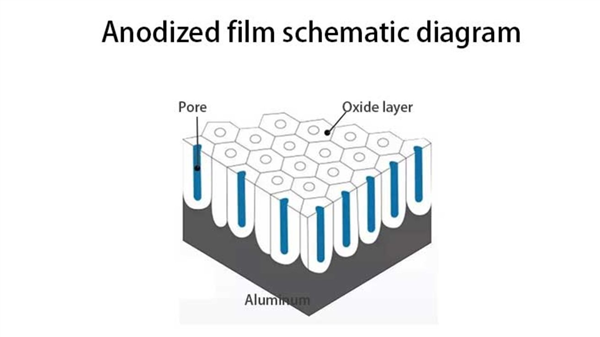
Next is the “anodization” step: immersing the aluminum alloy body in an electrolyte and connecting it to the anode. The current will push oxygen ions to adhere to the metal surface, forming a porous aluminum oxide layer.
This porous structure is the key to coloring and is also the core step for Apple to achieve the Starry Orange color scheme. At this time, the oxide layer on the surface of the aluminum alloy is like a sponge, which can perfectly absorb the dye and finally present the orange we see.
At this point, the aluminum alloy body has basically been dyed orange, but the final step of “sealing the holes” is crucial. The body must be sealed. Sealing the holes is a complex chemical and physical process, which will only be briefly explained here. This step will close the “sponge-like” surface of the aluminum alloy, locking the color inside and isolating it from external impurities. The reason why some iPhone 17 Pros have faded is likely due to problems in this step.
Sealing the metal body of the iPhone 17 Pro is key to ensuring the durability of the color scheme. If the sealing process is not in place, the porous oxide layer will be completely exposed and easily eroded by various factors in daily life.
To make matters worse, the porous alumina structure is highly absorbent, meaning anything that comes into contact with it—whether it’s air, hand oils, or even the clutter in your pocket—can affect the color of the device. Liquids like water and grease that seep into the pores can cause color shifts or fading, and can also weaken the corrosion-resistant coating that protects the device’s exterior.
There are several possible reasons for improper sealing during the anodizing process: For example, incorrect sealing solution composition can lead to uneven color and patchy appearance; chemical contamination during the sealing process can prevent some pores from closing, causing discoloration; or even completely unsealed iPhones can absorb substances like grease. It’s worth noting that even if you’re not using an oxidizing agent like hydrogen peroxide, anything used to clean your iPhone can cause discoloration.
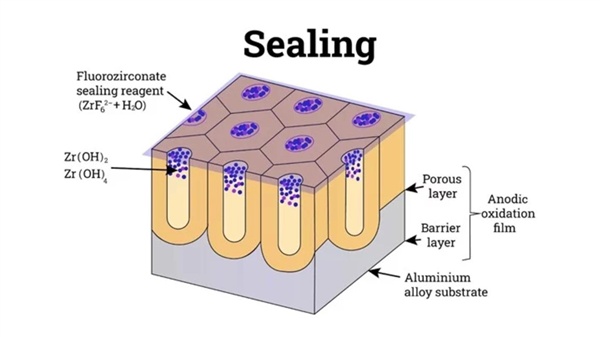
Sunlight exposure is also a major contributing factor: even brief exposure to sunlight can cause discoloration on unsealed anodized surfaces. Failed or poorly sealed surfaces can lead to corrosion, wear, and cosmetic degradation, mirroring the issues we’ve seen with some Star Orange iPhones. If Apple’s sealing process is flawed, even the slightest flaw, users will be unable to prevent the discoloration.
Several materials engineers agree: the problem is more likely due to the sealing process, and sunlight exacerbates the discoloration. Apple is aware of the issue: affected users have successfully received replacements. Apple is also investigating the issue to determine the root cause and scope of the problem.
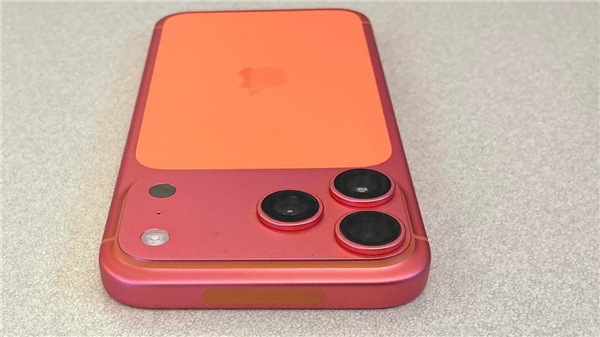
According to multiple sources within Apple’s service chain, the discolored iPhones were recycled and sent back to the engineering team for evaluation, but the subsequent handling remains unclear and the specific plan will depend on the root cause of the problem.
At present, this problem only affects some models, otherwise there would be more than a few exposed cases. If you like the star orange color, you can rest assured to buy an iPhone 17 Pro or Pro Max, and there is a high probability that you will not encounter similar problems. Even if you are unfortunately affected, Apple will provide a replacement service.

Kazam is Focused on creating and reporting timely content in technology with a special focus on mobile phone technology. Kazam reports, analyzes, and reviews recent trends, news and rumors in mobile phone technology and provides the best possible insights to enhance your experience and knowledge.