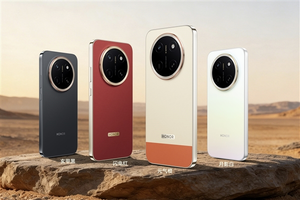
Huawei Mate 90 Air Unboxing: As thin as the iPhone Air, yet with a battery far exceeding Apple’s.
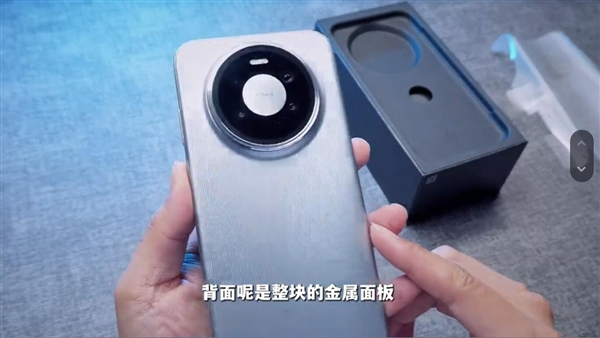
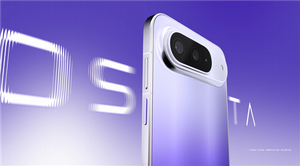
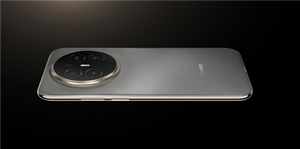
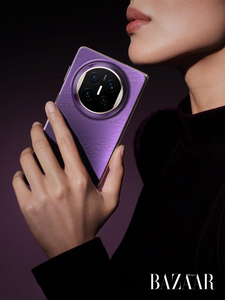
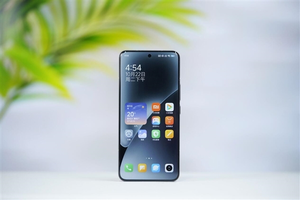
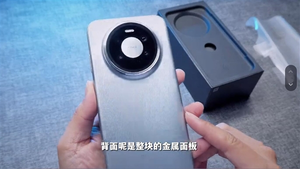
Fast Technology reported that a digital blogger has provided an unboxing and hands-on review of the Huawei Mate 90 Air. In terms of appearance, the new phone continues the Mate family’s signature circular camera module; however, compared to the Mate 90 Pro Max, its rear camera module is significantly smaller, resulting in a cleaner overall design.
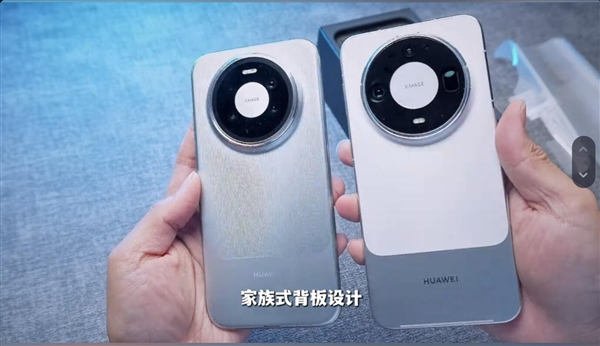
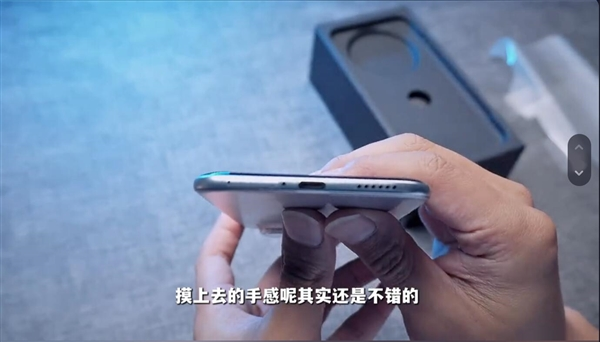
The back of the device also features a spliced design, paired with a curved frame, which reduces the discomfort from the edges and improves the comfort of daily holding.
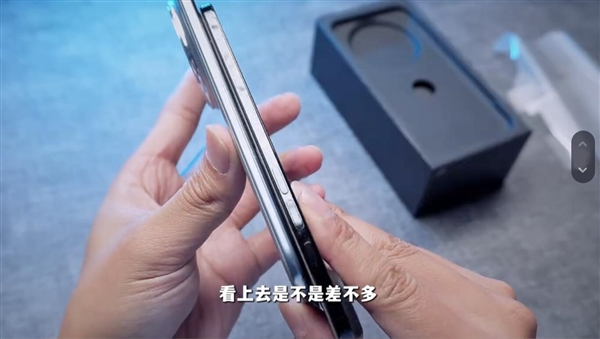
Reportedly, the biggest highlight of the Huawei Mate 90 Air is that it maintains a slim and lightweight body while also boasting a large-capacity battery. The phone’s thickness is very similar to the Apple iPhone Air, but its battery capacity exceeds 6000mAh.
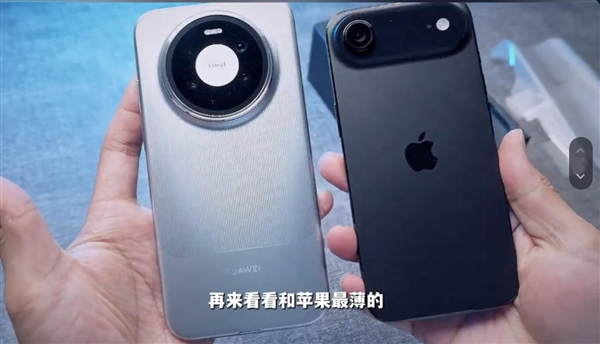
In comparison, the iPhone Air has a battery capacity of only 3149mAh. This means that the Huawei Mate 90 Air, with a similar body thickness, has a battery capacity nearly twice that of the Apple, demonstrating a higher level of battery stacking capability.
In terms of imaging, the Huawei Mate 90 Air did not significantly reduce its configuration in pursuit of a thinner and lighter design. In addition to the main camera, the new phone is also equipped with a red maple primary color lens, which can capture richer color information and improve color reproduction performance under complex lighting conditions.
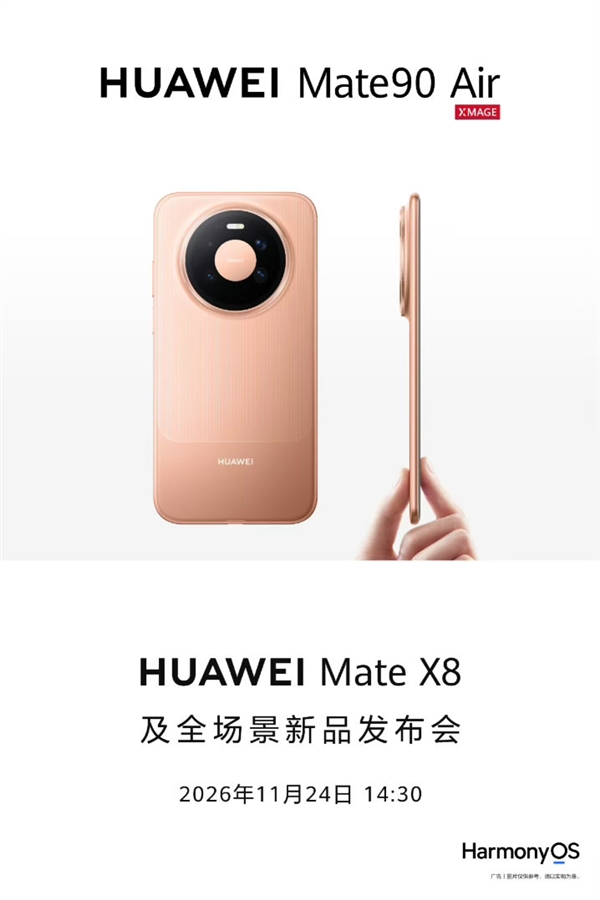
In terms of core specifications, the Huawei Mate 90 Air is equipped with a Kirin 9 series chip, comes pre-installed with HarmonyOS 7 operating system, retains a physical SIM card slot, and supports SuperCharge. The new phone will be officially released on November 24th.
Overall, the Huawei Mate 90 Air continues the product philosophy of its predecessor, the Air, which balances imaging, battery life and performance while minimizing body thickness.
This contrasts sharply with Apple’s product strategy for the iPhone Air. Apple emphasizes extreme thinness and lightness, making trade-offs in areas such as battery capacity, while Huawei aims to strike a balance between a slim design and a complete flagship experience.

Kazam is Focused on creating and reporting timely content in technology with a special focus on mobile phone technology. Kazam reports, analyzes, and reviews recent trends, news and rumors in mobile phone technology and provides the best possible insights to enhance your experience and knowledge.