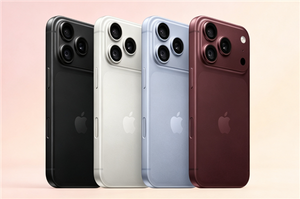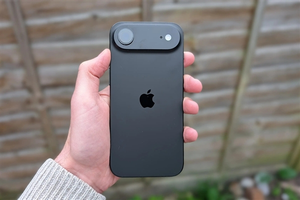
The iPhone Duo 2 prototype already features Face ID: aligning with the Pro version.
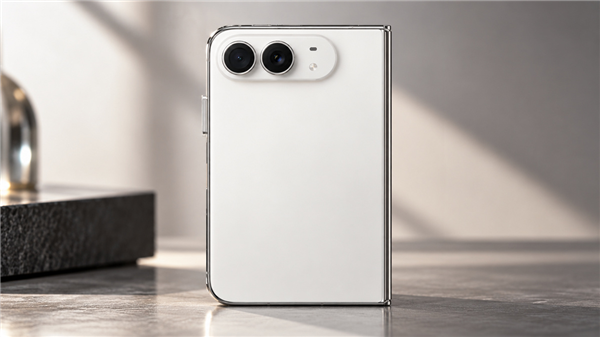
According to a recent report by tech blogger Mark Gurman on November 16th, Apple is planning the upgrade direction for future generations of the iPhone Duo foldable phone, with Face ID facial recognition and touch buttons being the two priority features. However, due to development progress, whether the second-generation model will include Face ID remains uncertain.
It is reported that Apple engineers have developed an iPhone Duo 2 prototype with Face ID and are currently attempting to integrate the facial recognition system into the phone’s external screen. If this is ultimately achieved, users will be able to unlock their phones directly through the external screen without unfolding the device, providing an experience comparable to the iPhone 18 Pro.
However, Gurman stated that Apple is currently facing a tight development schedule, and Face ID is not yet fully ready. Therefore, it is not yet possible to confirm whether this feature will be available in time for the iPhone Duo 2’s release. If the second-generation model fails to realize this feature, it may be delayed until the iPhone Duo 3, scheduled for release in 2028.
In addition to Face ID, Apple plans to add a control button to the iPhone Duo. However, this upgrade may not use a separate physical button; instead, it will adjust the long-press function of the camera control button via software, allowing users to select and launch specific applications, thus improving the button’s usability.
In terms of imaging, Apple plans to add a telephoto camera to the iPhone Duo in the future, further improving the rear imaging system. At the same time, Apple also hopes to continue reducing the thickness of the device and lightening its overall weight.
For foldable phones, slimness and lightness have always been important design considerations. Since the internal components need to house the hinge, dual screens, and battery, controlling the weight while maintaining structural strength and battery life is a challenge Apple needs to address.
Judging from the current plans, Apple is not satisfied with the conventional chip and imaging upgrades of the second-generation product. Instead, it hopes to gradually make up for the shortcomings of the iPhone Duo’s experience through Face ID, telephoto lenses, and a thinner and lighter design.


Kazam is Focused on creating and reporting timely content in technology with a special focus on mobile phone technology. Kazam reports, analyzes, and reviews recent trends, news and rumors in mobile phone technology and provides the best possible insights to enhance your experience and knowledge.