The Revival of Small-Screen Smartphones: Why They’re Making a Comeback

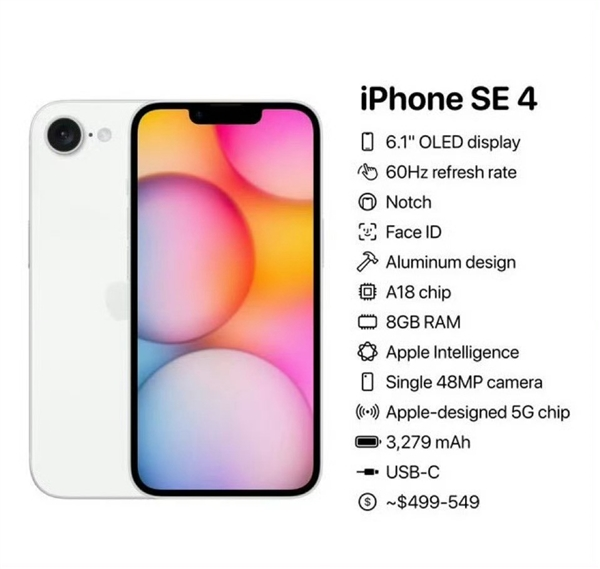
Apple’s Tim Cook has announced that new products will be launched on February 20, Beijing time. One of the most anticipated reveals is the iPhone SE4, or possibly named iPhone 16E. This compact model is expected to reignite excitement for fans of small-screen smartphones. With a 6.06-inch OLED display, 1080p resolution, and a 60Hz refresh rate, it embraces a smaller form factor at a time when most phones are exceeding 6.7 inches in size.
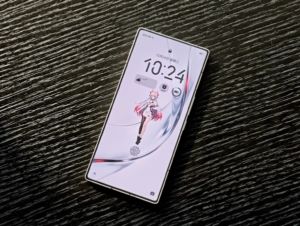
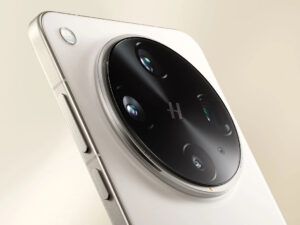
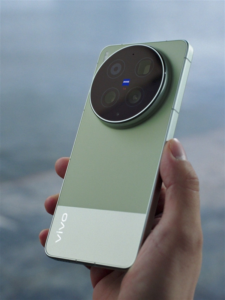
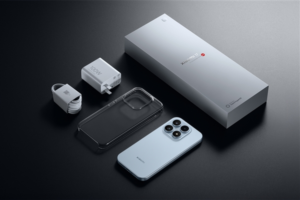
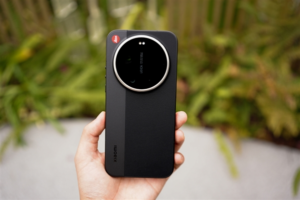
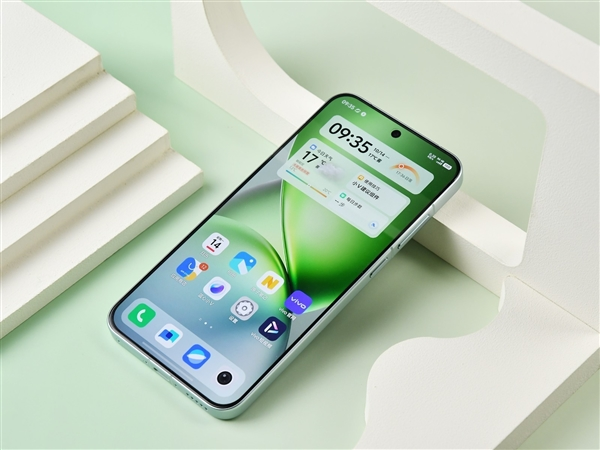
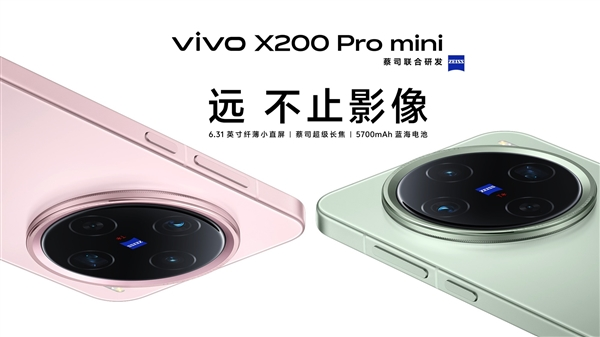
Interestingly, the demand for small-screen phones is no longer a niche trend. For example, Xiaomi’s 6.36-inch Xiaomi 15 saw 500,000 activations in December last year, and vivo’s 6.31-inch X200 Pro mini exceeded expectations. Rumors are also swirling about upcoming compact models like OPPO’s Find X8 mini and a possible OnePlus small-screen device.
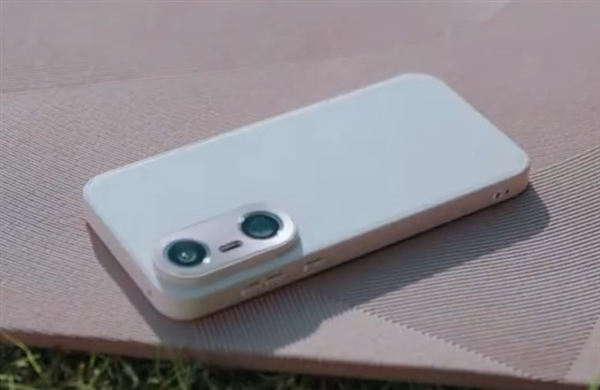
So, why are small-screen phones gaining traction again? Let’s explore the key factors driving this resurgence.
What Defines a Small-Screen Phone?
Twenty years ago, a 3-inch screen was considered massive. Today, smartphones under 6 inches are nearly extinct. The concept of “small” is relative, based on the mainstream size of the time. While larger screens align with growing demands for better functionality and efficiency, portability remains a key attribute of smartphones. This balance has kept smaller sizes relevant, even as screens have steadily grown.
Why Are Small-Screen Phones Making a Comeback?
Trends Are Cyclical
Just like fashion, smartphone trends tend to repeat. As large screens dominate, small screens offer a way to stand out. Compact phones often emphasize style and nostalgia, appealing to users who seek something different.
Portability and One-Handed Use
Larger screens have made one-handed operation less practical, but not all users have adapted to this change. Many still prefer the control and convenience of a phone that fits comfortably in one hand. Compact phones also appeal to users who prioritize portability over advanced features.
Ecosystem Improvements Enable Downsizing
With better brand ecosystems, functions once reliant on larger phones can now be transferred to other devices like tablets. For instance, tablets offer larger screens for work and entertainment, freeing compact phones to focus on communication and light usage.
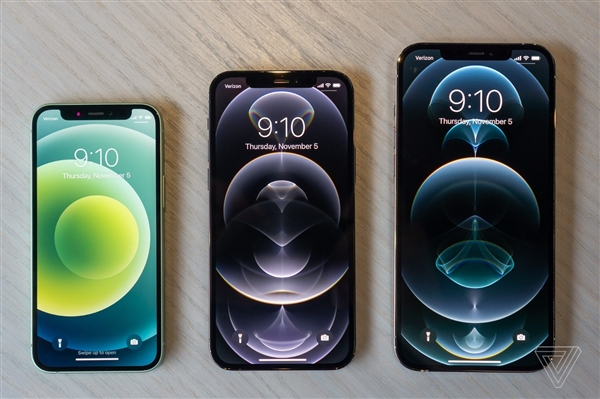
Small-Screen Phones: More Than Just Size
The appeal of small-screen phones often goes beyond their dimensions. Popular models like the Xiaomi 15 or vivo X200 Pro mini succeed due to their balanced configurations and cost-effectiveness. Similarly, the iPhone SE4 offers flagship-level performance at an affordable price, making it an accessible entry point into Apple’s ecosystem.
In essence, the revival of small-screen phones is less about size and more about manufacturers addressing market needs with thoughtful design and innovation. By offering powerful features in a compact form, brands are proving there’s still a place for smaller smartphones in today’s market. The return of small-screen phones reflects a deeper understanding of consumer preferences. Whether it’s nostalgia, practicality, or simply a desire for something different, small-screen phones are carving out their space once again.

Kazam is Focused on creating and reporting timely content in technology with a special focus on mobile phone technology. Kazam reports, analyzes, and reviews recent trends, news and rumors in mobile phone technology and provides the best possible insights to enhance your experience and knowledge.