The thinnest iPhone ever is coming! Everything you want to know about iPhone 17 Air is here
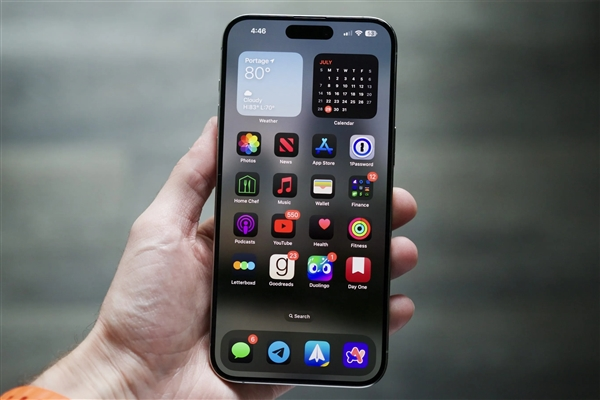
Next month, the new generation of iPhone 17 series will officially meet with everyone. Compared with the previous generation, Apple has adjusted its product line again this time. The large-screen Plus version that has “resurrected” three generations has withdrawn from the “stage” again, and will be replaced by the lightweight iPhone 17 Air.
The standard version focuses on value for money, offering a balanced experience that meets basic needs; the Pro offers the ultimate experience, available in two sizes; and the Air pursues extreme lightness and thinness, providing a differentiated experience, forming a new product matrix. Today, I will sort out the current information about these products in advance.
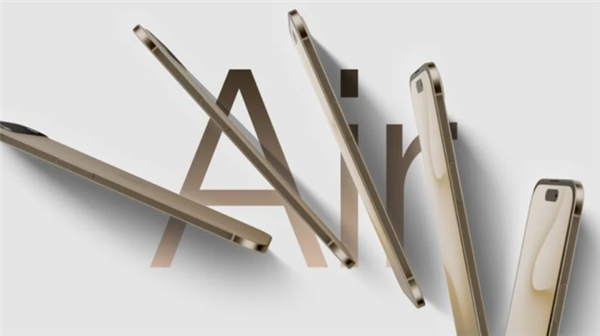
Let me add one more thing here. iPhone 17 Air and the previously mentioned iPhone 17 Slim are not its final official names. Air should be more popular. After all, both iPad and MacBook use the names “Air” and “Pro”, so the iPhone is likely to be arranged in this way. So we will call it “iPhone 17 Air” here.
Appearance
The biggest feature of the iPhone 17 Air is its thinness. There are many opinions about its thickness. Combining a lot of exposed information, its body thickness should be around 5.5-6mm, which is more than 2mm thinner than the iPhone 16 Pro, making it the thinnest iPhone ever. Previously, the thinnest was the iPhone 6, which was about 6.9mm.
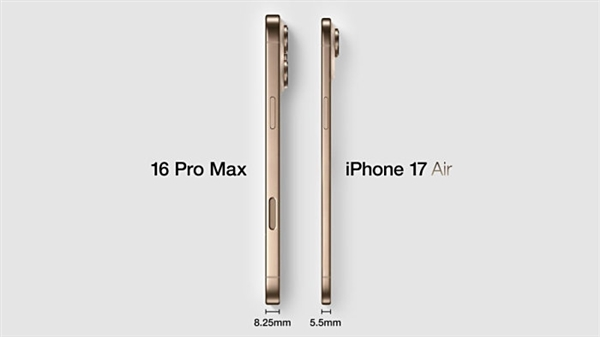
The iPhone 17 Air may adopt a titanium middle frame and become the only product in the new generation of products to use this material, because this time the iPhone 17 Pro series will be changed to aluminum alloy. As for the reason, on the one hand, it is light, and on the other hand, it is more environmentally friendly. Aluminum usually has a lower carbon footprint than titanium. Of course, it may also be because of lower cost.
Let’s get back to the topic. The reason why this product chooses titanium metal is, on the one hand, to make such a thin body have higher strength and bending resistance. After all, there have been some problems with iPad bending before, so it should be avoided as much as possible. On the other hand, it makes it lighter, weighing about 145g, which is 50g+ lighter than the current flagship phone and only a few grams heavier than the previous iPhone 13 mini. This has a very big impact on the grip feel.
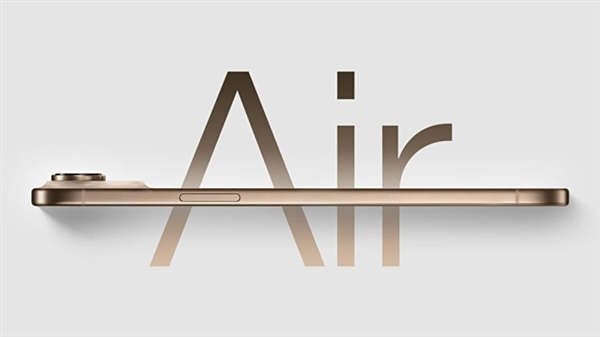
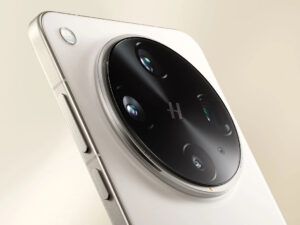
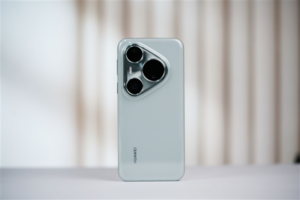
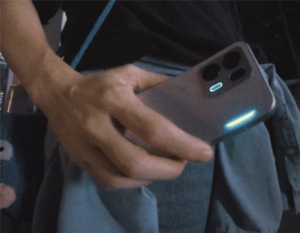
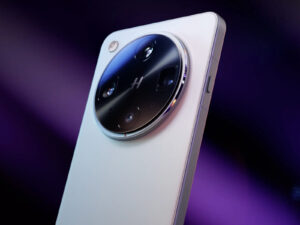
The back features a large horizontal camera deco, which, according to leaks, has a slightly curved transition to the back panel, making it highly recognizable and unlike previous iPhone models. Despite having only a single camera, the deco is so large. My guess is that placing a single camera on one side would be a bit disjointed, so this large deco was chosen.
Although the body is very thin, the iPhone 17 Air still has camera control buttons and operation buttons. The former is used to control the camera, and the latter can be set to silent mode, focus mode, camera, flashlight and other functions.
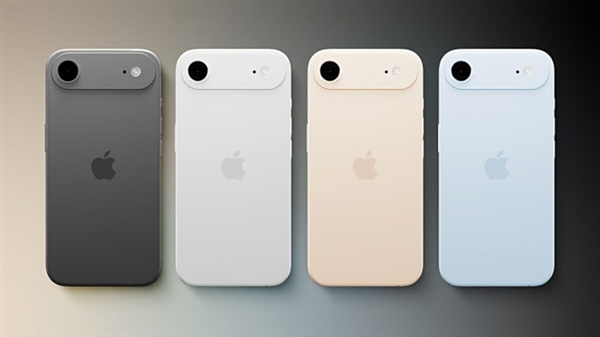
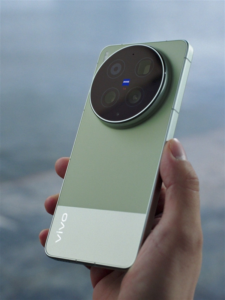
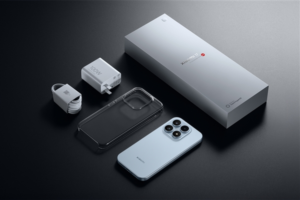
This time, the iPhone 17 Air will be available in black, white, light gold and light blue. Among them, light blue should become its star color, a bit like the sky blue on the previous Macbook Air, giving a very refreshing feeling.
Screen
The front will be equipped with a 6.6-inch OLED display, which is between the iPhone 17 and iPhone 17 Pro Max. As for whether it will support ProMotion adaptive refresh rate technology like the Pro version, there are different news at present, which allows the screen to dynamically adjust between 1Hz and 120Hz, thereby extending battery life.
I personally tend to think that the Air version’s screen will support this technology, after all, its battery capacity is really worrying. Of course, it may also support a simple 120Hz high refresh rate like the iPhone 17.
Configuration
Apple has prepared two chips, A19 and A19 Pro, for the iPhone 17 series. From the current news, the iPhone 17 Air may be equipped with the same A19 Pro as the Pro version, but it is a “castrated version” with one core cut off from its GPU. This is probably to reduce heat. After all, the body is so light and thin, which is understandable. It is expected to be equipped with 12GB of RAM, which should be the case for all products this year to better serve Apple’s intelligence.
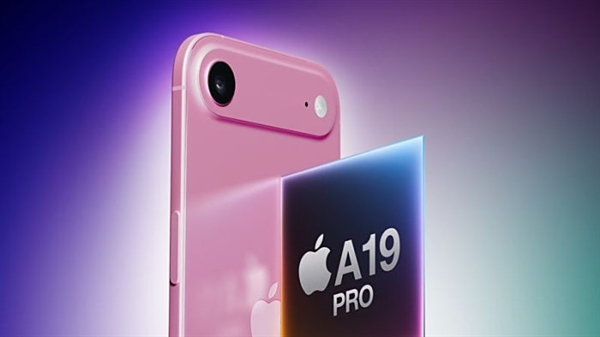
As for the battery capacity, due to the extremely light and thin body, there will definitely be some compromises. According to current information, the battery will be about 2800-2900mAh, which is indeed small.
The battery of the previous generation iPhone 16 is 3561mAh, while this product has a larger screen but a smaller battery capacity. It is inevitable that people will worry about its battery life performance. Apple is also taking some measures to improve battery life.
For example, the aforementioned removal of a GPU core and the adoption of a more energy-efficient C1 modem have been mentioned. However, overall, battery life is a major challenge for this ultra-thin device. Regarding charging, the maximum power consumption is 35W, so I won’t go into details.
camera
As for the camera, due to its thin and light design, its internal space is very limited. The iPhone 17 Air will only be equipped with a single-lens rear camera, which should be a 48-megapixel single camera. It can achieve 2x “optical-grade” zoom through sensor cropping, which can be regarded as two lenses. However, compared with the Pro version, the imaging is still far behind. Moreover, the single camera should not be able to capture space videos or space photos.
Like other iPhone 17 models, the front camera will be upgraded to 24 million pixels, improving the shooting quality and providing more space for cropping.
price
The iPhone 17 Air is expected to be priced at $899, which is comparable to the previous iPhone 16 Plus. The Chinese version is estimated to be priced at 6,999 yuan, which is 1,000 yuan more expensive than the iPhone 17. Of course, due to the increase in component costs due to tariffs, the iPhone 17 series is likely to increase in price, but Apple will link this price increase to new features and new designs to justify the price.
Final Thoughts
The iPhone 17 Air is a new attempt by Apple after the small-screen mini and large-screen Plus. Compared with the previous simply smaller or larger, the feature of this product is more obvious, that is, the ultra-light and thin design. As I said at the beginning, it has formed three product lines with clearer positioning and characteristics.
The extremely light and thin design does require some sacrifices. Judging from the current information, the biggest challenge for this model is the battery life performance, whether it can meet the normal usage needs of ordinary consumers, and the imaging, whether the single camera can meet the daily shooting needs. After all, in order to achieve lightness and thinness, users cannot lose too much.
Previously, both mini and Plus had their own problems, but they were discontinued due to poor sales. Apple has been actively adjusting its product line based on market feedback and changes in user demand in recent years. As for how long the Air can last this time, it will be decided by the market.

Kazam is Focused on creating and reporting timely content in technology with a special focus on mobile phone technology. Kazam reports, analyzes, and reviews recent trends, news and rumors in mobile phone technology and provides the best possible insights to enhance your experience and knowledge.