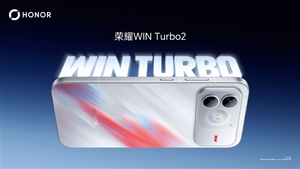
Honor WIN2 Hands-on Experience: A Sure-Win Performance Monster of the Year
In the past two years, it has become increasingly difficult to write original content about performance phones. Everyone is using the same flagship chip from the same company and the same level of memory specifications, and the differences in benchmark scores often hover within the margin of error. By the end of the product launch event, it seems that the only thing left to compete on is price.
So when I got the Honor WIN2, I wasn’t concerned about how many points it could score, but rather how it met the actual needs of users today. Honor chose to put features that were previously scattered across different product categories, such as dual-fan active cooling, a large battery with a capacity of tens of thousands of kilowatts, and a 2K high refresh rate eye protection screen, into the same phone.
The previous generation Honor WIN series had already popularized the topic of built-in fans, with the official positioning of the WIN2 series as the “Top 0 Gaming Phone of the Year.” This generation, however, boasts a more complete and robust design, featuring the Dongfeng Twin Star Turbine Cooling System, a sixth-generation Snapdragon 8 Super Supreme Edition processor, and a 2K 185Hz dual-core Oasis Screen. I’ve been using it as my primary phone for the past few days, playing dozens of games, and here are my impressions.
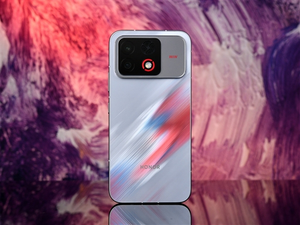
Appearance: Flat screen with equal sides, Deco design for the combat cockpit.
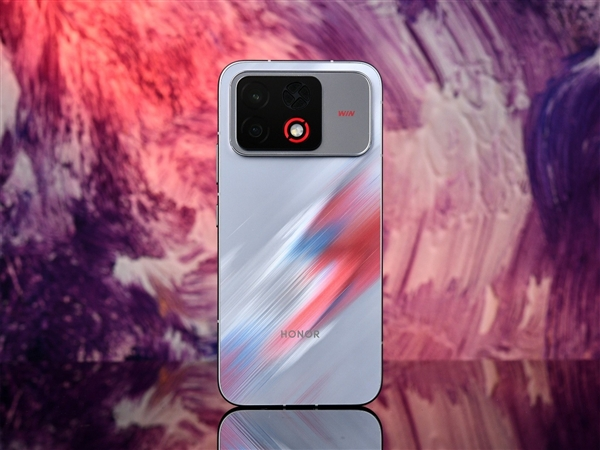
The Honor WIN2 features a 6.89-inch flat screen with bezels of 0.93mm on all four sides, resulting in clean borders when the screen is on. The preference of performance phone users for flat screens is self-evident; accidental touches on curved screen edges are incredibly frustrating in games, and a flat screen with equal bezels is exactly what this type of product should look like.
The device is 8.5mm thick and weighs 237g. While the numbers don’t seem particularly thin or light, don’t forget that it houses dual fans and a 10100mAh battery. This weight makes it feel solid in your hand, not heavy.
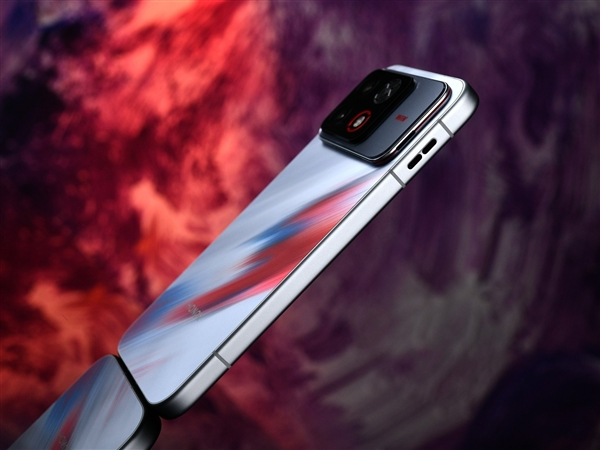
The phone comes in three color schemes: Red and Blue Buff, Quick Team Up, and Guaranteed Win, all named with gaming references, making it instantly recognizable to the target audience. Its environmental protection also deserves special mention: the entire phone supports IP68+IP69+IP69K dust and water resistance, and the built-in dual fans also achieve IPX8+IPX9 water resistance. Previously, phones with active cooling rarely offered high-specification water resistance; this phone finally addresses that shortcoming.
Performance: The sixth-generation Snapdragon 8 Ultra, tuning is the watershed moment.
The Honor WIN2 is among the first phones to be equipped with the sixth-generation Snapdragon 8 Super Edition, a new flagship platform built on a 2nm process. The chip’s specifications are likely already familiar to most, so I won’t repeat them here.
For current gaming phones, the real difference in experience lies in the tuning. The Honor WIN2 uses the Honor Phantom Engine for deep tuning, which the official statement is “same chip, more stable frame rate”. We will verify this statement in the later game test.
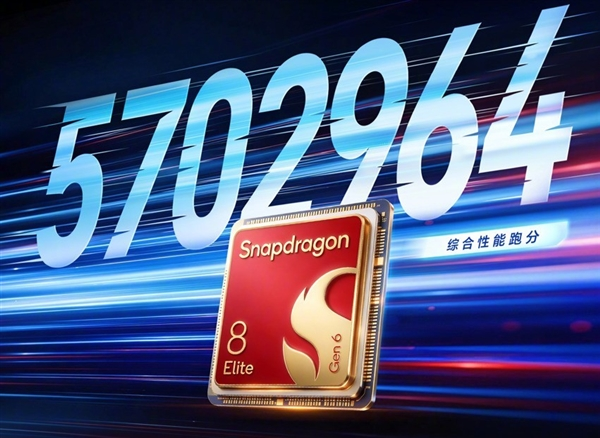
An industry-level observation: With the advent of the 2nm generation, the absolute performance of flagship chips has already significantly exceeded that of mainstream games, and the marginal benefit of simply stacking more chips is getting lower and lower.
The key to future performance competition lies in translating peak performance into sustained, stable output. System engineering aspects like heat dissipation, scheduling, and touch response will be the true differentiators in terms of user experience. This is why Honor WIN2 prioritizes heat dissipation and battery life so highly.
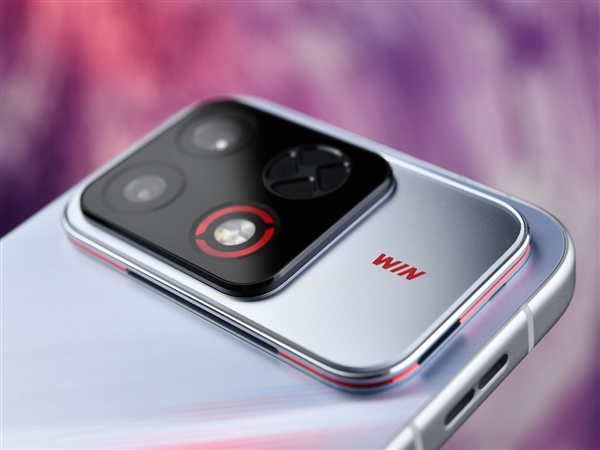
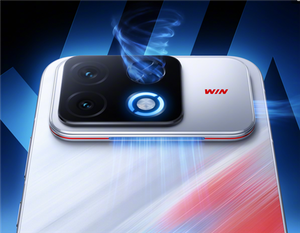
Cooling: Dongfeng Twin Star Turbine, 10℃ drop in 50 seconds
The previous generation of WIN’s dual fans were more like a trial run, while this generation of Dongfeng Twin Star Turbine Cooler has perfected the entire architecture: the dual-fan three-dimensional cooling architecture is the first of its kind in the industry, and the official data shows that the body temperature drops by 10°C in 50 seconds. It has also passed the SGS full-area high-efficiency heat dissipation certification, which is also a first in the industry.
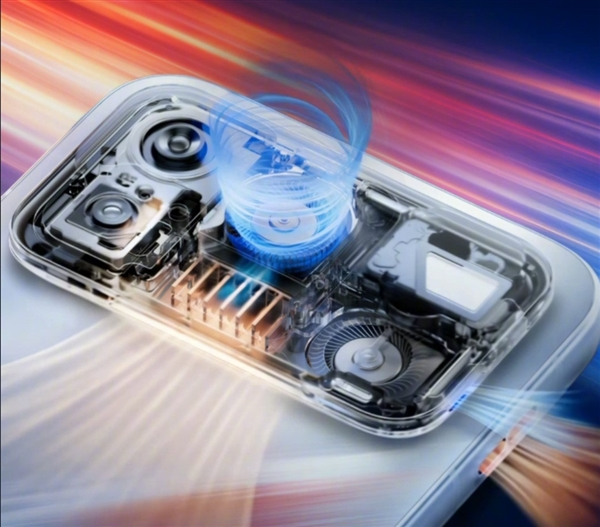
In actual use, the fan is less noticeable than expected. It’s barely used for everyday tasks like browsing social media and taking photos; during extended gaming sessions, the heat is quickly drawn away from the device, and the back cover heats up much more slowly, preventing the area in contact with your hand from getting so hot that you’d want to switch hands. In a test, after playing Arknights: The End of the World for 30 minutes, the highest temperature on the back cover was only 34.5 degrees Celsius.
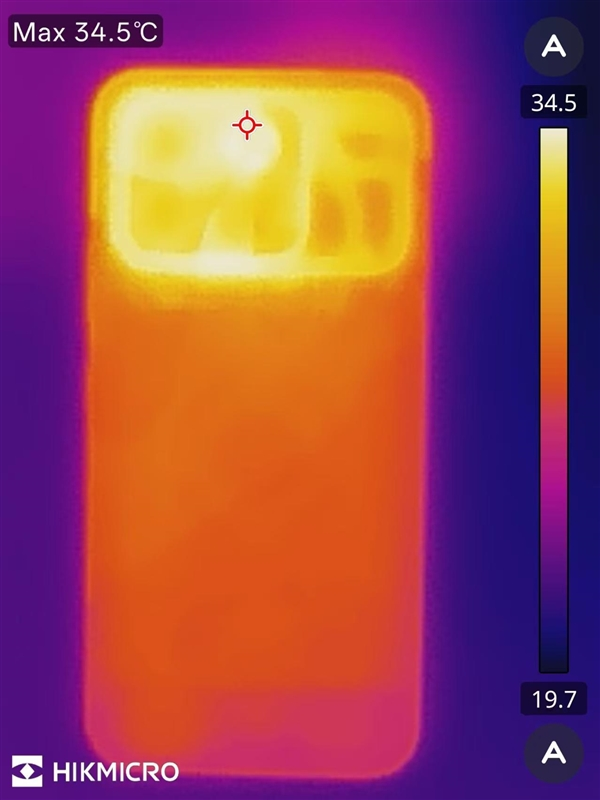
More importantly, the frame rate is high. If the heat dissipates quickly, the chip doesn’t need to reduce its frequency to protect itself. This is the physical basis for maintaining a stable frame rate in later games.
Game testing: PUBG Mobile, The End, and Genshin Impact running non-stop.
The test selected three games with different load gradients: Peacekeeper Elite, Arknights: End of the World, and Genshin Impact, playing one round each from light-load esports to heavy-load open-world games.
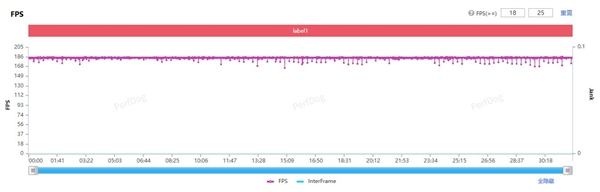
In competitive mobile games like Peacekeeper Elite, victory often hinges on fractions of a second of response time. The Honor WIN2’s 185Hz high refresh rate screen is natively adapted for over forty mainstream games. In top-tier competitive games like Peacekeeper Elite, aiming, recoil control, and aiming are incredibly responsive in high frame rate mode, without any sluggishness. Maintaining a consistent 185fps is also effortless.
Sound is also a source of information. The 1216 ultra-large symmetrical speaker with dual open 18cc sound chambers, plus AI footstep enhancement, makes it easier to determine the enemy’s location. You can gain an advantage in information gaps even without wearing headphones.
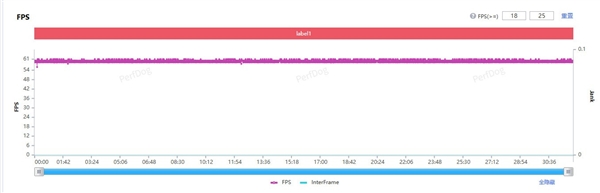
Arknights: The Last Stand is a new title this year. Its 3D real-time strategy gameplay with enhanced scene rendering puts a significant strain on the GPU compared to traditional mobile games. Running The Last Stand on high settings on my Honor WIN2, the frame rate curve during large-scale map exploration and intense battles remained consistently around 60 frames per second. I didn’t encounter any noticeable frame drops or screen tearing during continuous gameplay.
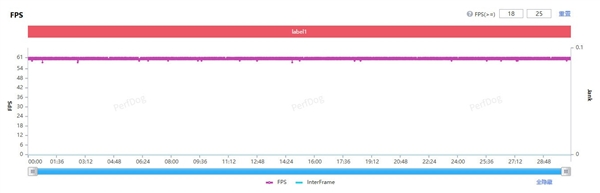
The sustained performance stress test was handled by Genshin Impact. After running the Sumeru City map for 30 minutes under high load, the frame rate remained close to 60 frames per second, and the device temperature was also kept stable.
Screen: 2K 185Hz dual-core Oasis screen, the “impossible triangle” is complete.
High resolution, high refresh rate, and eye protection were once considered an impossible triangle for mobile phone screens. 2K resolution consumes a lot of power, high refresh rate is tiring for the eyes, and eye protection dimming affects the display effect. Manufacturers usually let users choose two out of the three.
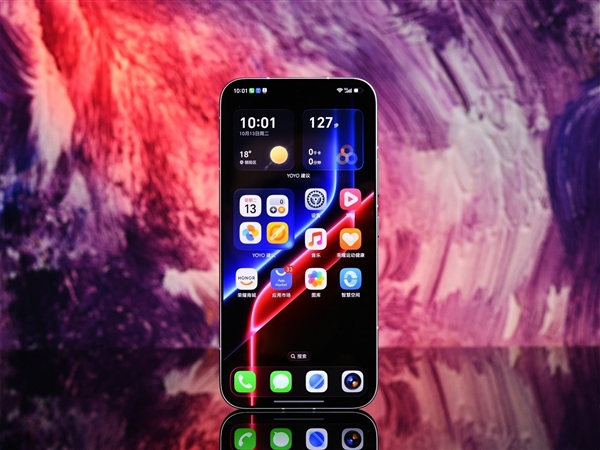
The Honor WIN2 is the world’s first to feature a 2K 185Hz dual-core Oasis screen. In terms of visual experience, the 2K resolution provides a sufficiently high level of detail in both games and videos; the 185Hz refresh rate, combined with the joint scheduling of the touch and display cores, delivers top-tier responsiveness for scrolling and touch input.
The eye protection features include 5920Hz ultra-high frequency PWM dimming, and it has received dual certifications from TÜV Rheinland for Global Eye Protection 6.0 and flicker-free technology. It also debuts customizable game black balance and game soft light soothing functions. After playing a couple of games in the dark at night, the eye strain is definitely less than before.
Battery life and signal strength: 10,000-level battery as a base, with Hongyan Communication as a backup.
The Honor WIN2 features a built-in 10100mAh Qinghai Lake battery, and the improvement in battery life anxiety is noticeable: before, I had to worry about battery life before going out to play games, but now, even with normal daytime use and several hours of heavy gaming at night, there’s still battery left before bed. Charging is a combination of 100W wired and 80W wireless, so recharging is quick and easy.
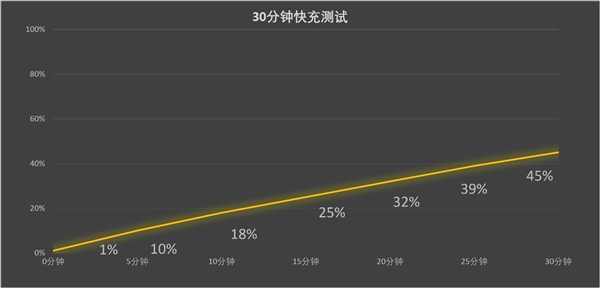
Communication is an aspect that is easily overlooked in reviews, but is particularly sensitive to gamers. The Honor WIN2 is equipped with Honor Hongyan Communication and features the self-developed RF enhancement chip HONOR C3, which is optimized for weak network and congested scenarios.
In crowded network environments like dormitories, subways, and exhibitions, latency fluctuations are smaller, resulting in more stable connections during crucial team battles. For competitive games, this is sometimes more valuable than a few extra frames.
Image quality and detail: 200MP main camera, no weak points.
The imaging capabilities of performance phones are often the subject of criticism, and the Honor WIN2 didn’t skimp on this: a 50MP front camera and a 200MP main rear camera with a 1/1.4-inch sensor, paired with a 12MP ultra-wide-angle lens. Whether it’s everyday photography, group photos, or scanning documents and QR codes, this large-sensor main camera delivers stable and high-quality images.
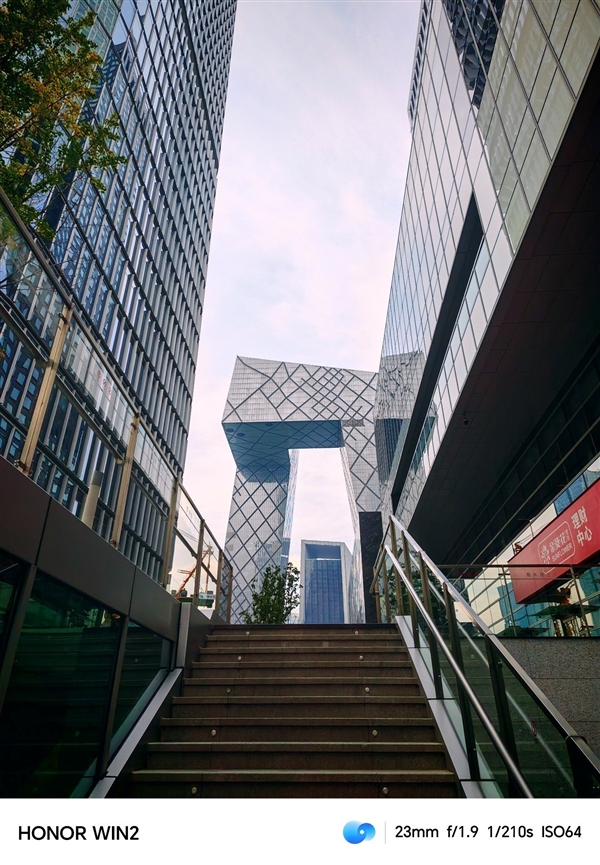
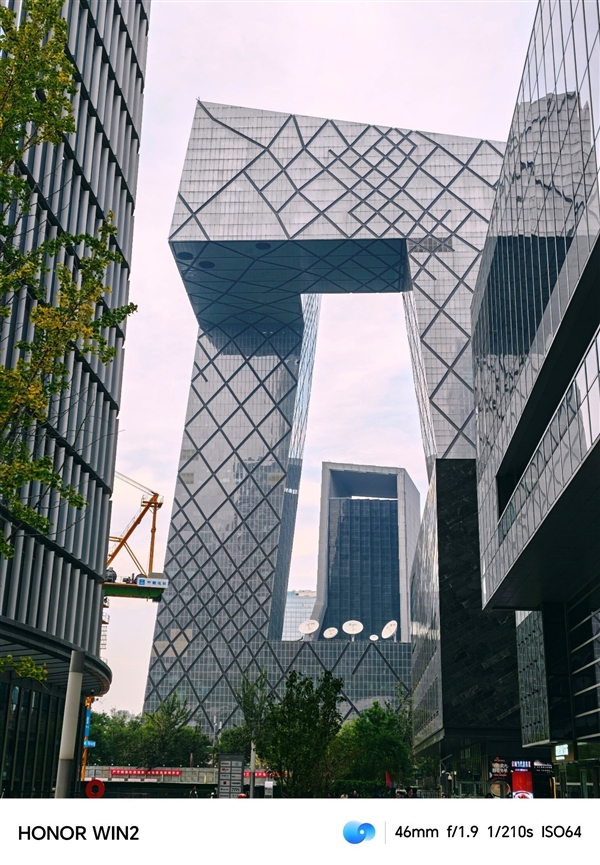
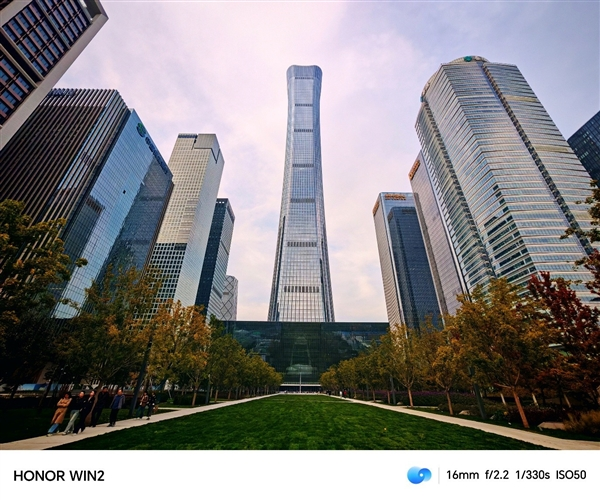
Other details are also complete: the 3D ultrasonic fingerprint unlock is fast and can be used even with wet hands; the USB 3.2 port makes transferring large files quick and easy. Looking at the overall configuration, there are no obvious shortcomings.
In conclusion: The second half of the high-performance machine era is all about systems engineering.
What’s worth discussing about the Honor WIN2 isn’t any single parameter, but rather the direction it represents. With chip supply converging and performance overflow becoming the norm, a single chip can no longer tell a new story. Active cooling, high-capacity batteries, high-specification eye-protection screens, and enhanced radio frequency—features previously considered exclusive to gaming phones—are being integrated into a mainstream phone that can also function well in everyday use.
From a market perspective, this is a signal for the industry. With the built-in fan, the Honor WIN2 series has successfully overcome long-standing challenges like waterproofing and weight reduction, and many others will follow suit. The widespread adoption of high-capacity batteries will also significantly improve the phone’s battery life. Competition is now extending to the system engineering level, meaning consumers are getting tangible benefits.
Returning to the device itself, the Dongfeng Twin Star Turbine Cooling system addresses sustained performance issues, while the 6th generation Snapdragon 8 Super Ultimate Edition provides the performance ceiling. The 2K 185Hz dual-core Oasis screen and the massive battery complete the overall experience. For those seeking a phone that delivers a smooth gaming experience and performs admirably in everyday use, the Honor WIN2 is an unavoidable choice in the current performance phone market.

Kazam is Focused on creating and reporting timely content in technology with a special focus on mobile phone technology. Kazam reports, analyzes, and reviews recent trends, news and rumors in mobile phone technology and provides the best possible insights to enhance your experience and knowledge.