Huawei Mate 90 RS Hands-on Review: Glossy Titanium Metal + Spliced Back Panel! Direct Lens Connection to a Mega Shot
According to Fast Technology on September 29, Huawei has officially announced that the Mate 90 series will be released and go on sale on October 1. It is currently on display in offline stores, and many bloggers have gotten their hands on the new phones in advance.
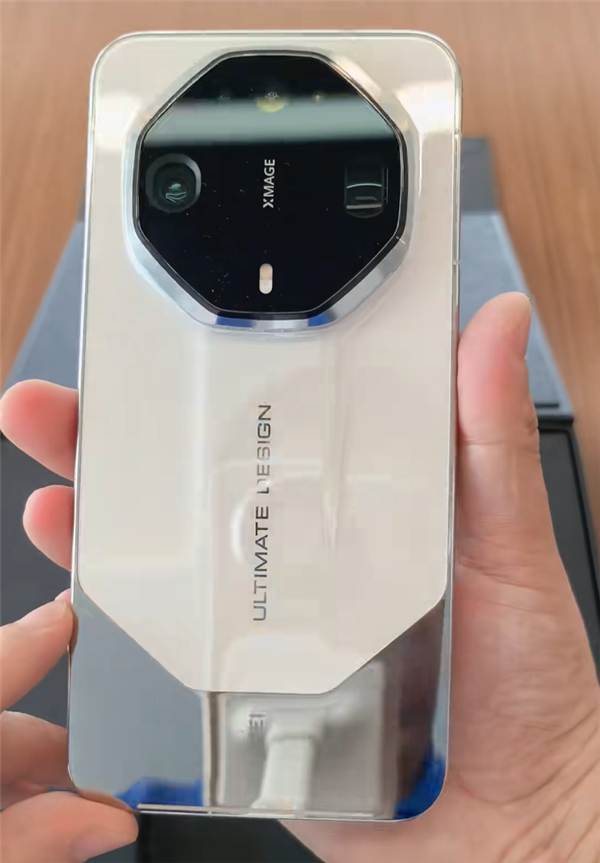
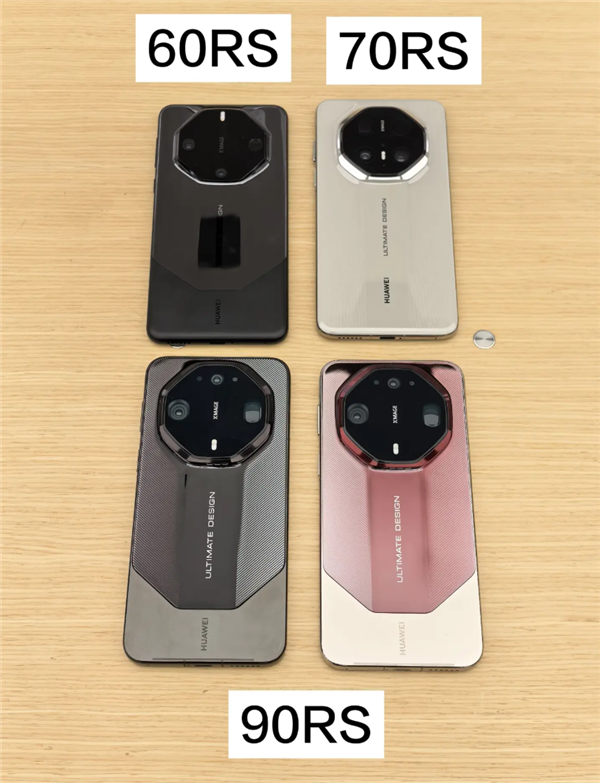
Among them, the Huawei Mate 90 RS Master features a brand-new design with a very high-quality feel. It still uses the Xuanwu architecture, and the lower half of the mid-frame and back panel is a unibody metal solution, which is expected to be bright titanium metal, lightweight, high strength and strong corrosion resistance.
Based on current information, the Mate 90 RS will be available in three colors: black, red, and white.
The spliced back panel is similar to the design of the original Mate 60 series, with the top made of ceramic material, which is warm and smooth like jade. The lens still adopts the classic octagonal shape of the master, making it highly recognizable.
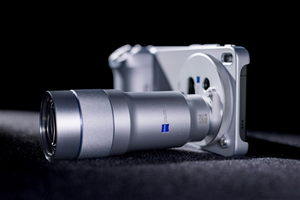
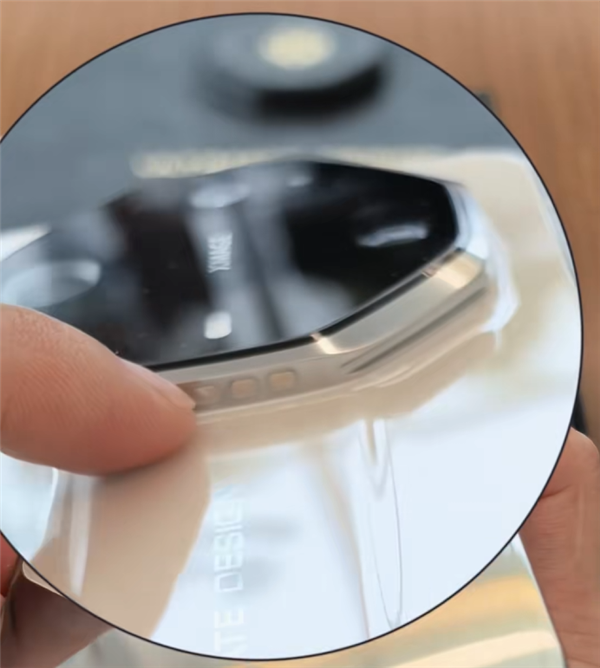
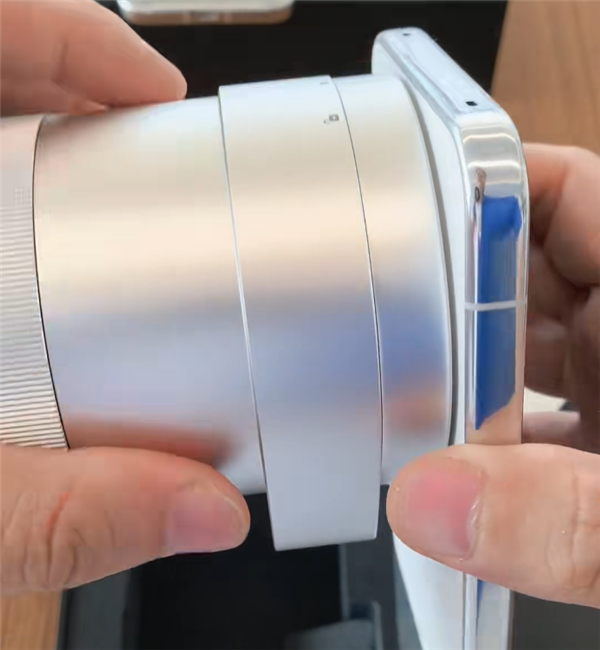
The Deco metal ring features a snap-fit design, which, along with the four metal contacts at the bottom of the module, allows for native connection to the Ruiying Z10 zoom module camera. The connection method is similar to that of the camera; simply align and twist to lock it in place.
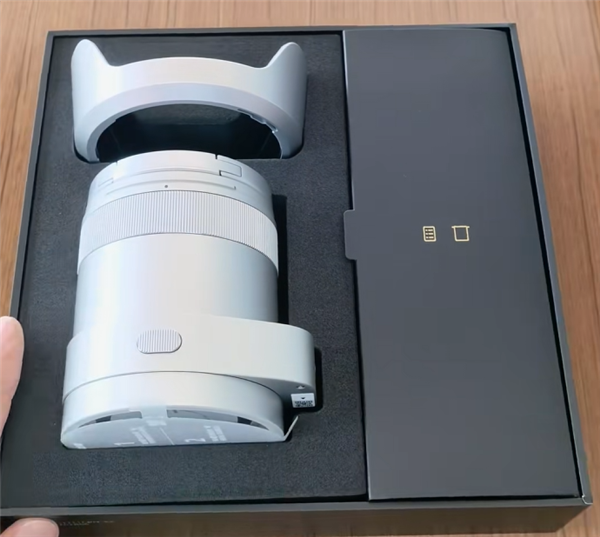
Huawei named it “camera” instead of “teleconverter” because the module has a built-in 1-inch CMOS sensor. Once installed, it will completely cover the DECO area of the rear camera lens of the phone, and the viewfinder will be captured by the module’s built-in CMOS sensor.
In addition, this lens supports power zoom, with a physical focal length of 9.1-91mm, equivalent to 24-240mm on a full-frame camera, covering 1-10x optical zoom, and an aperture range of f/2.0-f/4.5.
Compared to previous teleconverters that simply cropped and enlarged the original telephoto lens on the phone, this 1-inch large-sensor external lens produces independent imaging, and its image quality will far exceed that of the phone’s original telephoto solution.
In terms of optical specifications, the Ruiying Z10 has a fairly large entrance pupil diameter in its 1-inch high-magnification zoom module, with a wide-angle end of φ4.55mm and a telephoto end of φ20.22mm.
For reference, the Sony RX100M6/M7 has a 1-inch 9-72mm F2.8-4.5 lens, equivalent to 24-200mm, with a maximum entrance pupil of φ16mm; the Panasonic ZS110 has a 1-inch 9.1-91mm F2.8-5.9 lens, equivalent to 24-240mm, with a maximum entrance pupil of φ15.4mm; and the vivo X300 Ultra’s 200mm G2 teleconverter has an entrance pupil of approximately 19.8mm, all smaller than the telephoto end of the Ruiying Z10.
In other aspects, the Mate 90 RS retains the same 6.9-inch screen size as its predecessor, but it has been upgraded to a second-generation Linglong screen with a brightness of 12,000 nits, the highest level in the industry.
The processor is not yet readable in the system, but it is expected to be the Kirin 9050 Pro chip. This is the first mass-produced logic folding architecture chip, the first to use the Tao Law, and adopts the Lingxi CPU hyper-threading architecture. It has a 9-core solution, equipped with 1 Prime super core, 2 Performance cores, 4 Efficiency cores, and 2 Little cores.

Kazam is Focused on creating and reporting timely content in technology with a special focus on mobile phone technology. Kazam reports, analyzes, and reviews recent trends, news and rumors in mobile phone technology and provides the best possible insights to enhance your experience and knowledge.