iPhone Air 2 Design Debut: Saying Goodbye to Single Camera and Addressing Imaging Shortcomings
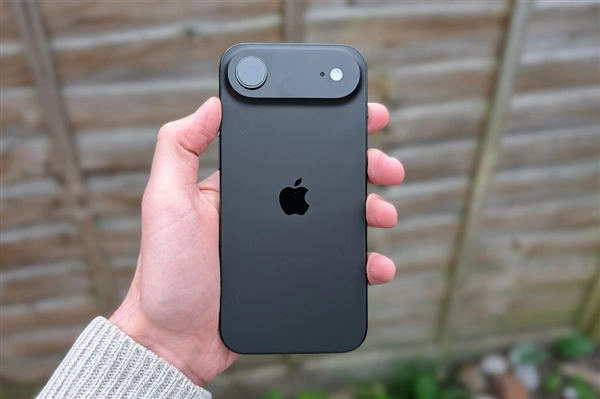
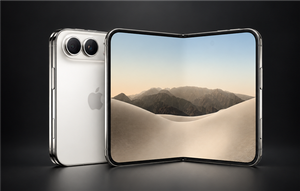
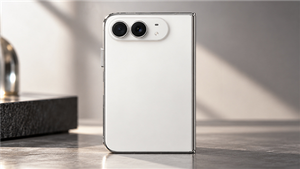
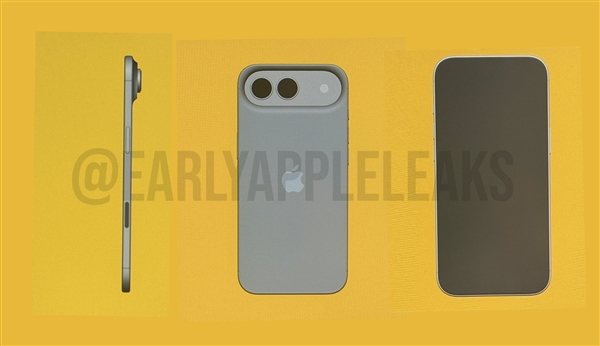
Fast Technology reported that a blogger recently revealed the design of the iPhone Air 2, claiming that this is the first look at the Air 2 that Apple is currently testing, and that it is likely already finalized.
Judging from the leaked images, the iPhone Air 2 still uses the horizontal camera DECO design, with the biggest change being the upgrade to a dual-camera setup. It is expected to be equipped with a 48-megapixel main camera and a 48-megapixel ultra-wide-angle lens, thus effectively making up for the obvious shortcomings of the previous generation in imaging.
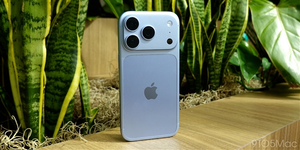
As a model emphasizing an ultra-thin design, the previous generation iPhone Air garnered widespread attention upon its debut. Replacing the previous iPhone Plus series, it broke Apple’s record for the thinnest iPhone with its mere 5.6mm thickness, and was highly anticipated by Apple.
However, the market response after its launch was not ideal. At the beginning of this year, the price of the Chinese version dropped from the initial price of 7,999 yuan to 5,499 yuan, a significant price reduction. The early dismantling of Foxconn’s production line further reflects the awkward situation of this product in the market.
Many netizens have pointed out that the original iPhone Air had several significant shortcomings, such as only having a single rear camera, noticeably weak battery life, the elimination of the physical SIM card slot globally, and even the reduction of the speaker to just one. While these trade-offs served the purpose of an ultra-thin design, they directly impacted the user’s daily experience.
Now, the iPhone Air 2 has upgraded from a single camera to a dual-camera system, meaning the second-generation Air will be able to cover a wider range of shooting scenarios, achieving a qualitative improvement in imaging capabilities. Furthermore, the iPhone Air 2 will further optimize battery life, be equipped with Apple’s A20 series flagship chip, and retain the ultra-thin and lightweight feel of its predecessor, striving to find a better balance between portability and practicality.

Kazam is Focused on creating and reporting timely content in technology with a special focus on mobile phone technology. Kazam reports, analyzes, and reviews recent trends, news and rumors in mobile phone technology and provides the best possible insights to enhance your experience and knowledge.