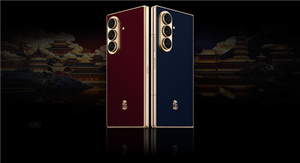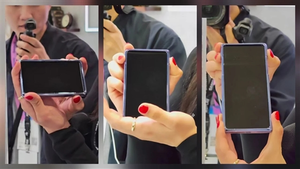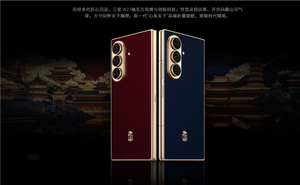
Samsung Galaxy Z TriFold 2 to be released next year: pricing similar to Huawei.
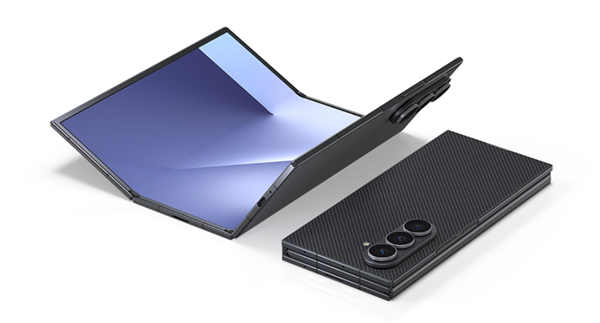
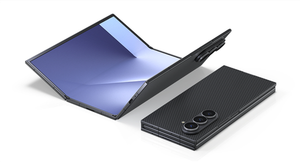
According to GalaxyClub, Samsung’s next-generation tri-fold phone, the Galaxy Z TriFold 2, has the codename Q9m, while the first generation was Q7m.
According to Samsung’s codename system, Q9 corresponds to Galaxy Z Fold9 Ultra, Q7 corresponds to Fold7. The first-generation tri-fold folding phone was built on the Fold7 platform, and the second generation will most likely use the hardware foundation of Fold9 Ultra and will be unveiled on the same stage as Fold9 series next year.
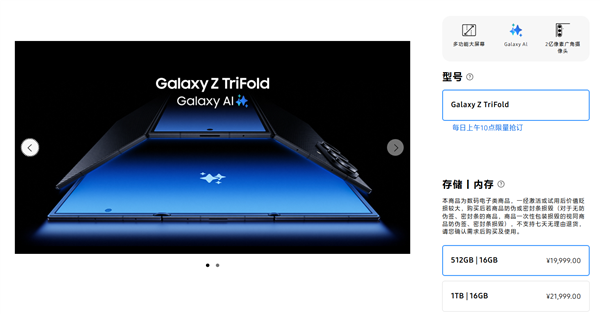
Regarding pricing, reports suggest that the Galaxy Z TriFold 2 may maintain the original pricing, at 3.594 million won in South Korea, $2,899 in the US, and starting at 19,999 yuan in China.
In comparison, the Huawei Mate XT 2 Master Edition starts at 19,999 yuan in China, placing both in the same price range.
Regarding the availability, the second-generation model may continue the limited-edition strategy of the first generation, launching first in the South Korean and American markets, with no plans for global release at the moment, but it is still expected to enter the Chinese market.
Regarding the design, leaked information suggests that the new device will be thinner, lighter, and more durable than the original, and will feature a new hinge.
The first generation is 3.9mm thick when unfolded, 12.9mm thick when folded, and weighs 309g. It features a 10-inch screen, a Snapdragon 8 Elite processor, and a 5600mAh battery distributed across the three-fold body. Internally, it is claimed to have a folding life of 200,000 times.
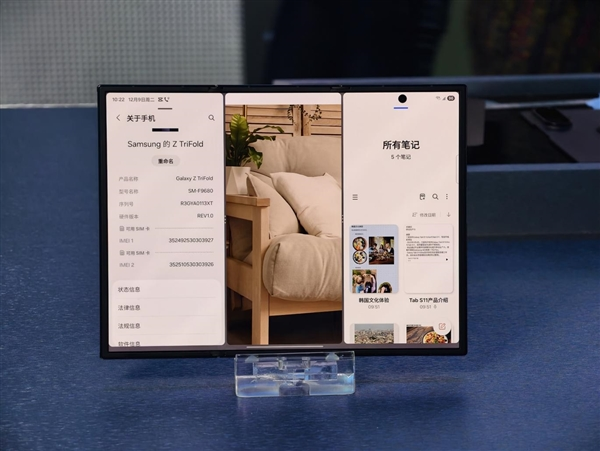
South Korean media previously analyzed that rising memory and storage prices, material costs for bi-fold screens, and the risks of small-batch production were important reasons why the first-generation tri-fold screen quickly narrowed its sales scope.
It is worth noting that the lifespan of the original Galaxy Z TriFold was unusually short. About three months after its release, Samsung confirmed that it had entered the process of ceasing production in South Korea, and production was stopped as soon as it sold out in the US market. The company did not give a reason, but it is believed that rising memory chip prices and logistics costs were the direct causes.

Kazam is Focused on creating and reporting timely content in technology with a special focus on mobile phone technology. Kazam reports, analyzes, and reviews recent trends, news and rumors in mobile phone technology and provides the best possible insights to enhance your experience and knowledge.