Five highlights of Google Android 16 revealed!
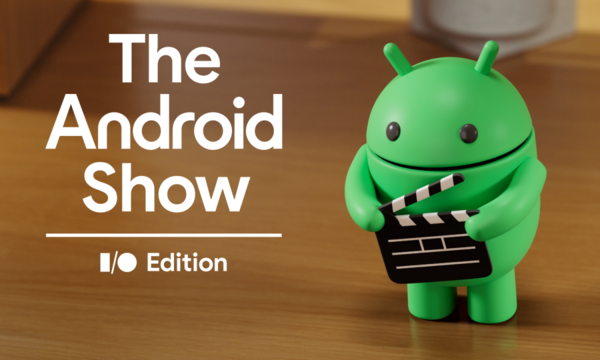
Google is about to launch a new generation of operating system Android 16. This update not only brings a new visual experience, but also makes many optimizations in terms of function and security. Although the specific release time has not yet been announced, Google has revealed several key highlights in advance, let us take a look.
Material 3 expressive design
Material 3 is a new design language that Google started developing three years ago. This time, it was further upgraded to an “expressive” version (Material 3 Expressive) in Android 16. A lot of research work went into this design, including feedback testing from more than 18,000 users worldwide, aiming to make the system interface not only look good, but also make people feel an “emotional connection.”
The new design creates a more intuitive and smoother operating experience through the clever combination of elements such as color, shape and animation. For example, basic components such as buttons, loading bars, and toolbars have been redesigned, with more natural animations and easier-to-read fonts. The entire system has faster operational response, smoother interface transitions, and is easier and more enjoyable to use overall.
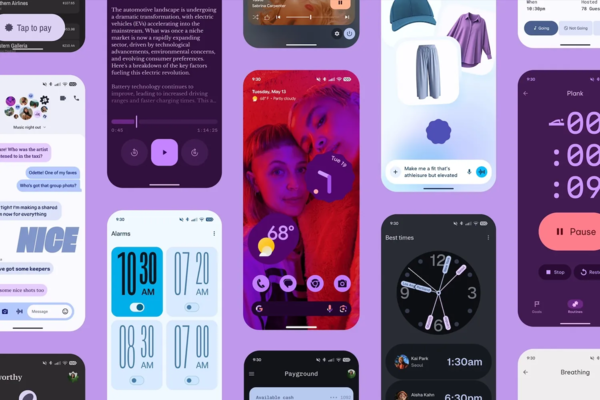
A representative example is the “Send” button of Gmail. It was moved from the top of the email to just above the keyboard. The button is larger and more eye-catching, and the click efficiency is increased by four times. This change not only improves the operation efficiency, but also makes it easier for users of different ages to get started.
Google also hopes that developers can adopt this new design language as soon as possible, and provides a wealth of tool support for this, including new color schemes, font styles, animation effects, and accessibility guidelines. In the future, we will see Material 3 Expressive in more and more applications.
Wear OS 6: Comprehensive upgrade of smartwatch experience
Material 3 Expressive will not only appear on mobile phones, but will also debut on Wear OS 6, Google’s operating system for smartwatches. The new version is specially optimized for round screens, with the interface built around the round screen to make full use of every inch of display space.
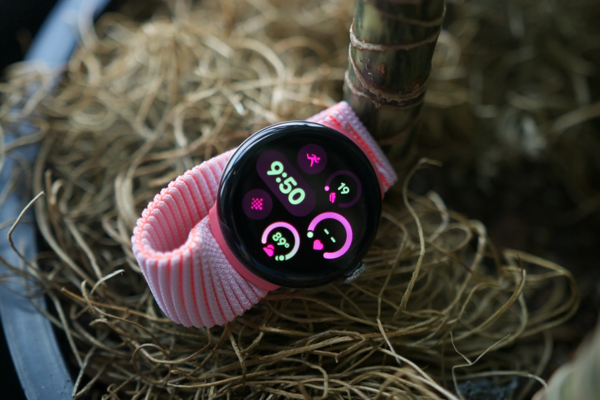
Wear OS 6 borrows many design elements from the mobile phone, such as elastic buttons, unified color themes and new icon styles, making information display clearer and operation more convenient. At the same time, the new system also introduces simpler layouts, larger clickable areas, and focus mode to improve the convenience of daily use.
According to Google, Wear OS 6 has also made significant progress in performance optimization. It is expected that the battery life of smart watches will be extended by about 10% after the upgrade, which will significantly improve the overall experience of the device.
Gemini AI is fully integrated into the system
AI has become the focus of major manufacturers, and Google is no exception. In Android 16, Gemini AI will play a more important role, not only deeply integrated into the mobile phone system, but also expanded to more devices and scenarios.
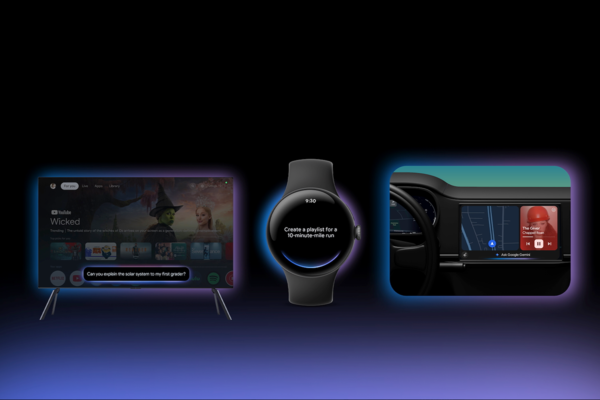
Gemini will replace the current Google Assistant as the default voice assistant on Wear OS. Users can interact with it through natural conversations and let it call multiple applications to get the information they need. For example, in the Android Auto car system, Gemini can help you check gas stations near your route, play music, read messages and even provide news summaries, all without having to do anything, greatly improving driving safety.
In addition, Gemini will also be connected to Android XR (a wearable platform developed by Google and Samsung) and Google TV, allowing the AI assistant to run through various user scenarios.
Find Hub
Android 16 also brings a new “Find Center” – Find Hub, which is no longer just a tool for tracking lost devices, but a comprehensive location service platform.

Find Hub supports linkage with trackers produced by brands such as Peak and July, and is also compatible with tags equipped with ultra-wideband technology such as Moto Tag to achieve more accurate location positioning. More importantly, Google has also reached cooperation with many airlines, including British Airways, Cathay Pacific and Iberia Airlines. In the future, passengers can obtain the Bluetooth location data of their luggage through Find Hub, greatly reducing the risk of package loss.
At the same time, Find Hub also plans to add satellite communication capabilities later this year, so that basic contact capabilities can be maintained even in places without network signals.
Stronger security protection
In addition to functional upgrades, Android 16 has also been significantly enhanced in terms of security. The system has added a real-time fraud alert feature. When a user receives an unfamiliar call that is not in the address book, the system will automatically identify and prompt the user that there may be risks such as encryption scams, gift card scams, or technical support scams.
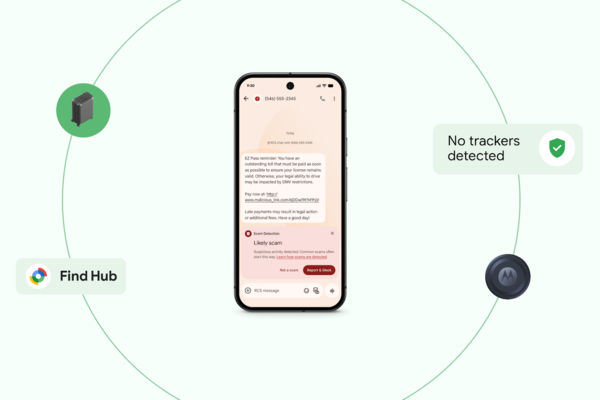
In terms of text messages, the Messages app will also gain similar protection mechanisms to prevent malicious links and false information.
For apps downloaded from unofficial channels, the system will also strengthen permission control, add new protection measures for screen sharing, and strengthen call security for banking apps. Advanced protection will also be available to all users, suitable for those who have higher privacy and security requirements. It can automatically lock the device when a suspicious attack is detected.
Google also announced that it will launch more powerful factory reset options later this year, giving users more granular control over which data is cleared. In addition, the new Key Verifier tool will use QR codes to confirm that end-to-end encryption is working properly and alert users in time if there are any anomalies (such as SIM cards being stolen and replaced).
As the release of Android 16 approaches, Google is redefining the boundaries of mobile operating systems through a series of new technologies and features. Whether it is visual design, AI integration, device interconnection or security protection, this upgrade shows Google’s deep thinking in user experience and technology integration.

Kazam is Focused on creating and reporting timely content in technology with a special focus on mobile phone technology. Kazam reports, analyzes, and reviews recent trends, news and rumors in mobile phone technology and provides the best possible insights to enhance your experience and knowledge.