Huaxing showcases its 5131 PPI display: an unprecedented pixel density
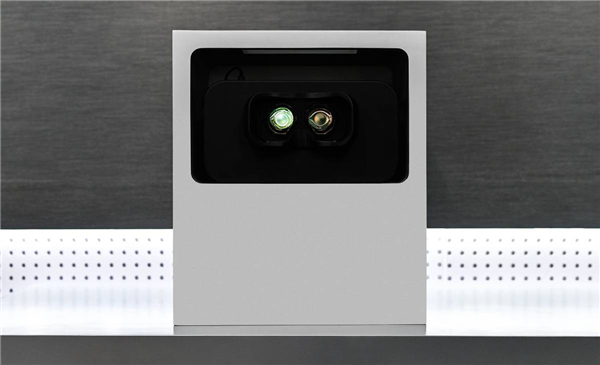
Fast Technology reported that Display Week 2026 was recently held in Los Angeles, USA. As the world’s premier event in the display industry, it attracts leading display manufacturers from all over the world to gather here every year to showcase their cutting-edge technologies.
At this grand event, CSOT (China Star Optoelectronics Technology) publicly showcased its newly developed 0.28-inch micro-display to the world. Its size is small enough to be embedded in various lightweight smart glasses products, and its pixel density of 5131 PPI sets a new record for the highest among similar products in the world.
This screen has a resolution of 1280×720. Its performance does not yet meet the stringent requirements of VR devices, but it is more than sufficient for mainstream AR glasses.
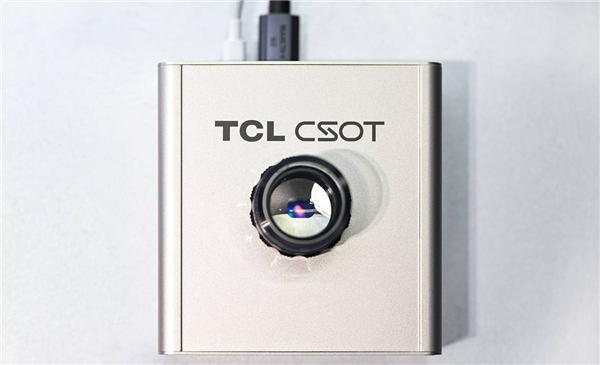
It uses a single-chip full-color Si-Micro LED panel, which is similar to the self-emissive properties of OLED. Each pixel can emit light on its own, so there is no need to install an additional backlight module like traditional LCD screens. The overall thickness can be controlled to an extremely thin and light level.
Compared with traditional display solutions, Micro LED has many inherent advantages. In addition to its high brightness, high contrast, ultra-low latency and ultra-wide viewing angle, it has lower overall power consumption, better resistance to high and low temperatures, and a much longer panel lifespan, making it fully suitable for the long-term use needs of wearable devices such as AR glasses.
In addition to this record-breaking 0.28-inch micro-display with a PPI of 1, CSOT has also created a Real RGB G-OLED display specifically for high-end XR devices. This screen is 2.24 inches in size, with a pixel density of 1700ppi, a resolution of 2600×2784, native support for a 120Hz refresh rate, and a microsecond-level response time, while also maintaining the core advantages of high contrast and low power consumption.

Kazam is Focused on creating and reporting timely content in technology with a special focus on mobile phone technology. Kazam reports, analyzes, and reviews recent trends, news and rumors in mobile phone technology and provides the best possible insights to enhance your experience and knowledge.