LCD will never be enslaved! Motorola evaluates a 1.5K LCD screen phone.
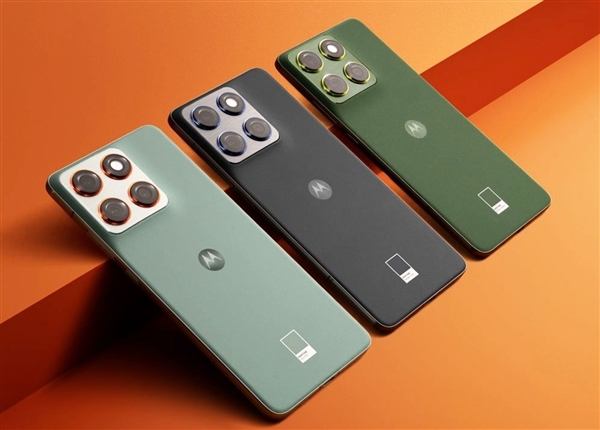
Motorola is evaluating a large 1.5K LCD screen.
Nowadays, smartphone screens are basically monopolized by OLED. From phones costing tens of thousands of yuan to phones costing thousands of yuan, all of them use OLED screens. Only some phones costing a hundred yuan still use LCD screens.
However, due to the dimming and fine display properties of LCDs, many users still miss them and are looking forward to the debut of a new flagship.

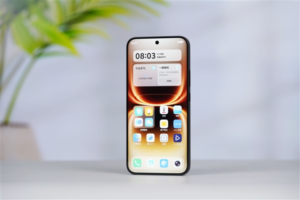
It is worth noting that the keyword “large-size 1.5K LCD” matches the screen announced by BOE last month. It is a high-end mobile phone display solution based on ADS Pro technology, bringing a top-notch 6.745-inch LCD screen.
It adopts a new ultra-retina pixel design with a pixel density of 446 PPI. The RGB pixels are arranged independently, and the clarity is comparable to 600+ PPI OLED. The text edges are sharper and the images are delicate and grain-free.
In addition, its fine-line design greatly improves screen transmittance. Combined with the new LED backlight and module optical design, the optical utilization rate is significantly improved, and the brightness jumps to 1500 nits in high brightness mode.
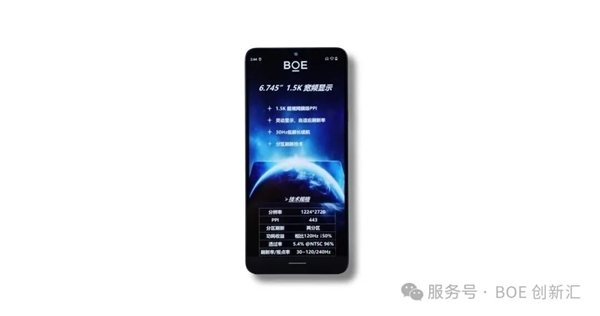
Unlike traditional LCD mobile phone screens, the upgraded screen uses a new type of gate material, which increases the gate conductivity efficiency by more than 3 times and reduces latency by 40%. While achieving a high refresh rate of 144Hz, ghosting is almost eliminated.
The low resistance of this new material can also reduce signal transmission power consumption by 28%, extending battery life by 1.8 hours in continuous high refresh rate scenarios, achieving both ultimate smoothness and long-lasting experience.
At the physical level, the display area is divided into multiple levels, which can intelligently divide high and low frame rate areas according to the displayed content and user operation, and flexibly match the optimal screen refresh rate to achieve “dynamic partitioning and on-demand refresh” of the screen.
The always-on display technology has also been upgraded, breaking through the 40Hz low refresh rate limit of the screen. The overall refresh rate has been reduced to achieve dynamic partition refresh from 5Hz to 30Hz. Compared with traditional technology, the power consumption of always-on display can be reduced by up to 30%.
BOE pioneered a highly integrated all-in-one display module design, which reduces the overall space occupied by external sensors and enables ultra-narrow bezel designs for terminal products, making mobile terminals thinner and lighter with a higher screen-to-body ratio.

Kazam is Focused on creating and reporting timely content in technology with a special focus on mobile phone technology. Kazam reports, analyzes, and reviews recent trends, news and rumors in mobile phone technology and provides the best possible insights to enhance your experience and knowledge.