Galaxy S27 Ultra Expected to Feature Nearly 1-inch 200MP Rear Camera
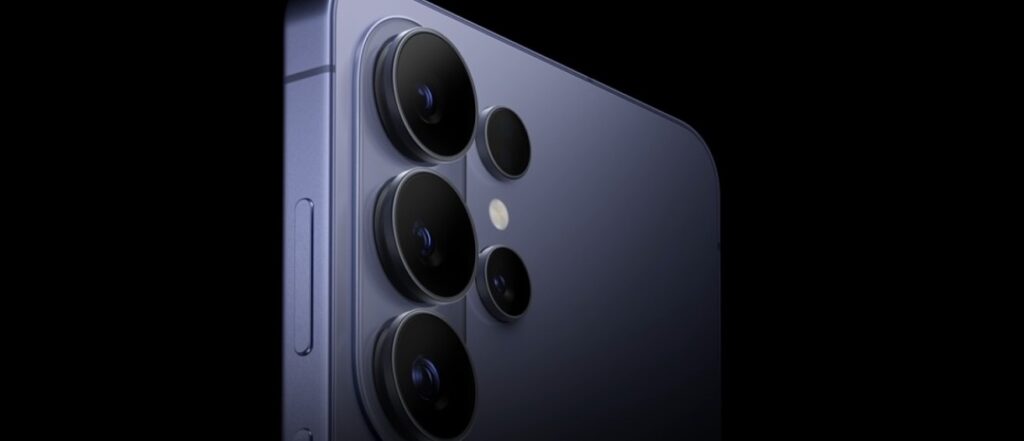
With the launch of the Galaxy S26 Ultra and its companion models now behind us industry attention is gradually turning toward the upcoming Galaxy S27 series. Interestingly the most recent leaks don’t focus directly on the S27 phones themselves. Rather it sheds light on a new camera sensor under development by Samsung which might one day be incorporated into the Galaxy S27 Ultra.
According to tech tipster Digital Chat Station, Samsung is developing an advanced flagship camera sensor for its next generation devices. The sensor which has been reportedly given the codename HPA is expected to offer a massive 200MP resolution and incorporate Samsung’s well known ISOCELL technology. Early reports suggest that it will come in a large 1/1.12 inch format and could make its debut in consumer devices sometime in 2027.
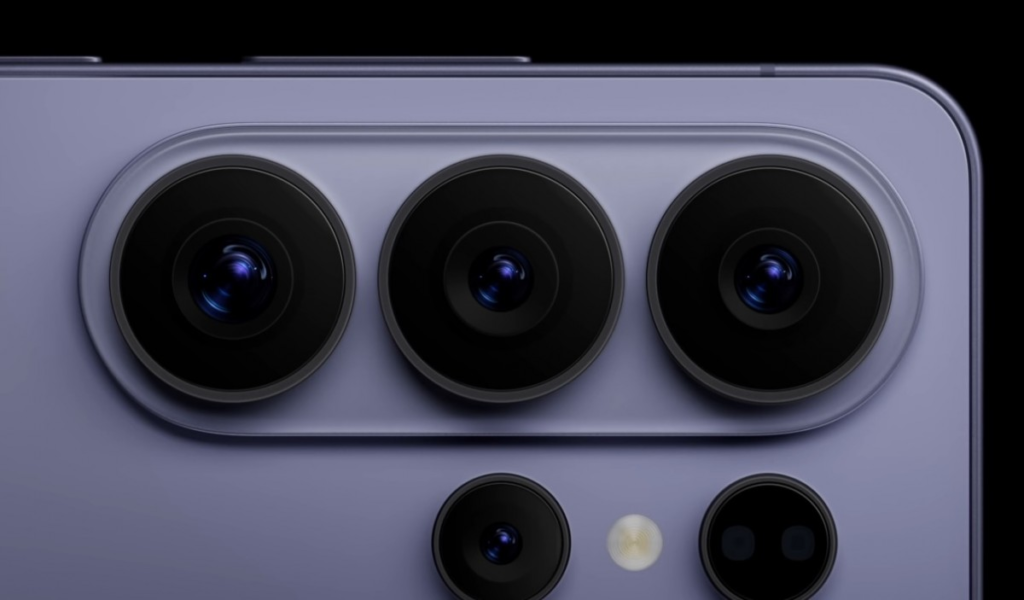
The tipster also reports that this upcoming sensor will support Samsung’s LOFIC technology a feature that could enhance its imaging capabilities. Even though there is no clear statement connecting this sensor to the Galaxy S27 Ultra many experts expect that the company will introduce it in its next Ultra class flagship continuing its tradition of placing the latest camera innovations in its top tier devices.
Meanwhile, another prominent tipster, Ice Universe shared a slightly different perspective. According to his claims the Galaxy S27 Ultra will not use the HPA sensor directly but will instead feature a modified version reportedly called HP6. Although it comes with a slightly smaller 1/1.3 inch sensor size it is expected to deliver performance comparable to the larger HPA sensor.
The Galaxy S27 series is still roughly a year away from its expected launch which means we can anticipate plenty more leaks and rumors to emerge over the coming months. In this context, many observers are hoping that Samsung will take the opportunity to finally enhance the camera hardware on its flagship S series which has been using largely the same sensors without major upgrades for the last four years.