Key Takeaways from Apple’s Foldable iPhone Ultra: 4 Questions You Definitely Want to Know
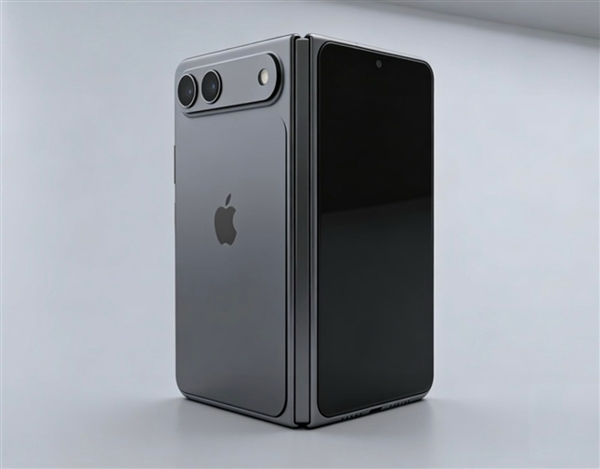
Apple is reportedly planning to release a foldable screen phone, rumors of which have been circulating for years. Based on information from the supply chain, analysts, and well-known leakers, this wide-screen foldable phone, unlike any other large foldable phones on the market, seems poised for release and will most likely be officially launched in the second half of this year. Today, we’ve compiled some key information for you; you might find the news you’re looking for.
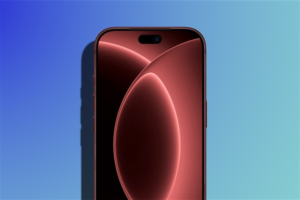
Based on the latest leaks, this foldable device may be called the iPhone Ultra, previously rumored to be the iPhone Fold. The “Ultra” name might indicate that Apple is aiming for a higher-end product, rather than just a simple foldable form factor device.
Foldable phone or tablet with calling capabilities?
Currently, most foldable phones on the market face a design choice: whether to resemble a phone with a large screen or a foldable tablet. Clearly, current foldable phones have opted for the former, as they are almost indistinguishable from regular candybar phones when folded.
Some people might take this for granted, but in reality, this external screen ratio corresponds to an internal screen ratio that doesn’t represent the most intuitive large-screen usage. In this case, the internal screen is taller than wide, so to get a wider field of view for videos and games, you have to rotate the phone 90 degrees.
OPPO’s first-generation foldable screen, the Find N, was designed with this in mind. The OPPO Find N uses a 7.1-inch 8.4 (height):9 (width) aspect ratio internal screen, which can provide the maximum video game field of view without having to flip it 90°.
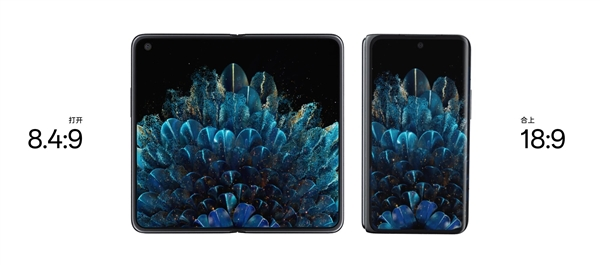
Accompanying it is a 5.49-inch external screen with an 18:9 aspect ratio. The external screen is 63mm wide, balancing the grip and typing experience, a result of repeated testing by OPPO.
As for why OPPO didn’t adopt this design later, I speculate that the trend of making foldable screens thinner and lighter forced the screen size to be increased to accommodate a larger capacity battery, while the width of the outer screen could not be controlled to a comfortable operating size.
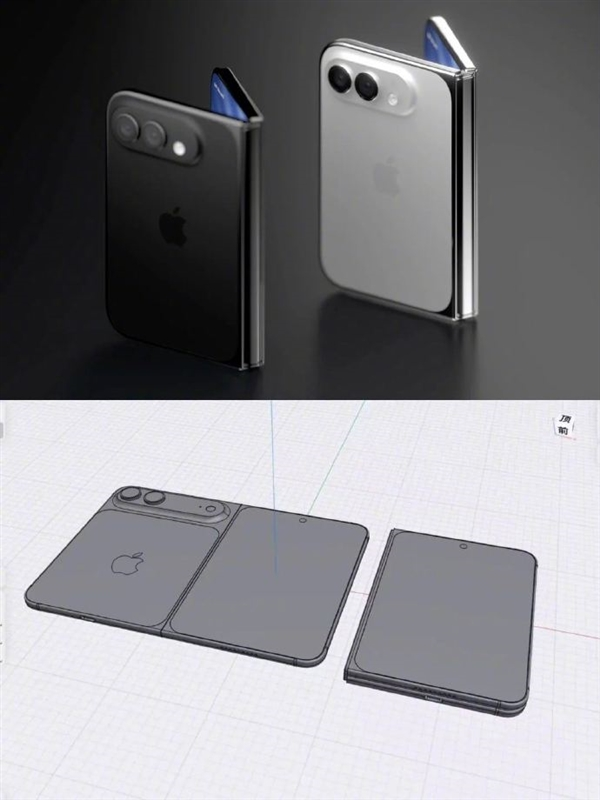
Here’s the interesting part: Apple’s iPhone Ultra uses a size that prioritizes the inner screen experience. The inner screen is 7.8 inches with a 3:4 aspect ratio. The more aggressive width makes its 5.5-inch outer screen appear rather “short and wide.”
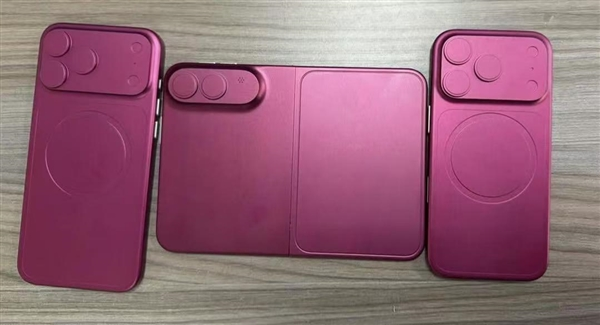
However, it wouldn’t be surprising if Apple made any kind of outer screen; loyal Apple fans would support it no matter what. Besides, other brands are already following suit with wide-ratio folding screens. Ultimately, the manufacturer’s choice isn’t important; market acceptance is the final criterion.
Even Apple has to make compromises in order to achieve a thinner and lighter design.
When it comes to the iPhone Air, features like a single speaker, eSIM, a single camera, and a reduced battery capacity demonstrate that even a company as powerful as Apple has to compromise when faced with physical limitations. Therefore, the iPhone Ultra, which prioritizes a slim and lightweight design, will inevitably not be an all-around top-of-the-line product.
Based on current information, the iPhone Ultra will be 4.5mm to 4.8mm thick when unfolded, nearly 1mm thinner than the iPhone Air; when folded, it will be 9mm to 9.5mm thick, similar to the iPhone 17 Pro’s 8.75mm.
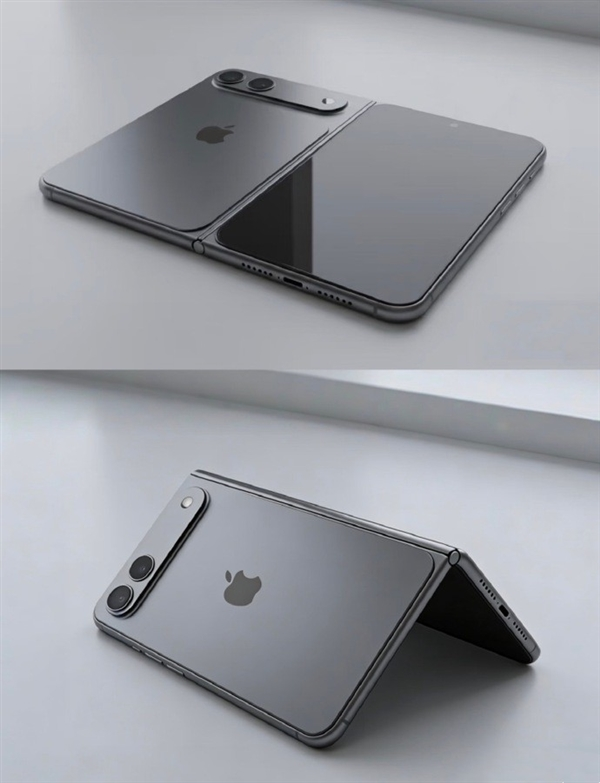
At this thickness, the following configurations will be affected—
1. Face ID has been cancelled.
Because the body is too thin, and the front-facing camera area doesn’t have the rear camera bump like the iPhone Air, there’s no room for a 3D structured light module. Rumors suggest that the iPhone Ultra’s biometric authentication has been changed to Touch ID on the side of the device, essentially a fingerprint sensor.
This is understandable, since most other large folding phones nowadays have side-mounted fingerprint sensors.
2. Only eSIM option available
Just like the iPhone Air, it has removed the physical SIM card slot and can only use eSIM.
The eSIM experience has its pros and cons. The advantage is that you no longer have to worry about thieves stealing your SIM card if your phone is lost. The disadvantage is that changing your SIM card is indeed more troublesome.
3. Dual cameras, but may lack a telephoto lens.
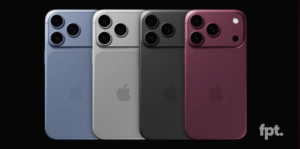
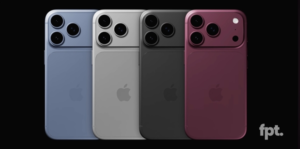
The iPhone Ultra only features a dual-lens rear camera. It’s speculated that the dual cameras on the iPhone Ultra will be 48MP wide-angle and ultra-wide-angle lenses (the same configuration as the standard iPhone 17), without a telephoto lens.
Some readers may be concerned about battery capacity, but this shouldn’t be a major issue. The 2nm A20 Pro SoC theoretically offers better energy efficiency, and the wider body also provides more space for the battery.
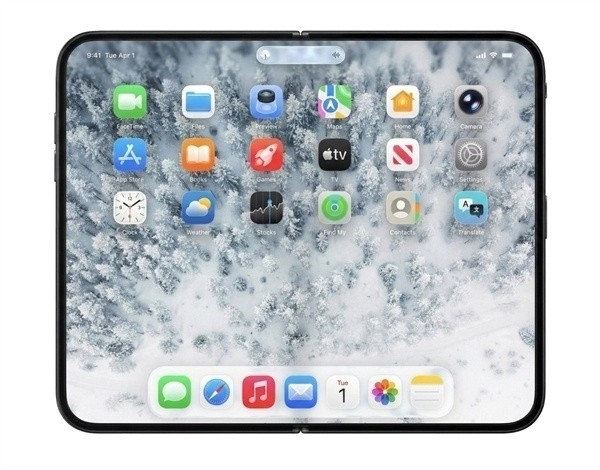
It’s worth mentioning that rumors suggest the iPhone Ultra will feature an under-display camera. While under-display cameras generally produce inferior image quality, their use is relatively infrequent, and the benefits of a hole-free, full-screen design might be more significant.
With a smaller crease on the inner screen, is Apple learning from OPPO’s experience?
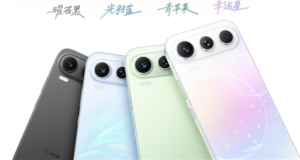
Reports suggest that the iPhone Ultra’s folding design was inspired by the OPPO Find N6. Jiangsu Lead Intelligent Equipment Co., Ltd., a core component supplier for the OPPO Find N6, focuses on breakthroughs in crease control and is also a technology supplier for Apple.
Regardless of whether it’s true or not, the crease on the OPPO Find N6 is indeed impressive. Through two cutting-edge technologies, namely the “new generation titanium alloy dome hinge” and “dome memory glass,” the crease depth is controlled to within 0.1mm, making it almost invisible from a direct viewing angle. Even after 600,000 folding tests, the crease increase is still less than 0.03mm.
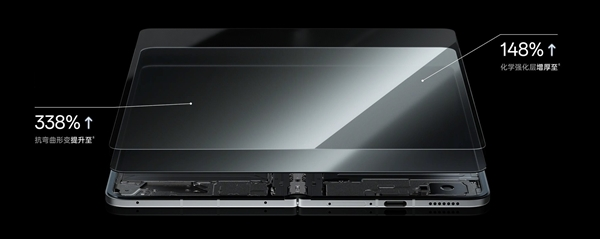
Some foreign media outlets have reported that Apple has abandoned the traditional complex mechanical hinge design and developed a “smart glass layer” that changes the physical properties of the glass when it bends to ensure that the screen maintains extremely high strength and clarity after repeated folding, reducing or even completely eliminating visible creases.
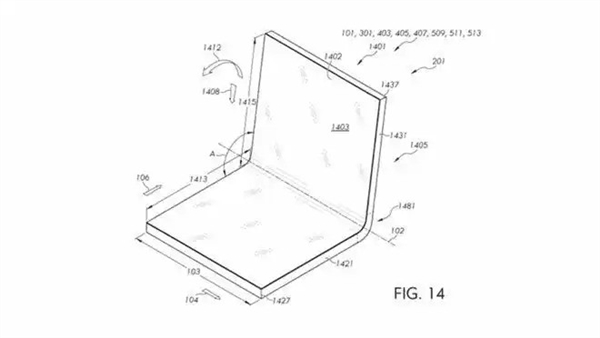
However, this technology sounds somewhat futuristic at the moment, and on April 7th, news broke that Apple’s foldable screen encountered engineering difficulties. Whether the final technology of the iPhone Ultra will truly be so advanced remains to be seen, pending further updates.
Bring iPad operation to your phone
Besides its form factor, the user experience on the large screen is also a major highlight. Thanks to its 3:4 aspect ratio and size similar to the iPad mini, theoretically, the current iPad’s compatibility and interaction can be ported to the iPhone Ultra.
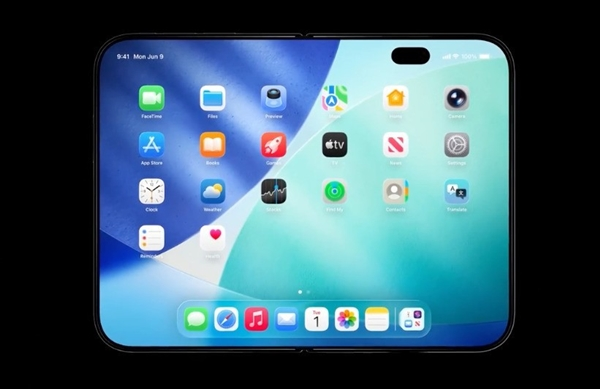
However, the iPhone Ultra still runs iOS, not the full iPadOS, which means that not all iPad features will be available on the phone. After all, Apple has a very clear product line structure, just like how the iPad Pro and MacBook used the same chip but different operating systems.
In conclusion
As an Ultra model, its price naturally reflects its high-end status. It’s rumored that the starting price for the Chinese version of the iPhone Ultra will be around 15,000 yuan, with the top-of-the-line version easily exceeding 20,000 yuan. The new phone is expected to be unveiled alongside the iPhone 18 Pro series at the autumn launch event in September.

Kazam is Focused on creating and reporting timely content in technology with a special focus on mobile phone technology. Kazam reports, analyzes, and reviews recent trends, news and rumors in mobile phone technology and provides the best possible insights to enhance your experience and knowledge.