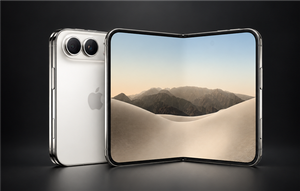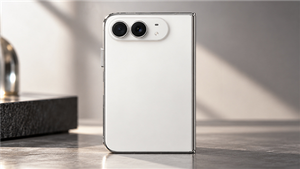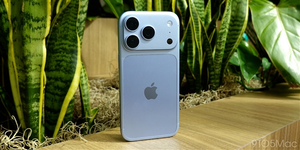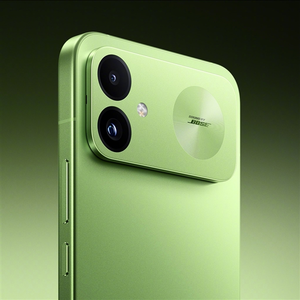
Is the iPhone Air 2, which addresses the shortcomings in camera performance and battery life, still worth the wait?
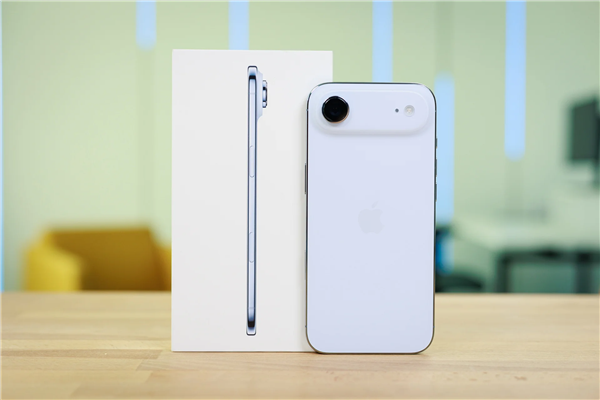
In an era where the smartphone market is collectively locked in a fierce competition between “half-weight phones” and “all-rounder flagships,” Apple’s previously launched iPhone Air, with its ultra-thin and lightweight design, garnered a large following of fans who love slim and lightweight phones.
However, the compromises made in battery life, performance, and imaging have deterred many consumers. The good news is that Apple hasn’t discontinued this product line, and the iPhone Air 2 may be able to address these shortcomings.
The blogger “Digital Chat Station” has revealed major information about the next-generation iPhone Air 2, stating that it “may be the only ultra-thin flagship next year.” So, what changes does this comprehensively evolved second-generation ultra-thin flagship bring? And is it worth waiting another year?
Based on the information currently available, the iPhone Air 2’s experience upgrades are mainly reflected in the following three aspects.
1. Solve the battery life problem
A 3500mAh battery isn’t large, and it’s not a significant improvement over the 3149mAh of this generation of iPhone Air. However, the A20 chip’s 2nm process technology theoretically offers better energy efficiency, so its battery life should definitely be better than the iPhone Air’s.
Based on our actual testing, after a 5-hour comprehensive battery life test, the iPhone Air had 55% battery remaining, which is significantly lower than the top-tier products (around 80% remaining).
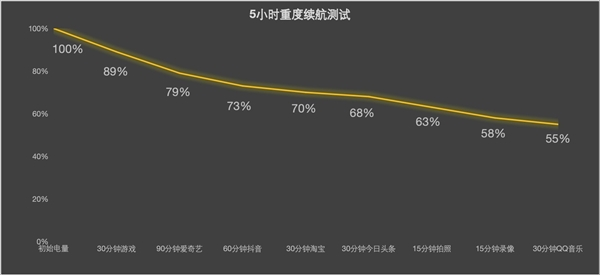
The iPhone Air 2 is unlikely to have top-tier battery life, but improving from charging two or three times a day for light to moderate use to charging once or twice a day is a significant improvement in user experience.
2. The overheating and lag issues have improved.
The 2nm A20 chip theoretically offers better heat and power consumption control, which can alleviate the heat dissipation problems caused by insufficient heat dissipation in ultra-thin and light bodies to some extent. Of course, we shouldn’t have too high expectations for 2nm; heavy performance release is still unrealistic for ultra-thin and light bodies.
3. Imaging has a wider range of applications.
Generally speaking, ultra-wide-angle lenses are indeed used less often than main cameras and telephoto lenses, but when shooting distances are limited, the lack of an ultra-wide-angle lens becomes quite inconvenient. For example, when shooting a video of a large handheld object, only an ultra-wide-angle lens can handle the task.
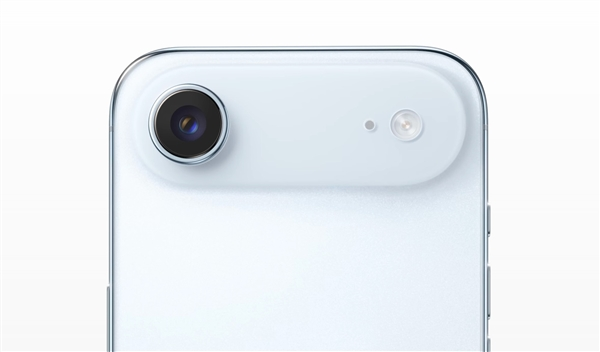
So, is the iPhone Air 2 finally without any shortcomings, making it a safe purchase? Not entirely. A closer look reveals that these three major experience upgrades aren’t exactly generational leaps in the conventional sense, but rather address and fill gaps in existing features. In other words, they’ve made the pain points experienced by first-generation iPhone Air users less pronounced, although compared to regular flagship phones, those pain points are still quite significant…
Ultra-thin and lightweight is great, but it’s too selective in terms of who can wear it.
With a thickness of 5.64mm and a weight of 165g, the first-generation iPhone Air was indeed undeniably thin and light, making it irresistible. However, for a smartphone in 2026, it was too one-dimensional. Between ultra-thin and lightweight designs and a more balanced approach, consumers generally opted for the latter, as evidenced by the sales figures of the iPhone series and the disappearance of ultra-thin and lightweight domestic models.
In fact, the problems with the iPhone Air that make it difficult to use are not limited to the battery life and camera issues mentioned above. For example, the single speaker and USB 2.0 are outdated features that are not elegant for a product that is not exactly low-end.
At the same time, the mandatory application of eSIM does have some factors that affect convenience. Although it solves the problem of losing the phone and having the SIM card removed, users still have to go to the service center if they want to change the card.
Therefore, the Air product line seems more like a niche group customized for those with limited usage scenarios and low demands, but who want an ultra-thin and lightweight design. It doesn’t aim to provide an all-around experience, but only to satisfy specific needs and desires.
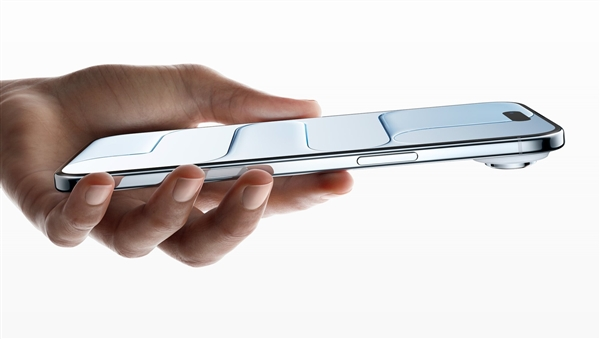
That’s why some people think the iPhone Air is a truly wonderful thing, while others simply categorize it as trash.
Is it worth waiting for the iPhone Air 2?
Once you understand the essence of the Air series, the question becomes clear. If you’re using it as your primary phone, your usage needs will be very light. However, if you value audio-visual effects, gaming experience, or need to use it outdoors or for extended periods of mobile work, this is not recommended.
However, if you have additional entertainment and work equipment, such as a small tablet, then pairing it with an iPhone Air is a good choice: put heavy tasks on the small tablet for a better performance experience and longer battery life; put light applications such as Weibo, WeChat, web browsing, and shopping on the phone for an ultra-lightweight and low-burden experience.
In conclusion
The emergence of the iPhone Air showed us Apple’s determination to challenge the limits of physics, while the leaked iPhone Air 2 demonstrates Apple’s ambition to use cutting-edge technology to compensate for the cost of high aesthetics.
While the iPhone Air 2, as “perhaps the only ultra-thin flagship next year,” still suffers from a somewhat unbalanced user experience due to current physical limitations, it offers a better basic experience for ultra-thin form factors enthusiasts, providing a more comprehensive answer. Would you buy the iPhone Air 2? Feel free to discuss in the comments section.

Kazam is Focused on creating and reporting timely content in technology with a special focus on mobile phone technology. Kazam reports, analyzes, and reviews recent trends, news and rumors in mobile phone technology and provides the best possible insights to enhance your experience and knowledge.