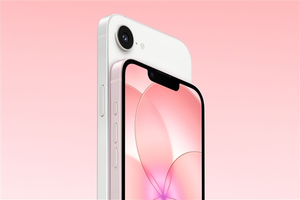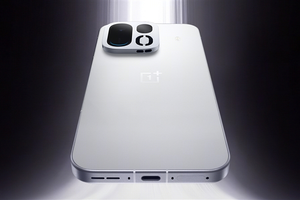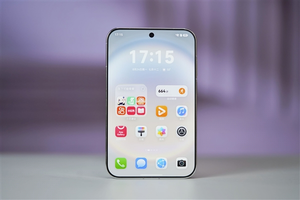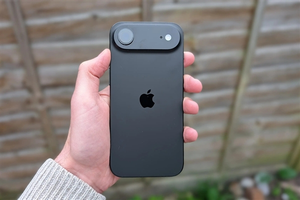
The iPhone Air 2 features a new ultra-wide-angle lens and a larger battery capacity.
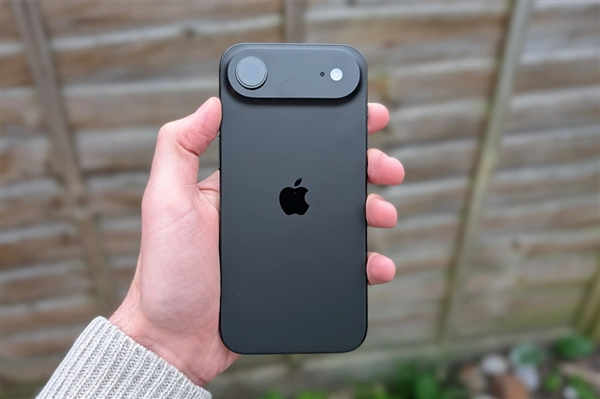
According to a blogger’s report on October 29, Apple’s second-generation ultra-thin iPhone Air 2 has entered the initial testing phase.
The new phone will feature a 6.55-inch 120Hz LTPO flat screen, an A20 series chip, a 48MP dual rear camera, and a larger battery capacity. Compared to its predecessor, the most noticeable change in the Air 2 is the addition of an ultra-wide-angle lens, while battery life has also been extended.
Looking back at the first-generation iPhone Air, in pursuit of a 5.6mm ultra-thin design, the battery capacity was significantly reduced, resulting in poor battery life under heavy use; the rear camera only had a single main camera, lacking ultra-wide-angle and telephoto lenses, which limited shooting scenarios; the pure eSIM design was inconvenient to use in China, which also deterred many consumers. These trade-offs directly affected its market performance.
Due to weaker-than-expected market performance, the iPhone Air saw a price drop of 2,000 yuan on major e-commerce platforms in January this year. With the national subsidy, the price started at 5,499 yuan, making it arguably the fastest and most drastic price reduction for a new iPhone ever.
The upgrade strategy for the iPhone Air 2 is clear: without abandoning its slim and lightweight positioning, prioritize addressing the two biggest shortcomings that affect daily user experience. The addition of an ultra-wide-angle lens allows the dual-camera setup to cover more shooting scenarios; the increased battery capacity is expected to alleviate the battery anxiety that was the most criticized aspect of the first generation.
However, compromises remain with the Air 2. Leaks indicate that the phone will still not feature a dedicated telephoto lens, resulting in a significant gap in telephoto capabilities compared to the Pro series; it will also continue to support only eSIM, with a physical SIM card slot still absent.
Overall, the iPhone Air 2 is a targeted upgrade, addressing the two most obvious shortcomings of the first generation. However, its slim and lightweight design means that it still has to make trade-offs in terms of camera and SIM card solutions.
Whether it can escape the situation of being “praised but not popular” will ultimately depend on its product strength and price. The new product is expected to be launched in the first half of next year.


Kazam is Focused on creating and reporting timely content in technology with a special focus on mobile phone technology. Kazam reports, analyzes, and reviews recent trends, news and rumors in mobile phone technology and provides the best possible insights to enhance your experience and knowledge.