Memory upgrades and screen replacements/downgrades! iPhone 18’s price-cutting strategy sparks controversy.
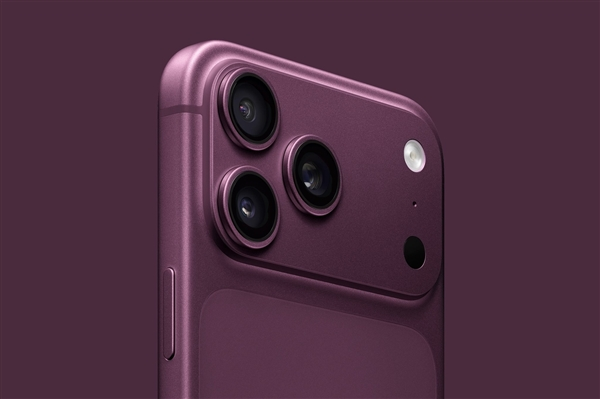
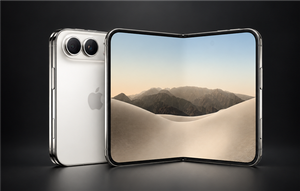
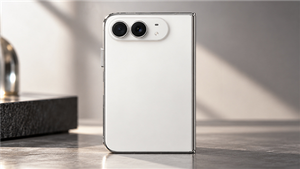
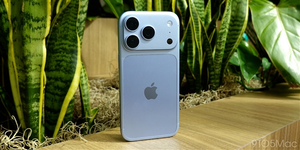
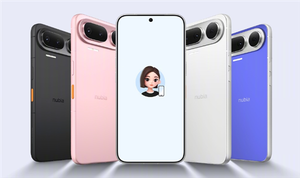
Recent leaks about the iPhone 18 series continue to escalate, with the standard model potentially being upgraded to 12GB of RAM, aligning with the Pro series in terms of memory specifications. However, the trade-off is that the screen material will revert to the same M12+ OLED panel used in the 2022 iPhone 14 Pro, sparking heated discussions in the industry.
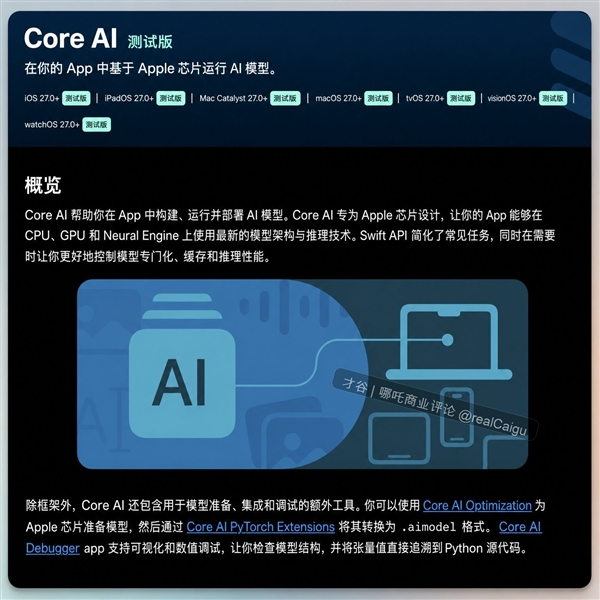
The core driving force behind this memory upgrade is Apple’s effort to remove hardware obstacles for the deployment of large-scale AI models on devices. Previously, the standard iPhone 17’s 8GB of RAM was insufficient to support the complex AI functions in later iOS updates, while running large-scale models on devices at the 7B level locally requires at least 10GB of RAM to ensure smooth operation.
Apple has always been conservative with memory specifications. This upgrade to 12GB for the standard version is essentially a key adjustment to fully adapt Apple Intelligence in iOS 27, which also confirms that the hardware requirements of AI features are reshaping industry standards.
However, behind the memory upgrade lies a clear trade-off between cost and user experience. The standard iPhone 18 may abandon the M14 luminescent material used in the iPhone 17 and instead adopt the older M12+ screen. This adjustment is interpreted by the industry as Apple’s differentiation strategy: controlling costs by reusing inventory, while using screen specifications to differentiate the experience levels between the standard version and the Pro series, ensuring the premium pricing of high-end models.
For ordinary users, although the M12+ screen is not as good as the new substrate in terms of peak brightness and power consumption control, the difference in daily display effect is not obvious. The difference is more in the experience in professional scenarios.
Beyond hardware leaks, Apple’s AI narrative is facing a lukewarm reception from the capital markets. Following the unveiling of the new Siri AI at WWDC, Apple’s stock price fell by over 3%, with investors expressing clear dissatisfaction with the pace and scale of its AI development. While the newly released Siri AI supports multi-turn conversations and cross-application collaboration, its vague release date and conservative updates have failed to meet the market’s high expectations.
Several mainstream analysts have stated that Apple’s AI updates are more about “filling gaps” than “leading innovation,” and its competitiveness has not yet been demonstrated compared to the on-device AI features already implemented in the Android camp.
Renowned analyst Ming-Chi Kuo believes that Apple’s AI services have the potential to become a new revenue stream, but the current features lack differentiated highlights. Another analyst pointed out that the unclear release date of the new Siri may wear down market patience and affect users’ willingness to upgrade.
Editor’s Review:
The memory upgrade of the standard iPhone 18 is essentially a passive adaptation by Apple to the AI era, while the screen downgrade exposes its anxiety about cost control and product segmentation.
Whether Apple’s AI narrative can boost iPhone sales hinges not on improving hardware specifications, but on whether it can launch AI features that truly deliver value to users. Currently, market confidence in Apple’s AI is lacking, and stock price fluctuations directly reflect this expectation gap.
For consumers, the standard iPhone 18 with 12GB of RAM is more like an investment in “paying for the future,” and whether its AI experience can deliver remains to be seen.

Kazam is Focused on creating and reporting timely content in technology with a special focus on mobile phone technology. Kazam reports, analyzes, and reviews recent trends, news and rumors in mobile phone technology and provides the best possible insights to enhance your experience and knowledge.