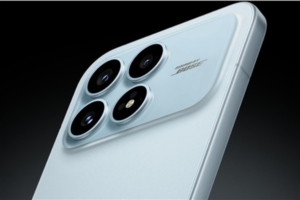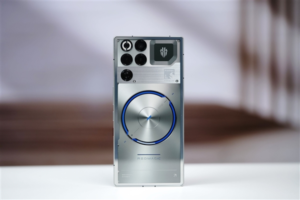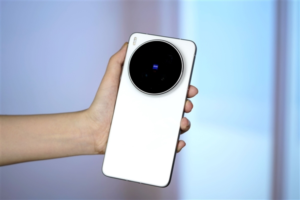
REDMI Turbo 5 series is scheduled for release on January 29th! It will debut with the Dimensity 9500s.
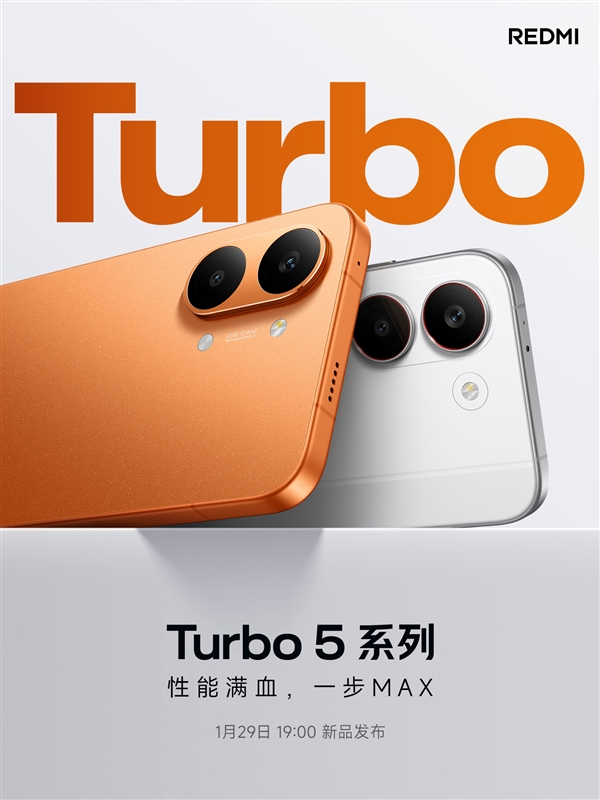
REDMI Turbo 5 series has announced its release date, officially launching on January 29 at 19:00.
Meanwhile, the official website also released new images of the phones, showing that the two new REDMI Turbo 5 series phones maintain a similar design, adopting a minimalist style with vertically arranged dual cameras, which is clean and neat.
The series includes two models: REDMI Turbo 5 and REDMI Turbo 5 Max.
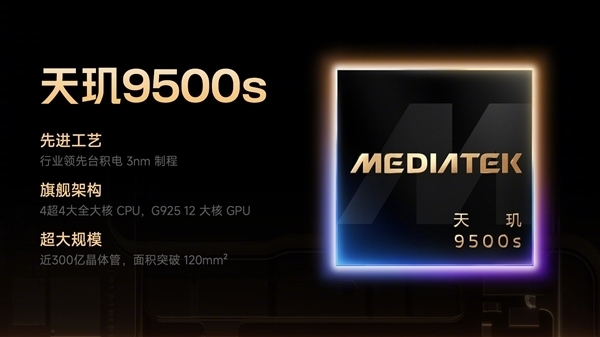
Among them, the Turbo 5 Max will be the first to be equipped with the flagship chip of the generation – Dimensity 9500s, which adopts TSMC’s 3nm process technology. The CPU is an 8-core design, consisting of 1 X925 super core, 3 X4 super cores and 4 A720 big cores, and also integrates Mali Immortalis-G925 MC12 GPU.
Thanks to the powerful performance of the Dimensity 9000s, the REDMI Turbo 5 Max achieved a lab score of over 3.61 million, securing the top spot in its class.
In terms of actual experience, it also leads all models in the 2.5K price range. In a 30-minute test of a large-scale 3D turn-based game with the highest graphics settings, it achieved a full frame rate of 59.5fps, and a 1% low frame rate of 29.2fps, significantly outperforming its competitors.
In addition to performance, the Turbo 5 Max will also be equipped with the largest Xiaomi Jinshajiang Battery ever, with a capacity of 9000mAh, supporting 1600 long cycles.
The first sale includes a five-year battery warranty. If the system battery health drops below 80% within five years, the official warranty will be replaced free of charge.
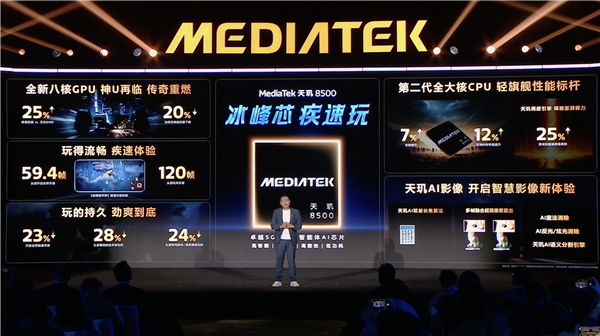
As for the standard Turbo 5, it is equipped with MediaTek’s new generation mid-range powerhouse, the Dimensity 8500, and is manufactured using TSMC’s N4P process.
The CPU uses a second-generation all-big-core architecture, consisting of 1*3.4GHz Cortex-A725 + 3*3.20GHz Cortex-A725 + 4*2.20GHz Cortex-A725; the GPU uses Mali-G720 MC8, with peak performance improved by 25% compared to the previous generation, and supports flagship-level ray tracing.

Kazam is Focused on creating and reporting timely content in technology with a special focus on mobile phone technology. Kazam reports, analyzes, and reviews recent trends, news and rumors in mobile phone technology and provides the best possible insights to enhance your experience and knowledge.