OPPO has truly mastered the art of screen display and eye protection.
Smartphone screens have evolved to the point where almost every notable specification has been upgraded: 2K resolution, 1-120Hz adaptive refresh rate, peak brightness of several thousand nits… the numbers keep getting bigger and bigger, but users’ perception of them is becoming increasingly dulled. I wonder if anyone else has had this feeling: you’re excited watching the launch event, but when you actually hold the device, you find that it doesn’t seem that much different.
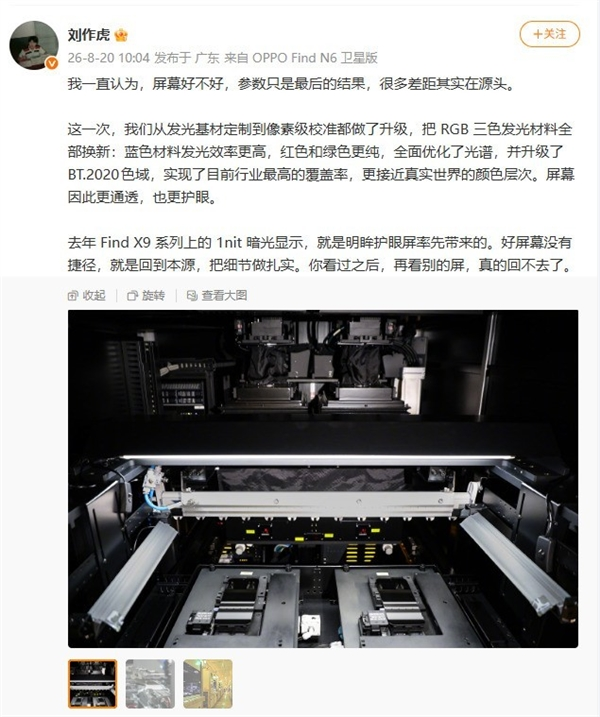
Where does the problem lie? A recent Weibo post by OPPO’s Chief Product Officer, Liu Zuohu, provided a rather practical answer: “Whether a screen is good or not, the specifications are just the final result; many differences actually lie at the source.” Along with this Weibo post, OPPO officially announced its new generation of dual-production-line screen technology—a full-chain upgrade from customized light-emitting substrates to pixel-level calibration.
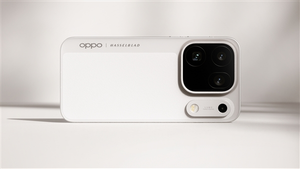
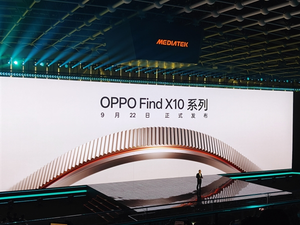
Given the current product cycle, it’s almost a given that this technology will be featured in the upcoming Find X10 series. Let’s break down this upgrade based on the official information released.
Dual production lines: Bringing the screen competition back to its “source”.
Let me first explain a concept: What is a “dual production line”?
This system isn’t new. When the Find X9 series was launched last year, OPPO unveiled its first self-developed dual screen production line: one is a customized high-specification screen production line, responsible for hardware manufacturing from luminescent materials to modules, described by the head of the OPPO Find series as “full control from wafers to modules”; the other is its own display science production line, responsible for precise calibration of each screen and sub-pixel before shipment. One line ensures “high-quality manufacturing,” and the other ensures “precise calibration,” together covering the entire supply chain.
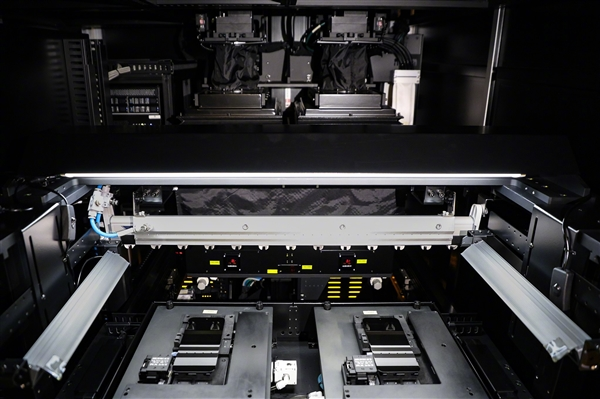
The significance of this project is evident from the investment made. According to public reports at the time, OPPO invested over 1 billion yuan in this dual production line and maintained a collaborative innovation relationship with screen supplier Tianma for 13 years. It also used its self-developed Display P3 screen display chip to achieve real-time sub-pixel calibration at the micron level.
The Find X9 series’ world-first all-scenario 1nit eye-protection screen is the first answer sheet delivered by this system—the minimum brightness of traditional screens can often only be reduced to 2-5 nits, but it has been reduced to 1 nit, so browsing the phone in the dark at night is no longer glaring, and it has also won 8 authoritative certifications, including the TÜV Rheinland Gold Label for eye protection.
This time, the dual production lines have undergone a complete iteration. In the words of OPPO’s official Weibo account, the new generation of dual screen production lines “achieves a full-chain display upgrade, from substrate customization to pixel-level calibration.” In other words, this is not a matter of tweaking one or two parameters, but a complete system upgrade from the materials end to the calibration end.
All RGB three-color materials have been replaced: the upgrade has shaken the very foundation.
A crucial part of this upgrade, as Liu Zuohu put it bluntly, is replacing all the RGB three-color light-emitting materials.
Why emphasize “all”? Every pixel of an OLED screen is composed of three light-emitting materials: red, green, and blue. These materials are the foundation of the screen—if the foundation isn’t changed, no matter how you decorate it, there will always be a ceiling. This upgrade of the three materials focuses on different aspects: the blue material has higher luminous efficiency, while the red and green materials are purer.
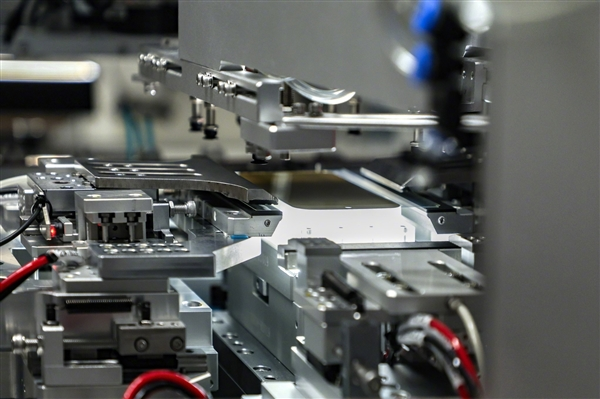
The issue of blue light efficiency deserves a few more words. In the OLED material system, blue light materials have long been a bottleneck in efficiency: driving them requires high energy, but the conversion efficiency is relatively low, which also directly affects the screen’s lifespan.
Improved efficiency of blue materials means lower power consumption for the same brightness. Conversely, this allows for brighter outputs with the same power consumption, while also reducing heat generation and aging concerns. For users, this translates to a triple benefit: improved brightness, longer battery life, and increased durability.
The increased purity of red and green materials directly impacts color accuracy. The purer the luminescent material, the cleaner the emitted spectrum with less noise. As the purity of the three primary colors increases, the color gamut coverage naturally expands. OPPO’s official result is: BT.2020 color gamut coverage reaches a new industry high (this is the official statement).
Some people may not be familiar with BT.2020. It’s a wide color gamut standard for ultra-high-definition displays, with a much larger color range than the DCI-P3 standard commonly found on mobile phones. To put it roughly, the reds and greens that P3 can display are only a portion of the BT.2020 color gamut. The improved coverage brings concrete changes to the user experience: the transitions in sunsets are more delicate, the layers of green leaves are more distinct, and the colors displayed on the screen are closer to what the human eye sees in the real world.
Of course, we must also say something fair: “colors are infinitely close to the real world” is the official statement, and we should view it rationally. Color gamut coverage determines the upper limit of color capability, but whether a screen actually looks accurate and comfortable depends on the skill of screen-by-screen calibration—this is precisely the significance of the display science production line in the dual production lines. Materials determine the upper limit, and calibration safeguards the lower limit; both are indispensable.
What is “beneficial red light”?
Another noteworthy statement in Liu Zuohu’s Weibo post is that the upgrade of red materials brings “beneficial red light,” making the screen “more transparent and easier on the eyes.” How can red light be eye-friendly? Here’s a simple explanation to clarify the boundaries and avoid exaggeration.
Our eyes treat different wavelengths of the spectrum very differently. Short-wavelength blue light with wavelengths around 415-455nm has higher energy. It is generally believed in the academic community that excessive exposure to short-wavelength blue light may put photochemical stress on the retina and inhibit melatonin secretion and interfere with sleep rhythms. This is why “low blue light” has become the standard feature of eye-protection screens in recent years.
Meanwhile, the long-wavelength red light at the other end of the spectrum (approximately 620-760nm) is much gentler. The real logic behind making “beneficial red light” on mobile phone screens is actually the optimization of the spectral formula: by using purer red luminescent materials and overall spectral design, the composition of screen light is made more reasonable and closer to the distribution of natural light, thus reducing the proportion of unfriendly components in the spectrum while ensuring color performance.
OPPO has come a long way on the path of long-termism.
If you only look at this official announcement, you might think that OPPO has suddenly made a big push in screens. But if you look at the longer timeline, you’ll find that this is a plan that has been brewing for many years.
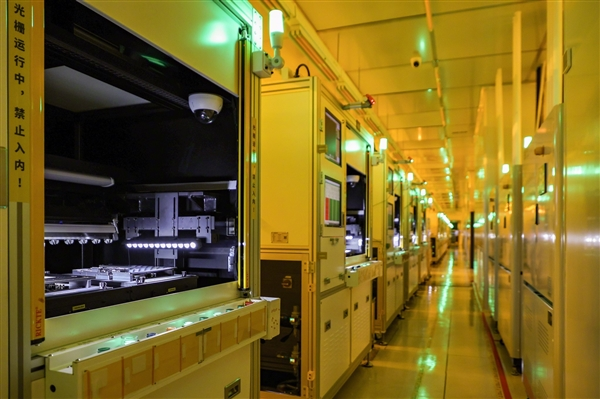
Last year, the Find X9 series was the world’s first to launch a full-scenario 1nit eye-protection screen, making “eye protection in low light” a hot topic in the industry. According to information on OPPO’s official website, behind that screen is the combination of the first self-developed dual screen production line, exclusive screen-by-screen sub-pixel calibration, and self-developed Display P3 screen chip.
Liu Zuohu specifically revisited the 1nit milestone on Weibo this time, and his intention was quite clear: the new generation of screens is not starting from scratch, but rather a further development along the same technological path—material upgrades, spectral optimization, and calibration upgrades are all built upon the existing production line system.
Screens are a typical example of capital-intensive, long-term investments, and precisely the touchstone of “long-termism.” The selection and verification of luminescent materials, the refinement of production line processes, and the accumulation of screen-by-screen calibration algorithms cannot be accomplished in a single quarter’s intensive effort.
From investing 1 billion in production lines to collaborating with the upstream supply chain for over a decade, and pushing the calibration accuracy forward with each generation of products—this approach of “returning to the basics and focusing on the details” may seem clumsy in the short term, but it forms a strong competitive advantage in the long run.
What can we expect from the Find X10?
Based on the information released by the official sources so far, the outlook is optimistic. A new generation of dual production lines forms the foundation, RGB tri-color luminescent materials have been completely upgraded, BT.2020 color gamut coverage has reached a new level, and a more reasonable spectral design—all three dimensions—color, brightness, power consumption, and eye protection have clear upgrade goals. If these technologies are fully implemented as scheduled, the screen experience of the Find X10 will likely be a step further than that of the Find X9.
Of course, ultimately, the quality of a screen is judged by the eyes. Specifications and manufacturing processes determine its capabilities, and the actual viewing experience remains to be seen until hands-on testing. But at least one thing is certain: when a manufacturer is willing to invest in the “invisible” aspects like luminescent materials and production lines, rather than just rattling off figures at launch events, the lower limit of that screen’s quality is already guaranteed.

Kazam is Focused on creating and reporting timely content in technology with a special focus on mobile phone technology. Kazam reports, analyzes, and reviews recent trends, news and rumors in mobile phone technology and provides the best possible insights to enhance your experience and knowledge.