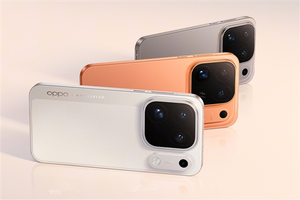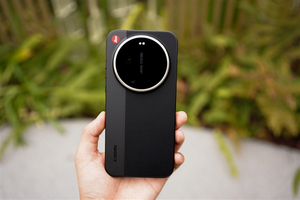
OPPO Find X10 Hands-on: The Standard Edition with Superb Imaging Capabilities
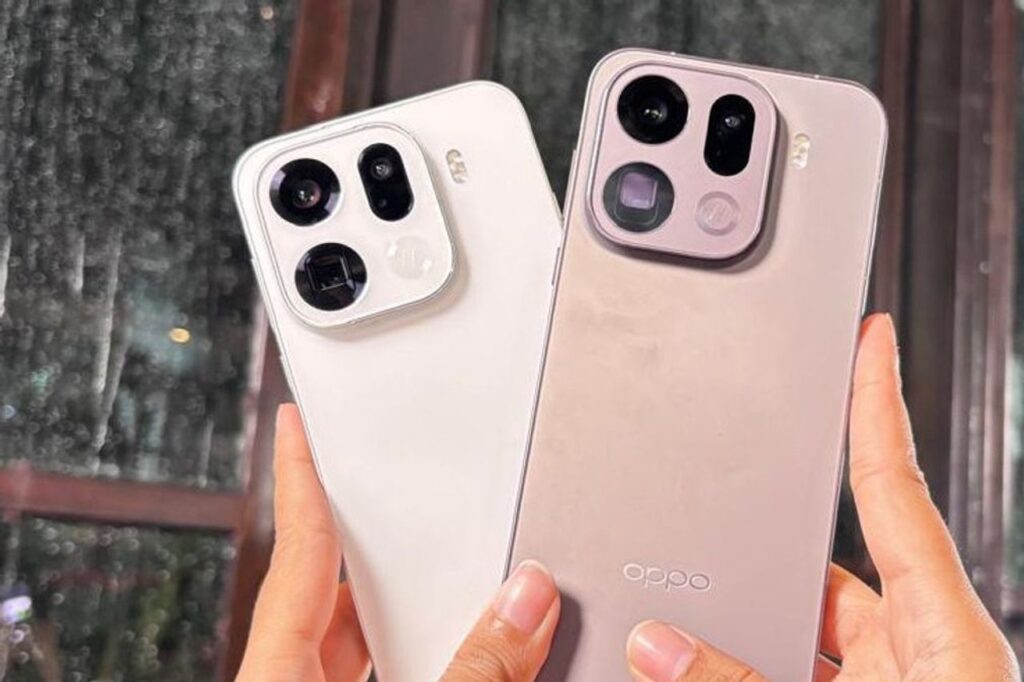
When buying a flagship phone these days, imaging has become an unavoidable feature. But for most people, photography needs aren’t actually that complicated: clear everyday snapshots, coverage of different focal lengths for travel, good-looking portraits, and decent low-light and telephoto capabilities. By these standards, the OPPO Find X10’s imaging configuration is quite comprehensive.
This time, the OPPO Find X10 standard version features dual 200-megapixel lenses, with a rear camera consisting of a 200-megapixel Hasselblad ultra-clear main camera, a 200-megapixel Hasselblad ultra-clear telephoto lens, and a 50-megapixel ultra-wide-angle lens. Compared to the imaging configurations commonly found in previous standard versions, the biggest change in this combination is that both the main camera and the telephoto lens have higher detail reserves.
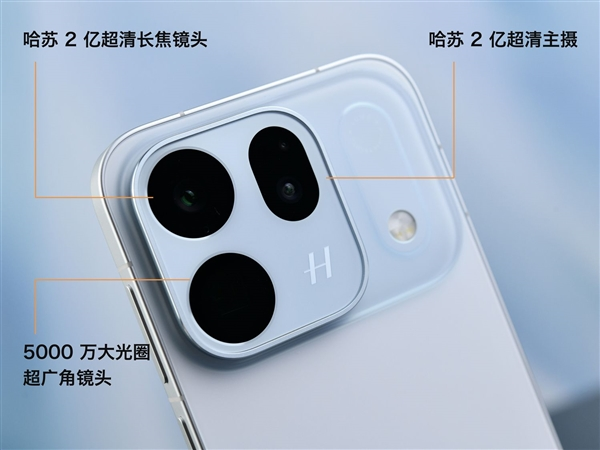
The significance of 200 million in sales becomes even more apparent when magnified.
The most obvious advantage of high pixel count is the detail.
This experience is especially noticeable when shooting portraits. With a 200-megapixel sensor and a 1/1.56-inch large sensor, details such as hair, skin texture, and makeup can be preserved quite well.

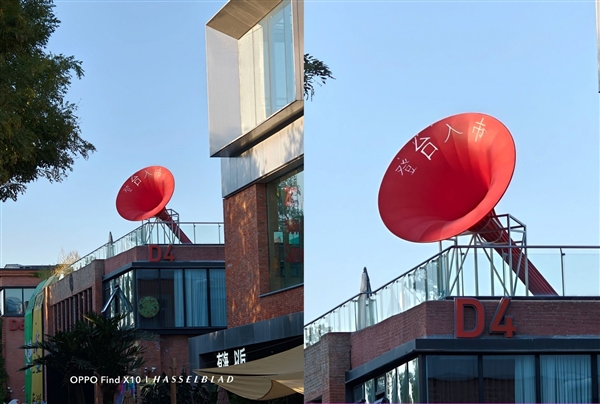
Judging from actual sample photos, the OPPO Find X10’s main camera achieves high resolution in well-lit environments, preserving details such as building textures, foliage, and distant text. Even after cropping, the image retains sufficient detail, making it very useful for recomposing photos after a trip or editing pictures for social media.
The OPPO Find X10’s 200MP main camera can also cover commonly used focal lengths such as 2X through cropping. During shooting, there’s no need to frequently move forward or repeatedly switch lenses to recompose the shot; you can simply take the picture and then crop it appropriately, resulting in a highly usable image.
This is even more noticeable when photographing people. High resolution preserves details such as hair, clothing texture, and facial features, making the image hold up even when magnified. For users who like to document family, friends, or pets, this improvement in detail is more meaningful than simply making the photo sharper.
This 200-megapixel telephoto lens will be used very frequently.
If the main camera determines the lower limit of a phone’s imaging experience, then the telephoto lens often determines the freedom of travel photography.

The OPPO Find X10’s 200-megapixel Hasselblad ultra-clear telephoto lens brings significantly enhanced telephoto capabilities to the standard version. The high pixel count provides greater cropping flexibility, maintaining good detail even at focal lengths like 5.6x, making it more versatile for shooting architecture, distant objects, and portraits.

In practical use, the telephoto lens easily becomes one of the most frequently used lenses on this phone. When traveling, there’s no need to specifically walk up to the scenery; when visiting exhibitions, concerts, or shooting street scenes, you can directly zoom in on distant subjects. Compared to solely pursuing the longest distance, the OPPO Find X10 emphasizes the image quality of commonly used focal lengths, a more user-friendly approach.
When shooting portraits, the telephoto lens can naturally compress the background, making the subject stand out from the environment. The hair, skin texture, and clothing texture in the sample photos are all well preserved, and the skin is not obviously processed to look dull.
Hasselblad and joint tuning result in more appealing photos.
Beyond hardware, the joint tuning between OPPO and Hasselblad remains an important part of the Find X10’s imaging experience.

The OPPO Find X10 features a Hasselblad ultra-clear camera that emphasizes preserving the atmosphere of the scene in its color and portrait processing. When shooting people, it retains natural skin tones and textures, and when shooting cities, plants, and architecture, it avoids simply increasing saturation to create visual impact.
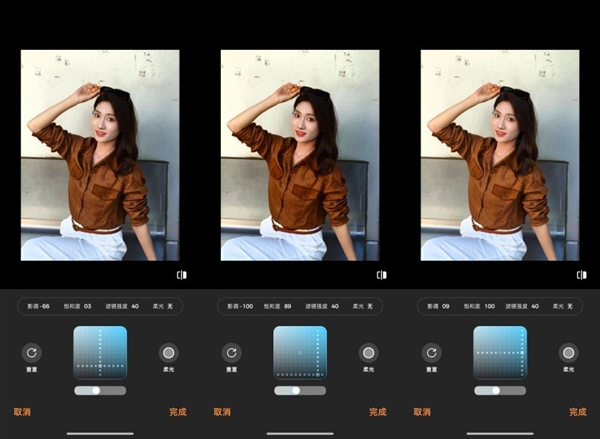
Meanwhile, the second-generation Danxia color reproduction lens, combined with LUMO color science, can perform color calibration for complex light sources. Especially in scenes such as shopping mall lighting, city night scenes, and indoor mixed lighting, color deviation often detracts from the visual appeal of a photo more easily than resolution, and the Find X10 handles this aspect more naturally.
This style is perfect for everyday documentation. Many photos don’t necessarily need to be very intense at first glance, but when you look at them again after some time in an album, the colors and lighting are closer to what you saw with your own eyes at the time, making it easier to capture the feeling of being there.
Ultra-wide-angle lenses can be used with confidence.
In triple-camera systems, the ultra-wide-angle lens is often relegated to a secondary role on the spec sheet. The OPPO Find X10 is equipped with a 50-megapixel ultra-wide-angle lens, and judging from the sample photos, it still maintains good image integrity in large scenes such as architecture and landscapes.

Even with a wider field of view, the building lines, trees, and glass curtain walls at the edges of the image still maintain relatively clear outlines, without any noticeable blurring at the edges. When traveling and encountering large buildings, landscapes, or interior spaces, simply switch to the ultra-wide-angle lens to capture the scene.
The main camera handles everyday shots, the telephoto lens handles distant views and portraits, and the ultra-wide-angle lens handles large scenes; the division of labor among the three lenses is very clear. From a practical usage perspective, this focal length coverage can already meet the shooting needs of the vast majority of users.
It also provides ample space for serious video shooting.
If you also shoot vlogs or short videos, the OPPO Find X10’s video capabilities offer some more professional features.
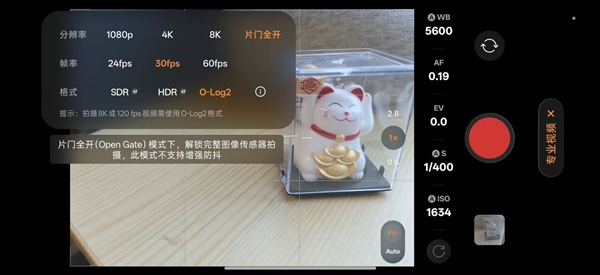
Its ultra-wide-angle, main, and telephoto lenses all support OpenGate, allowing for shooting with the full 4:3 aspect ratio of the sensor. Post-processing can be done by cropping to landscape or portrait mode, making the same footage compatible with more platforms.
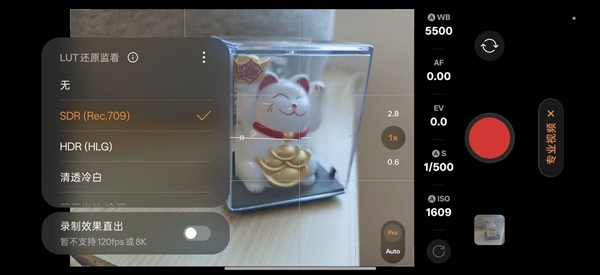
In addition, the Find X10 is natively compatible with Blackmagic Camera and supports O-Log2 and LUT previews. Regular users can directly use the system camera for everyday recording, while users who require post-production video editing also have the option to further adjust colors and image quality.
So, is the OPPO Find X10’s imaging capabilities sufficient?
If your main needs are travel, lifestyle documentation, portraits, pets, food, and occasional video shooting, the Find X10’s imaging system covers everything. The dual 200MP main camera and telephoto lens address the two most frequently used focal lengths, while the 50MP ultra-wide-angle lens fills in large scenes. In addition, with Hasselblad co-tuning and the LUMO color system, the success rate of everyday snapshots is very high.
More importantly, these capabilities are now directly available on the standard version. In the past, wanting a higher-spec telephoto lens and a more complete imaging experience often required increasing the budget to choose a Pro or even Ultra model. With the Find X10 bringing dual 200MP lenses to the standard version, the choice becomes much simpler for users who don’t have special needs like extreme telephoto.
If you prioritize imaging when buying a phone and want a relatively balanced device in terms of size, performance, battery life, and price, the OPPO Find X10 is an easy-to-understand product: its main camera is impressive, its telephoto lens is useful, and its ultra-wide-angle lens doesn’t fall behind significantly, covering most shooting scenarios.
For most people who just want to take a phone with them when they go out and record their lives anytime, this imaging configuration is more than enough.

Kazam is Focused on creating and reporting timely content in technology with a special focus on mobile phone technology. Kazam reports, analyzes, and reviews recent trends, news and rumors in mobile phone technology and provides the best possible insights to enhance your experience and knowledge.