Samsung abandons its self-developed solution for the Galaxy Z Flip8: forced to return to Qualcomm’s fold.

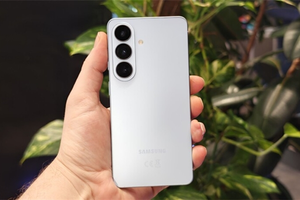
The Samsung Galaxy Z Flip 7, released in the second half of last year, is equipped entirely with Samsung’s own flagship chip, the Exynos 2500, without any Snapdragon version. It is one of the few Samsung flagship product lines in recent years to completely abandon Qualcomm solutions.
However, due to an unexpected surge in the cost of its flagship chip, the next-generation small foldable Galaxy Z Flip8, which will be launched in the second half of this year, has seen a dramatic reversal in its core chip selection.
According to tech media reports, in the past few months, Samsung’s LSI division, which is responsible for chip research and development and production, has repeatedly attempted to raise the selling price of the Exynos 2600, a move that has directly provoked strong dissatisfaction from the group’s mobile division, which is responsible for the mobile phone business.
The latter decided to significantly reduce the supply share of the Exynos 2600 chip in the Galaxy Z Flip8 series, and instead purchase the Snapdragon 8 Elite Gen5 chip from Qualcomm to fill the gap.
Related reports indicate that the cost per unit of the Exynos 2600 chip has soared from $220 in December 2025 to $270. In comparison, the current procurement cost per unit of the Qualcomm Snapdragon 8 Elite Gen5 chip is only $230, which is cheaper than Samsung’s own flagship chip.
This means that Samsung’s first self-developed 2nm mobile chip, the Exynos 2600, is priced 17% higher than Qualcomm’s competing products in the same category. More importantly, Qualcomm has also offered Samsung’s mobile division an additional large exclusive procurement discount, making the actual purchase price even lower.
As for the underlying reasons for the soaring purchase price of the Exynos 2600, the whistleblower offered an explanation: on the one hand, the current manufacturing cost of Samsung’s 2nm GAA process remains high, which has increased the average cost per chip.
On the other hand, Samsung LSI, the division responsible for the chip business, was too arrogant and refused to give any internal discounts to its sister division, the mobile business line, within the same group. Instead, it shipped directly at market prices or even higher prices, completely disregarding the collaborative interests within the group.
This outrageous internal pricing situation forced Samsung Mobile to drastically reduce the proportion of Exynos 2600 chips it used. Qualcomm also benefited effortlessly from this internal power struggle within the Samsung Group, securing orders that were originally almost entirely for Samsung’s self-developed chips.

Kazam is Focused on creating and reporting timely content in technology with a special focus on mobile phone technology. Kazam reports, analyzes, and reviews recent trends, news and rumors in mobile phone technology and provides the best possible insights to enhance your experience and knowledge.