Huawei Mate XT2 Design Leaked: U-shaped Triple Fold + Square Module
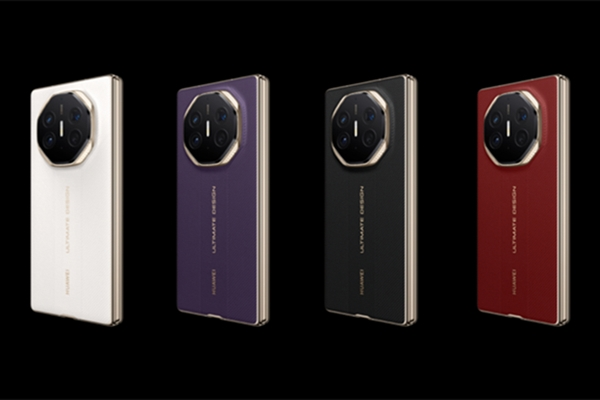
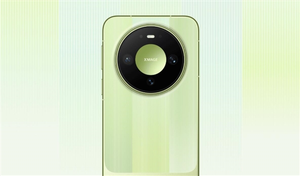
Fast Technology reported that blogger Dingjiao Digital revealed design information for Huawei’s new generation tri-fold Mate XT2. The blogger stated that the Mate XT2 will no longer use an octagonal lens module, but will return to a square camera module, which seems to pay homage to the classic flagship Mate 20 series.
According to Fast Technology, Huawei released the Mate 20 series in October 2018, and its iconic square four-point matrix camera module attracted widespread attention at the time. This design is not only highly recognizable, but also conforms to the symmetrical aesthetic concept in Chinese culture.
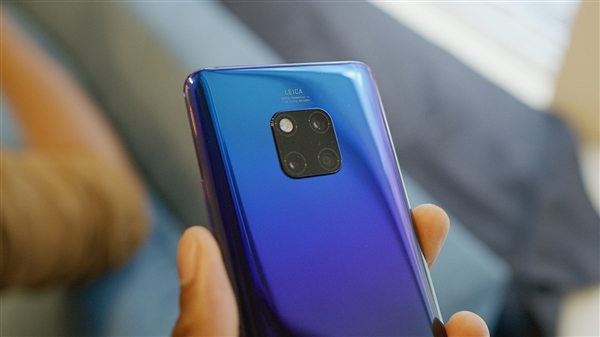
From a functional perspective, the square layout effectively reduces the viewing angle difference between multiple cameras, making it one of the optimal solutions for complex multi-camera systems at the time. Eight years later, the square lens module has returned to the Mate series phones, which seems to indicate that this design is poised to lead the industry trend once again.
In terms of folding design, the Huawei Mate XT2 completely abandons the S-shaped “folding” structure of its predecessor, and instead adopts an industry-first U-shaped triple-folding screen solution. The core of this design is that the two screens on the left and right sides of the device can fold inwards simultaneously, completely enclosing the main display screen inside the device.
When the device is closed during normal use, the flexible screen remains completely hidden within the body, eliminating the risk of exposure and effectively preventing damage from accidental contact. This design fundamentally solves the problem of the outer screen being easily scratched by hard objects due to long-term exposure, resulting in a significant improvement in drop resistance and scratch resistance.
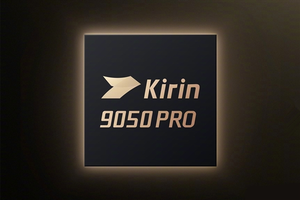
In terms of hardware configuration, the Huawei Mate XT2 will be the first to be equipped with a new generation of Kirin chip based on Moore’s Law. The core idea of this technology is to replace the “geometric scaling” relied upon by the traditional Moore’s Law with “time scaling,” achieving a significant leap in performance without relying on advanced lithography processes.
It is understood that the device will be officially released in September. As the release date approaches, more product details are expected to be revealed.


Kazam is Focused on creating and reporting timely content in technology with a special focus on mobile phone technology. Kazam reports, analyzes, and reviews recent trends, news and rumors in mobile phone technology and provides the best possible insights to enhance your experience and knowledge.