Huawei to launch the world’s first logic-foldable chip based on Tao’s theory on September 23.
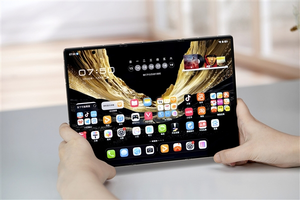
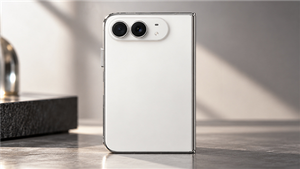
The Huawei Mate XT2 tri-fold flagship, which was widely speculated to be officially released on September 7, may be the first to be equipped with a Kirin processor based on the new Tao Law architecture. However, according to the latest supply chain news, this expectation is likely to be disappointed.
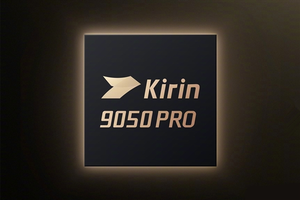
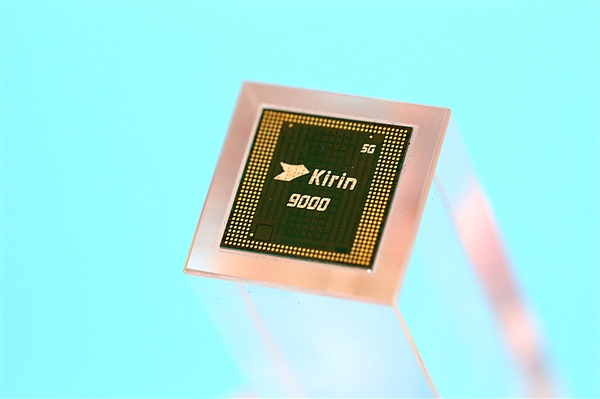
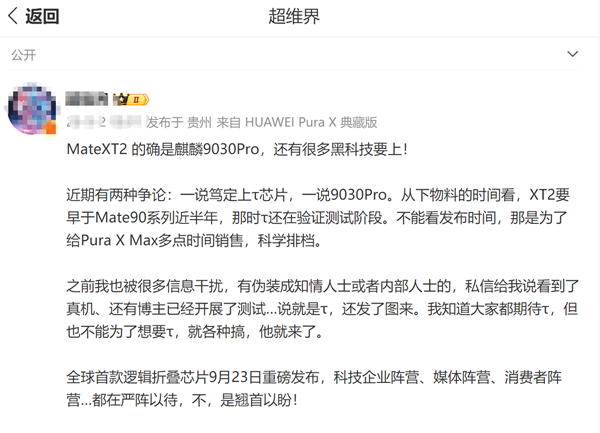
Today, a blogger revealed that the Mate XT2 is indeed equipped with the mature Kirin 9030 Pro chip. The order for components for this model was placed nearly half a year earlier than that for the Mate 90 series. At that time, the Tao Law architecture chip was still in the laboratory verification and testing stage, and it was impossible to achieve mass production and installation.
The blogger also explained the logic behind the new product launch schedule. The Mate XT2 launch event was deliberately delayed until now, not because of rushed hardware production, but because the company made a scientific product scheduling arrangement to allow sufficient market sales time for the previously launched Pura X Max large-screen product, and to avoid internal division of different high-end product lines.
If this leaked information is completely accurate, then it can be basically confirmed that Huawei’s world’s first logic folding architecture chip, developed based on the Tao Law, will be officially launched on the Mate 90 series at the September 23rd launch event.
Based on the leaked technical parameters, Huawei’s 2026 Kirin flagship chip, whose final official name has not yet been announced, has a transistor density that is 53.5% higher than that of mainstream chips with traditional 2D planar architecture design, reaching an industry-leading level of 238 MTr/mm².
The new chip boasts a 41% improvement in the energy efficiency of its super core and a 12.7% increase in peak operating frequency. Its overall performance completely matches or even surpasses that of flagship chips of the same level overseas in terms of energy efficiency, baseband, and other specific areas, making up for all the shortcomings of previous high-end flagship chips.
The decision not to rush the Tao Law architecture chip into the Mate XT2 was actually a prudent choice made by Huawei to ensure the stability of the product experience. By not pushing the technology that had not yet been successfully mass-produced to the market, but leaving a fully mature version for users, the debut of the Mate 90 series was made even more valuable. The official launch of this self-developed new chip will also become a landmark milestone for the domestic chip industry in breaking through the overseas computing power blockade.

Kazam is Focused on creating and reporting timely content in technology with a special focus on mobile phone technology. Kazam reports, analyzes, and reviews recent trends, news and rumors in mobile phone technology and provides the best possible insights to enhance your experience and knowledge.