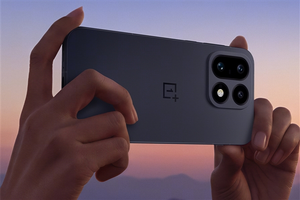
Tri-fold screens take a backseat! Samsung to mass-produce rollable screens: a global first.

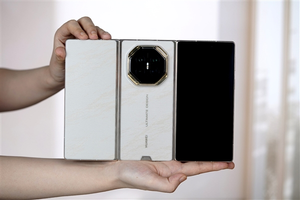
Samsung released its first triple-folding screen phone, the Galaxy Z TriFold, last December. However, it received a lukewarm response after its release and was discontinued in the South Korean market after only three months.
According to the latest leaks, Samsung will postpone the launch of the Galaxy Z TriFold 2 and focus on its rollable screen phone, which has been in development for many years, and launch it ahead of the original schedule.
In fact, there were already related developments not long ago. According to industry research reports released by local South Korean media and Omdia, Samsung’s complete mass production plan for its first commercially available rollable phone has been revealed. The model is named Galaxy Z Slide and is planned to be launched in 2028 at the same time as the Galaxy S28 series. It will be the world’s first mass-produced rollable screen phone.
The report states that the competition in the foldable screen market is fierce, with domestic manufacturers continuously squeezing Samsung’s flexible panel market share. Omdia data shows that Samsung’s foldable phone panel shipment share has declined from 41.8% at the end of 2025 to 27% in the first quarter of 2026, indicating that the growth potential of the traditional foldable screen market has peaked.
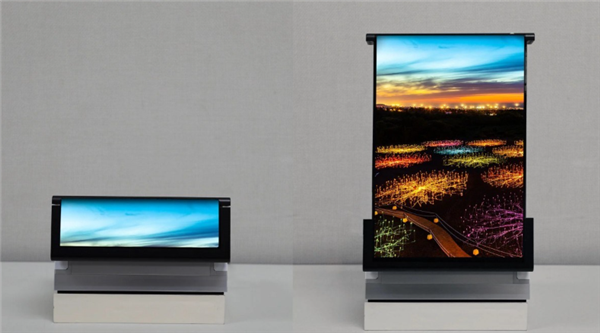
Samsung has chosen to focus on rollable screens to open up a new high-end market. Its core advantage lies in avoiding the screen crease problem that foldable screens cannot eliminate from the ground up. By relying on the built-in motorized retractable roller structure, the screen can be smoothly stretched outward from the size of a regular mobile phone to a tablet-level large screen, which greatly improves the experience of watching movies and working.
Compared to mature folding hinges, the mechanical transmission and flexible panel durability technology of rollable screens are more difficult to develop. Samsung has exhibited rollable concept prototypes at MWC many times over the years, and is currently in the production line transformation preparation phase.
From 2026 to 2027, flexible OLED production lines will be upgraded in batches to adapt to the continuous stretching production process of roll panels, paving the way for large-scale mass production in 2028.
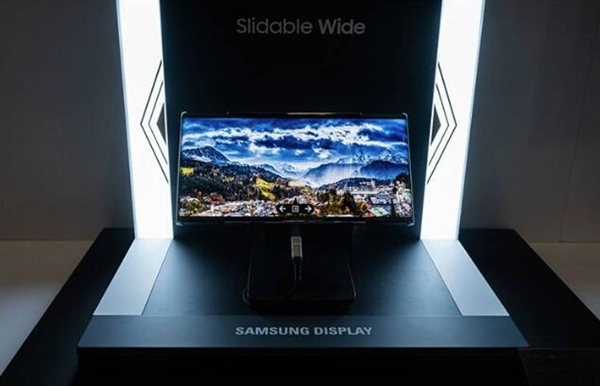
In terms of hardware specifications, the new machine is equipped with a 10-inch 16:9 aspect ratio rollable OLED panel with a pixel density of 440.6ppi. It is equipped with an adaptive tension motor system to ensure that the screen is completely flat and without any undulations when fully unfolded. The whole machine is positioned as a top-level business multimedia flagship, taking into account both the portability of the body and the productivity needs of the large screen.
At the industry level, only a few brands have released laboratory concept products so far, and no brand has yet achieved commercialization.
If Samsung completes its 2028 IPO plan as scheduled, it will gain a first-mover advantage in the rollable screen terminal market and lead the formulation of relevant hardware and display industry standards.
The report also mentioned Samsung’s long-term iteration strategy, with plans to launch a second-generation upgraded rollable model in 2030 to continue consolidating its technological dominance in the flexible display field.

Kazam is Focused on creating and reporting timely content in technology with a special focus on mobile phone technology. Kazam reports, analyzes, and reviews recent trends, news and rumors in mobile phone technology and provides the best possible insights to enhance your experience and knowledge.