Xiaomi’s September product launch event summary: All the key information is here.
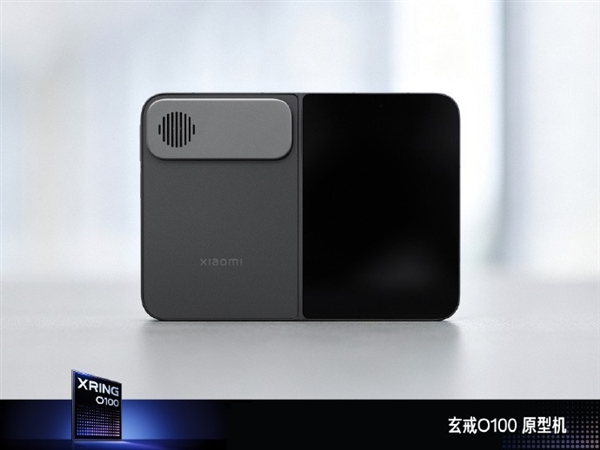
As we approach the end of August, Xiaomi’s new product lineup for September is gradually taking shape. This year’s schedule will likely be split into two waves: the Xiaomi 18 Fold and Xiaomi Mi Pad 9 Pro Max will debut first in September, followed by the Xiaomi 18 Pro and 18 Pro Max at the end of the month.
The previous wave revolved around the Xuanjie O3, while the next wave points to Qualcomm’s next-generation 2nm flagship platform. With updates to smartphones, tablets, self-developed chips, and Surge OS 4 all happening in quick succession, September will be Xiaomi’s most intensive window of opportunity for consumer electronics this year.
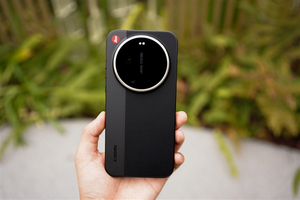
Xiaomi 18 Fold goes first, Xuanjie O3 welcomes its first mass-produced flagship.
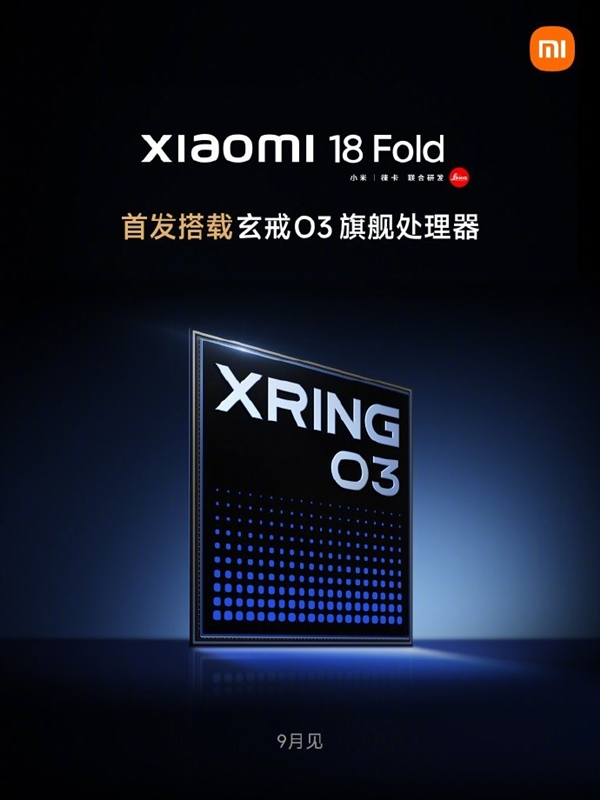
The most confirmed new product at present is the Xiaomi 18 Fold. At the Xiaomi Xuanjie chip technology communication conference on August 24, Xiaomi confirmed that this foldable flagship will be launched in September and will be the first to be equipped with the Xuanjie O3 chip.
Subsequently, Xiaomi confirmed that the Xuanjie O3 would be the first to support Changxin LPDDR6 memory, and the Xiaomi 18 Fold became the first terminal to use this combination of “self-developed SoC + domestic new generation memory”.
Compared to regular flagship phones, foldable screens have more complex requirements for performance, power consumption, imaging, dual-screen display, and overall device space. The fact that O3 is directly deployed in the 18 Fold also means that this chip will undergo more complete testing in high-end products.
The specific product form is still based on leaks. Current information points to a wide-screen internal display of about 7.6 inches, with a design that leans towards a smaller tablet look, while continuing to minimize the presence of the crease.
Regarding imaging, there are rumors of a 200-megapixel main camera, and the battery capacity is expected to be around 6000mAh, possibly supporting 67W wired and 50W wireless charging. Side-mounted fingerprint sensor and waterproofing have also been mentioned multiple times. If these specifications are ultimately finalized, the direction of the Xiaomi 18 Fold will be very clear: beyond its foldable form factor, it will simultaneously elevate performance, imaging, and battery life to flagship levels.
Also in the same wave were the Xiaomi Mi Pad 9 Pro Max and the Xuanjie O3, which began to expand its terminal coverage.
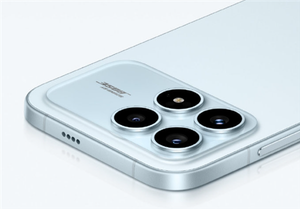
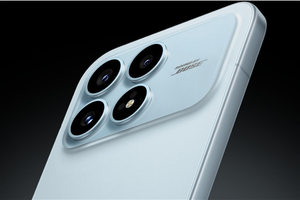
The second confirmed device in the Xuanjie O3 lineup is the Xiaomi Mi Pad 9 Pro Max. Xiaomi has announced that this product will be released in September and is positioned as a professional productivity tablet.
Recent leaks suggest that the new phone may feature a large 13-inch screen and offer a soft-light screen version. The engineering sample has a battery capacity of over 10,000mAh and comes with 120W charging. The high-capacity version may have 16GB of RAM and 1TB of storage, and weigh approximately 650g.
For tablet products, the large screen, multitasking, video editing, and on-device AI can make fuller use of the SoC’s continuous performance, which also makes the Xuanjie O3 no longer limited to a mobile phone.
The Xiaomi Mi 3 was officially unveiled on August 24th. It uses a 3nm process, features a deca-core CPU with all large cores, and is the first to support LPDDR6. It also features a redesigned NPU for the Xiaomi MiMo edge model.
Xiaomi announced an AnTuTu score exceeding 5.22 million. However, benchmark scores are just one part of the pre-launch hype. More noteworthy are the continued performance, energy efficiency, and application compatibility of the 18 Fold and Tablet 9 Pro Max after their release, as these will determine whether the second-generation Xuanjie SoC can truly establish a stable high-end product lineup.
At the end of September, it will be the turn of the Xiaomi 18 Pro series, with the next-generation 2nm Snapdragon flagship becoming the main focus.
The launch of the new flagship mobile platform will most likely be at the end of September. Qualcomm has announced that Snapdragon Summit 2026 will be held from September 22nd to 24th, at which time the release cycle of the next-generation flagship mobile platform will begin.
Multiple sources have suggested that the launch window for the Xiaomi 18 Pro series will be after the summit, with specific dates concentrated around September 28th and 29th. Currently, “Snapdragon 8 Elite Gen 6” is the commonly leaked name, but the final name still awaits official announcement from Qualcomm.
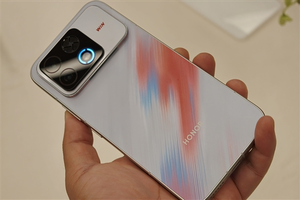
The Xiaomi 18 Pro and 18 Pro Max are expected to retain the Magic Screen rear display, and this design will likely be exclusive to the Pro models. The previous generation’s rear screen has evolved from a simple visual identifier to a tool for framing, information display, and personalized interaction. If the new generation continues this feature, the focus will be on further improvements in size utilization, power consumption, and software functionality.
Regarding the screen, leaks suggest an ultra-narrow four-sided bezel flat screen and a higher-spec display solution. The Pro version will continue the trend of small-sized flagship, while the Pro Max will accommodate a larger battery and imaging module.
The dual 200MP imaging system may be the most striking upgrade in the Xiaomi 18 Pro series.
Imaging is currently the most leaked aspect. The Xiaomi 18 Pro is said to be testing a 200MP ultra-large sensor main camera and a 200MP large sensor telephoto macro camera, with the telephoto lens expected to handle both mid-to-long-range portraits and close-up shots.
The Pro Max boasts even more aggressive specifications, with reports suggesting its main camera may feature a 200-megapixel sensor of approximately 1/1.28 inches, debuting the next-generation LOFIC high dynamic range technology; the telephoto lens will also be 200-megapixel, with a sensor size of approximately 1/1.56 inches and a focal length around 3x, while also enhancing close-up capabilities.
Battery capacity will continue to increase. Current estimates for the Xiaomi 18 Pro focus on a 7000mAh battery, while engineering samples of the Xiaomi 18 Pro Max have surfaced with capacities exceeding 8000mAh, even reaching approximately 8500mAh.
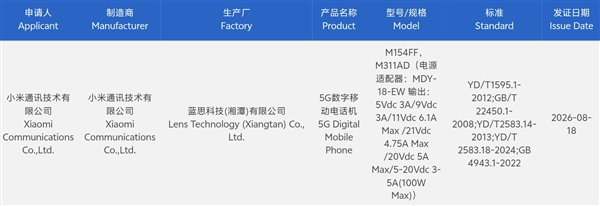
The new Xiaomi phone, which has already passed 3C certification, supports 100W fast charging and is rumored to support UWB ultra-wideband technology. While the final battery capacity may still be adjusted, high-density batteries, 100W wired charging, and wireless charging represent a clear upgrade direction for this generation of the Pro series.
The Xiaomi 18 standard edition may be delayed; the high-end segment will be fully stocked first in September.
Compared to the usual pattern of launching three models from the numbered series simultaneously, the standard version might be released later this year. In mid-August, there were reports suggesting the Xiaomi 18 standard version would be released in early 2027, but a more recent leak indicated a “tentative December” release. While the two dates aren’t entirely consistent, they both point to the same change: the Pro series will be launched first in September, with the standard version scheduled for a separate later release.
This scheduling will make the product lineup in September more focused. The 18 Fold and Tablet 9 Pro Max at the beginning of the month will take over from the Xuanjie O3, while the 18 Pro series at the end of the month will be the first to feature Qualcomm’s 2nm flagship platform. Each of these two hardware routes has a clear protagonist. Delaying the standard version also avoids internal price overlap during the Pro series’ initial launch phase and leaves a new product window for the year-end upgrade market.
The real highlight for Xiaomi in September is the simultaneous launch of two flagship platforms.
If the current leaks are true, Xiaomi will form a rare “dual-platform flagship” combination in September: the Xuanjie O3 will be used in the 18 Fold and Tablet 9 Pro Max, while the Qualcomm 2nm flagship platform will be used in the 18 Pro series.
The former is responsible for the large-scale verification of self-developed SoCs, while the latter continues to maintain the competitiveness of digital flagships in terms of performance, imaging, and market timing. Surge OS 4 and Super AI 2.0 based on Xiaomi MiMo will connect the AI capabilities of mobile phones, tablets, and ecosystem devices.
Therefore, the focus of this September’s new product cycle is no longer just on the specifications of one or two phones. Whether the 18 Fold can deliver a stable experience with its wide folding design, whether the Mi 18 Pro can stand out on both phones and tablets, whether the dual 200MP cameras and large battery of the Mi 18 Pro series will be implemented, and when the standard version will ultimately be delayed, will all directly impact Xiaomi’s high-end product strategy for the coming year.
As September approaches, the suspense left for the press conference to reveal is becoming increasingly concentrated.

Kazam is Focused on creating and reporting timely content in technology with a special focus on mobile phone technology. Kazam reports, analyzes, and reviews recent trends, news and rumors in mobile phone technology and provides the best possible insights to enhance your experience and knowledge.